Concreters Beaconsfield for Driveways, Slabs and Sloping Blocks
Beaconsfield is an older settlement in postcode 3807, about 44 kilometres south-east of the Melbourne CBD, where the Old Princes Highway runs through a village that grew from a coaching inn on the road to Gippsland. Around 7,300 people now live across a mix of settled village streets, newer estates and acreage that climbs toward the hills to the north. Most concrete work here is renewal: worn driveways replaced, cracked paths repaired, tired slabs resurfaced and exposed aggregate laid at the front of the house, along with shed, garage and alfresco slabs on the larger blocks. Sloping ground and reactive clay shape the base, the falls and the joints on almost every job. Call 0485 032 128 for a free on-site quote.
GET A FREE QUOTE
OUR STORY
Concreters Beaconsfield: Driveway and Path Replacement for Established Homes
Concreters in Beaconsfield spend much of their time on homes that already have concrete, and plenty of it has done its years. Driveways poured when a house was first built have cracked across the middle, dropped at the garage door or lifted where a tree root has pushed underneath, and side paths have pulled away from the walls. In the older village streets some of that concrete is decades old, while houses from the subdivision of the 2000s and 2010s are now reaching the age where the first problems show. The work is less about adding new slabs to bare ground and more about taking out what has failed and building something that lasts on the same block. Every replacement starts with the question of why the old concrete failed, because the answer decides the base, the thickness and the joints that go back in.
Removing an ageing driveway down to sound ground
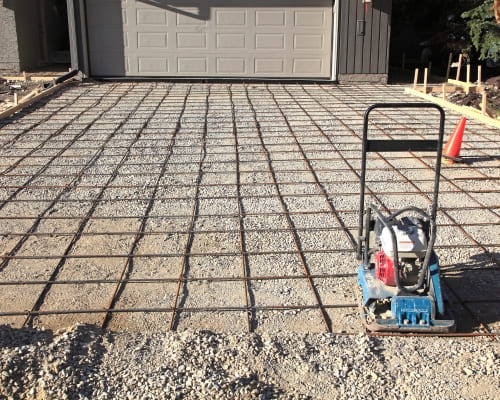
A replacement driveway begins with saw cutting the old slab into manageable sections, breaking it out and carting it away for recycling. What lies underneath tells the story: a thin or missing crushed rock base, soft clay that has stayed wet against the garage, or fill that was never compacted. Soft material is dug out until firm ground is reached, then a compacted crushed rock base goes back in at an even depth. A standard car driveway is usually poured around 100 millimetres thick on SL72 or SL82 mesh, stepping up to about 125 millimetres where a caravan, boat or delivery truck will use it. Control joints are cut at regular spacing so that shrinkage cracks follow straight lines. The concrete driveways page covers layouts, widths and finishes in more detail.
Crack repairs and sunken panels on older concrete
Not every tired driveway or path needs to come out in full. Fine shrinkage cracks can be cleaned out and filled with a flexible sealant so that water stops reaching the base beneath them, which is how small cracks turn into wide ones. A single panel that has sunk or tilted, often beside a downpipe or a garden bed, can be saw cut along its joints, lifted out and relaid on a fresh compacted base, leaving the sound panels around it in place. Trip edges on paths can be ground back or the affected section replaced. The aim is to fix the cause as well as the symptom, so drainage around the repaired area is checked at the same time. Options for patching, lifting and partial replacement are set out on the concrete repairs page.
Long driveways on acreage and farmlet blocks
On the acreage and farmlet properties in Beaconsfield, the house can sit well back from the road, with a shed or second garage further in again. A long driveway on that kind of block is poured in bays, with joints placed at set intervals and at every change of direction, and the edges thickened where heavier vehicles will track. Some owners choose to concrete the steeper or most used part near the house and the shed apron, and keep a compacted gravel run toward the gate, extending the concrete later. On a rising block, the driveway is set out to follow the ground as closely as practical, so that cut and fill are kept to a minimum and runoff is taken off the surface at intervals rather than all at the bottom.
Crossovers and council permits
Where a driveway meets the street, the crossover sits in the road reserve rather than on private land, so it is built to the council's own standard and normally needs a permit before work starts. Most of Beaconsfield falls within Cardinia Shire, while part of the suburb sits within the City of Casey, so the right council is confirmed for each address at the quoting stage. A replaced crossover is usually thicker than the driveway behind it, is laid to the kerb profile, and is tied in so that the join with the new driveway does not crack or lip. On rural roads without kerbs, the crossover over the table drain needs a culvert or pipe sized to keep water moving along the roadside.
SERVICES WE OFFER IN Beaconsfield
Exposed Aggregate Beaconsfield Driveways, Entries and Front Paths
Exposed aggregate in Beaconsfield is the finish most often chosen when a front driveway, entry path or porch is being replaced. The stones in the surface give a textured, hard-wearing finish that suits brick and weatherboard homes alike, hides tyre marks and leaf stains well, and gives better grip than a smooth trowelled surface on a driveway with any slope. A decorative stone blend is mixed through the concrete, and once the surface starts to set, the top layer of cement paste is washed away to reveal the stones. Beneath the finish, the slab still needs the same compacted base, mesh, thickness and joints as plain concrete, because a decorative surface lasts no longer than the slab under it. Mix designs, stone sizes and finishing steps are explained on the exposed aggregate concrete page.
Picking a stone blend for leafy streets
Many Beaconsfield streets are lined with established trees, and that changes which blend works best. Leaves, blossom and bark fall on driveways for much of the year, and a mid-toned blend of browns, greys and creams hides that debris and the staining it can leave far better than a very pale mix. Darker charcoal blends look sharp against modern rendered homes but hold more heat in summer, which matters on a path that people walk barefoot. The best way to choose is to hold sample boards against the house, the roof, the fence and the garden on site, in daylight, rather than from a brochure. Stone size matters too: a finer stone gives a smoother walking surface for entries and paths, while a coarser stone gives a bolder look and more grip on the driveway.
Aggregate on a sloping driveway: grip and runoff
Plenty of Beaconsfield driveways climb or fall from the street, and exposed aggregate is well suited to them because the stones give tyres and shoes something to bite on in the wet. On a steeper run, a coarser stone and a slightly deeper wash improve that grip further. Water management matters as much as the finish: on a long slope, rain picks up speed on the way down, so falls are set across the driveway and a grated drain is placed at the bottom, or across the driveway before the garage, so water does not run into the house. Joints are planned so they also help shed water. Where the driveway meets a path or step, the levels are set before the pour so the two finished surfaces meet cleanly without a lip to trip on.
Sealing exposed aggregate after the pour
Once the new aggregate surface has cured, a penetrating or film-forming sealer is usually applied. Sealing deepens the colour of the stones, makes leaves, oil and tyre marks easier to clean off, and slows the moisture that can loosen stones over time. On a sloping driveway, a non-slip additive can be mixed into a film-forming sealer so the surface does not become slick in the wet. A sealed aggregate driveway generally needs a fresh coat every few years, depending on how much traffic and shade it gets. Shaded driveways under big trees can also grow moss if left unsealed. Sealer choice depends on whether a natural or wet look is wanted.
Why choose us in Beaconsfield
Concrete Resurfacing Beaconsfield: New Life for Sound but Tired Slabs
Concrete resurfacing in Beaconsfield suits driveways, paths and patios that are structurally sound but look worn: faded, stained by oil or rust, pitted where the top layer has weathered, or simply dated. Instead of breaking out a slab that still does its job, a thin polymer-modified overlay is bonded to the existing surface and finished in a new texture and colour. It is quicker than a full replacement, creates far less waste and noise, and avoids disturbing garden beds and fences along the edges, which matters on established blocks with mature planting. The catch is that an overlay copies the condition of the slab beneath it, so the assessment before any work is what decides whether resurfacing is the right choice. More on the process sits on the concrete resurfacing page.
Testing whether a slab can carry an overlay
Before any quote for resurfacing, the existing concrete is checked closely. A hammer or steel rod dragged across the surface reveals hollow-sounding areas where the top has separated. Cracks are measured and checked for movement, because a crack that is still opening will come back through any overlay. Panels are checked for rocking or settlement, and edges for crumbling. Oil and sealer residues are noted, since they stop an overlay bonding and must be removed. If the slab passes, the surface is mechanically ground or pressure cleaned, cracks are repaired, and a bonding primer goes down before the overlay. If it fails in one area only, that section can be replaced first and the whole surface resurfaced to match afterwards.
Spray-on, stencil and smooth resurfacing finishes
Several finishes are available once the slab is prepared. A spray-on texture coat gives a lightly textured, slip-resistant finish that suits driveways and pool surrounds. Stencilled patterns, such as brick, tile or stone layouts, are created by laying a paper stencil before the overlay is sprayed, then lifting it to reveal the grout lines. A smooth trowelled overlay gives a cleaner, modern look for covered patios and entries where grip is less of a concern. Colours are chosen to suit the house and garden, and a border band in a contrasting colour can frame a driveway or path. Each finish is sealed once cured, which protects the colour and makes cleaning easier, and resealing every few years keeps it looking fresh.
When replacement beats resurfacing
Resurfacing is not the answer for every tired slab, and an honest assessment says so. If a driveway has dropped more than a small amount, if panels rock underfoot, if cracks run wide and keep opening, or if rusty stains show the steel mesh is corroding, the problem sits below the surface and an overlay would only hide it for a short time. The same applies where a driveway was poured too thin for the vehicles now using it, or where the falls send water toward the house. In those cases, removing the failed concrete and rebuilding the base gives a longer life for the money spent. Sometimes the answer is mixed: one failed section is replaced and the rest of the driveway is resurfaced so the finished surface looks uniform.
SERVICES WE OFFER IN Beaconsfield
Concrete Beaconsfield: Rising Ground, Reactive Clay and Drainage
Concrete in Beaconsfield is shaped by ground that changes from one block to the next. The village sits at around 100 metres above sea level, and the land climbs north toward Guys Hill and Upper Beaconsfield, which sits higher again at over 150 metres. The early settlers found the foothills suited to apple and lemon orchards, and much of that sloping country has since been subdivided for homes and farmlets. Reactive clay is common through the area, though the exact soil class varies and needs checking on each site. Together, slope and clay decide how a slab is founded, how water is taken away from it, and how much earthworks a job needs. Getting these things right at the start costs far less than repairing a slab that has moved.
How reactive clay moves a slab, and the AS 2870 site class
Reactive clay swells when it takes up water through a wet winter and shrinks as it dries out in a hot summer. A slab sitting on that clay is pushed and pulled as the ground moves, which shows up as cracks, lifted edges and doors that start to stick. The Australian Standard for residential slabs and footings, AS 2870, classifies sites from stable sand through to highly and extremely reactive clay, and the class sets how deep and stiff a footing or slab needs to be. For a house extension or a large garage slab, the site class comes from a soil test and the engineer's design. For driveways and paths, the same knowledge guides base depth, mesh, joint spacing and, above all, keeping water from soaking the clay beside the slab.
Cut-and-fill on blocks that rise toward the hills
On a sloping block, a level pad for a shed, garage or alfresco slab is usually made by cutting into the high side and placing that soil on the low side. The cut side sits on natural ground, but the fill side only performs if it is placed in thin layers and compacted properly, otherwise it settles and the slab cracks along the line where cut meets fill. On many jobs, the safer option is to deepen the footings on the fill side so they bear on natural ground, or to step the slab to follow the slope. Excavated soil is kept separate from topsoil so the garden can be restored afterwards, and the finished pad is checked for level before any formwork goes up.
Falls, spoon drains and stormwater on a slope
Water is the biggest enemy of concrete on sloping clay. Rain running off the street, the roof and the block above has to be caught and carried away before it soaks into the ground beside a slab. Every slab is laid with a fall so water runs off rather than ponding, and on long or steep driveways a spoon drain, a shallow dish formed into the concrete, steers water along the slab to a pit. Grated drains across the driveway catch water before it reaches the garage. Downpipes are connected to the stormwater system rather than left discharging onto the ground beside paths. On the high side of a cut, an agricultural drain behind the slab edge intercepts water seeping out of the bank.
Retaining edges where a driveway cuts into the ground
When a driveway or shed pad is cut into a rising block, the exposed bank on the high side needs holding back. For a low step, a thickened concrete edge or a short concrete sleeper wall is often enough, finished neatly so it doubles as a garden edge. Higher cuts call for an engineered wall with footings, drainage behind it and, above a certain height, a building permit. Building the retaining as part of the same job lets the drainage behind the wall connect to the drains planned for the driveway, so the whole slope is handled as one system. Wall types, heights and permit thresholds are covered on the concrete retaining walls page.
Why choose us in Beaconsfield
Concreting Beaconsfield Properties: Shed, Garage and Alfresco Slabs
Concreting Beaconsfield properties goes well beyond the front driveway. Larger blocks, and the farmlets further out, leave room for a detached garage, a workshop or a machinery shed, while homes on standard lots often want a covered outdoor area or a pad for a garden shed or water tank. Each of these is a slab with its own job to do, and the design changes with the load it will carry and the ground it sits on. A shed slab that holds a car hoist or a tractor needs more thickness and steel than a slab for a garden shed, and a slab joined to the house needs care where old meets new. Thickness, steel and edge beams are set by the job, not by habit.
Alfresco slabs that tie into the house
An alfresco or patio slab usually sits against the back of the house, under a pergola or a roofed extension, so its level and fall are set carefully against the existing floor. The finished surface is kept below the internal floor and the weep holes, and falls away from the house so rain blown under the roof drains out to the garden. Where the slab meets the house, an isolation joint lets the two move separately, which matters on reactive clay where the house footings and the new slab will not move together. Posts for a pergola or roof may need their own footings, set to the engineer's design. Finishes range from broom and exposed aggregate to honed or a smooth trowelled surface for a covered area.
Shed and garage slabs on larger blocks
Shed and garage slabs on Beaconsfield's larger blocks are usually sized by the shed supplier's plans and the building permit, which set the slab dimensions, thickness and edge beams, and the positions of hold-down bolts for the frame. A common shed slab is around 100 millimetres thick with mesh and thickened edges, increasing to 125 millimetres or more for heavy machinery, a car hoist or a truck. On sloping ground, the pad is formed by cut-and-fill or stepped, with deeper edges on the fill side. A concrete apron in front of the roller doors keeps mud out and gives a firm turning area. A slight fall toward the doors lets any water that gets in drain out rather than pooling against stored gear.
SERVICES WE OFFER IN Beaconsfield
Why Beaconsfield Owners Choose Local Concreters Near You
Beaconsfield owners usually want three things from a concreter: someone who looks at the actual block before naming a price, a clear plan for the slope and the clay, and a finish that suits a home they intend to stay in. Peak Concreting works across Beaconsfield from a base in Cranbourne, so a site visit is a short drive rather than a special trip, and follow-up visits during a job are easy to fit in. Every quote is written for the specific site, listing the work to be done, the thicknesses, the base, the steel and the finish, so owners can compare it line by line. The crew handles the whole job, from removal of old concrete to the final clean-up, and keeps neighbours and the street tidy along the way.
A site visit before any price
No two Beaconsfield blocks are quite the same, so no price is given over the phone without seeing the site. On the visit, the area is measured, the fall of the ground is checked, access for a concrete truck or pump is assessed, and any existing concrete is inspected for the cause of its failure. Trees close to the work are noted, as are downpipes, pits and services. The owner's plans for the space are discussed: how the driveway will be used, whether a caravan or trailer needs access, and which finish suits the house. From that visit, a written quote sets out exactly what is included, so there are no surprises on the day of the pour.
What moves the price on a Beaconsfield job
Several things decide what a job costs, and most of them can be seen on the site visit. Removal of old concrete adds cost compared with pouring onto bare ground, and thicker or heavily reinforced slabs cost more than thin ones. Slope adds earthworks, formwork and drainage. Access matters: a driveway the truck can back onto is cheaper to pour than a back-yard slab that needs a concrete pump or barrows. The finish makes a difference too, with a plain broom finish the most economical, exposed aggregate in the middle, and stencilled or decorative resurfacing toward the higher end. Bigger areas generally cost less per square metre than small ones, since setup costs are spread across more concrete.
Why choose us in Beaconsfield
Beaconsfield Streets, Estates and Pockets Covered
Beaconsfield sits immediately east of Berwick, with Officer further east along the highway, and the Old Princes Highway runs through its centre. The suburb takes its name from Benjamin Disraeli, Lord Beaconsfield, and grew around Bowman's Inn, a stop on the old road to Gippsland. Its population grew from about 4,200 in 2006 to more than 7,200 in 2021, as farmland was subdivided for housing and farmlets. That history leaves a varied mix of properties in a small area: village houses on established streets, larger homes in hillside estates, brand new small lots, and acreage running up into the hills. Each pocket brings its own kind of concrete work.
The village along the Old Princes Highway and Woods Street
The heart of Beaconsfield is the village along the Old Princes Highway, where the war memorial unveiled in 1920 stands at the corner of Woods Street, with the CFA station further along Woods Street. The houses in the streets around the village are among the oldest in the suburb, and their concrete often shows it: narrow single driveways, cracked paths and front porches that have settled over the years. Work here is mostly replacement and repair, widening driveways for a second car, laying new paths, and resurfacing sound slabs that have simply aged. Many blocks are deep with good rear access, which suits new garages and back-yard sheds.
Panorama Estate and the streets off Portchester Boulevard
Panorama Estate, with streets running off Portchester Boulevard, has larger family homes on blocks of around 800 square metres, close to the freeway and to local schools. The original driveways and paths in these streets were typically poured when each house was built, and many owners now want an upgrade: exposed aggregate driveways in place of plain concrete, wider side access to a back yard for a trailer, or a larger alfresco area to match a new pergola or deck. Where the block slopes, the upgrade is a good time to correct falls that send water toward the garage, and to add grated drains that were left out first time round.
Geranium Estate and the smaller new lots on Rix Road
Geranium Estate, a newer land release fronting Rix Road, has smaller lots of roughly 240 to 590 square metres, released in stages with the first titles registered in 2026. New homes on lots this size need compact, carefully planned concrete: a driveway and crossover that fit tight frontages, side paths that keep below the weep holes, and a small alfresco or clothesline area at the back. On new estate ground, the slab base needs proper compaction, since fill placed during subdivision can settle. Owners building here often book the driveway and paths once the house is handed over, and checking the council crossover standard early avoids delays.
Acreage on O'Neil Road and Payne Road
Beyond the estates, Beaconsfield still has acreage. On O'Neil Road, properties of around six acres sit in undulating bushland with substantial sheds, while larger holdings near Payne Road run to around 20 acres with waterways crossing the land. Concrete work on these properties means long driveways that follow the ground, crossovers over table drains, machinery and storage shed slabs, and aprons in front of shed doors. Undulating ground calls for careful set-out so driveways are not too steep at any point, while land near waterways calls for drainage planning and keeping slabs well above wet ground.
Hillside blocks on the northern side toward Guys Hill
North of the village, Beaconsfield climbs toward Guys Hill, with Beaconsfield-Emerald Road leading up out of the township into the hills. This side of the suburb has larger, sloping blocks with established gardens and bush, part of the rising ground that early settlers planted with orchards, and many homes sit well above or below the road. Driveways here often climb or drop steeply from the street, so a coarser exposed aggregate or broom finish, grooves on the steepest runs and drainage at intervals all matter more than on the flat. Shed, garage and alfresco pads usually need cut-and-fill, stepped slabs or a retaining edge on the high side, and access for a concrete truck is checked early, since a steep site can call for a pump. Further up the hill, Upper Beaconsfield is a separate locality in postcode 3808, and hills properties there are quoted the same way, with a site visit first, since slope and soil change from block to block.
concreting Services we offer In Beaconsfield
Concrete Driveways
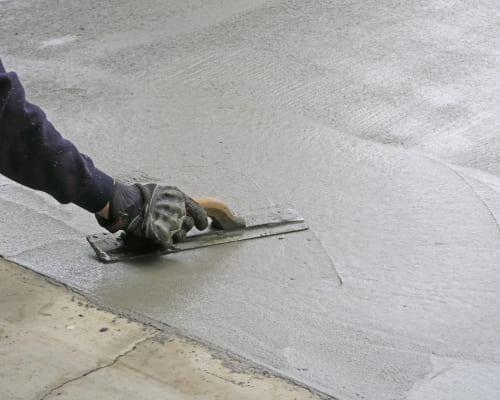
A concrete driveway is usually the largest single area of concrete on a property, and around Cranbourne it has to sit on some of the most varied ground in Melbourne: loose sand on the Cranbourne sand belt, reactive clay and engineered fill across the newer estates, and soft, wet ground toward Koo Wee Rup. Whether a driveway stays flat and crack-free for decades depends far more on what goes under it than on the finish on top. Peak Concreting Cranbourne builds new and replacement concrete driveways, second driveways, extensions, long rural driveways and vehicle crossovers across the City of Casey and Cardinia Shire, with a compacted crushed rock base, steel mesh, properly placed control joints and falls that send water away from the house and garage. Every quote starts with a look at the site, the levels and the drainage, and comes back in writing with the specification spelled out. Call 0485 032 128 for a free on-site measure and a written driveway quote.
Concrete Slabs & Footings
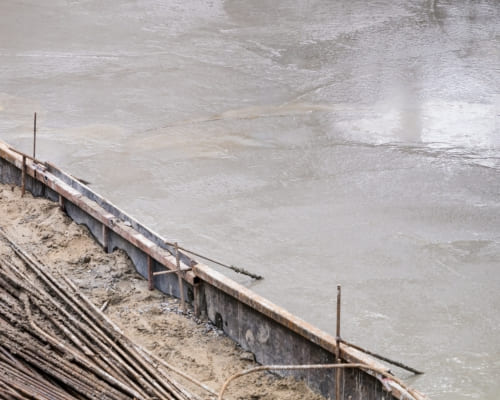
A concrete slab is the base that a home, extension, granny flat, garage, shed or alfresco area sits on, and the footings beneath it carry that load into the ground. Around Cranbourne the ground changes from block to block: loose sand on the Cranbourne sand belt, reactive clay and engineered fill across the newer estates in Clyde, Clyde North and Officer, and soft, peaty ground toward Koo Wee Rup. Concrete slabs and footings for houses and extensions are built to the engineer's AS 2870 design for the site class, with the base compacted, the vapour barrier lapped and taped, the steel chaired at the right cover and the edge beams dug to the drawings before any concrete is ordered. Shed, garage and alfresco slabs follow the same discipline at a smaller scale. Peak Concreting Cranbourne pours slabs and footings across the City of Casey and Cardinia Shire, priced per square metre from the plans. Call 0485 032 128 for a free site visit and a written concrete slab quote.
Exposed Aggregate Concrete
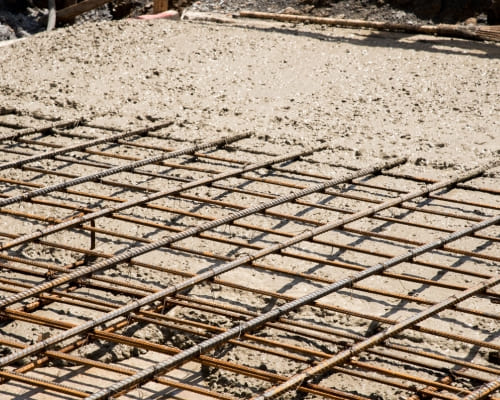
Exposed aggregate is the washed stone finish seen on driveways, paths and alfresco areas right across the new estates and older streets of Cranbourne. Instead of a smooth grey surface, the top layer of cement paste is washed away so the natural stone in the concrete shows through, giving a textured, slip-resistant surface that hides dust, tyre marks and minor wear far better than plain concrete. Peak Concreting Cranbourne pours exposed aggregate driveways, crossovers, paths, side access, entertaining areas and pool surrounds across the City of Casey and Cardinia Shire, on a compacted base with steel mesh and properly placed joints, and finishes every job with a sealer suited to hot, dry summers and cool, wet winters. Stone colour and size are chosen from samples before the pour, and every quote comes back in writing with the mix, the stone and the sealer named. Call 0485 032 128 for a free on-site measure and a written exposed aggregate quote.
Concrete Paths & Footpaths
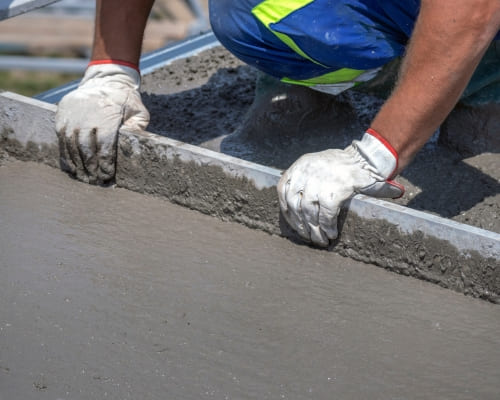
A concrete path gives safe, mud-free access around a property: down the side of the house, through the garden, out to the shed and clothesline, and from the driveway to the front door. Around Cranbourne the work splits between new paths on the growth estates, where the ground is often reactive clay or engineered fill, and replacement paths at older homes where the original path has cracked, sunk or lifted. A path that lasts depends on what sits under it: a dug-out and compacted base, the right thickness and steel, a fall that carries water away from the house, and joints that control where it cracks. Peak Concreting Cranbourne lays garden paths, side paths, entry paths and footpaths across the City of Casey and Cardinia Shire, and the written quote sets out the width, thickness and finish. Call 0485 032 128 for a free on-site quote on concrete paths.
Concrete Kerbs & Edging
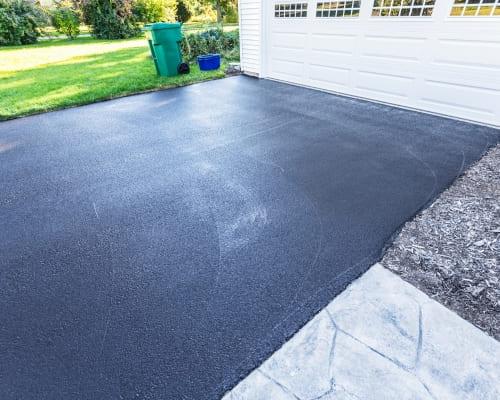
Concrete kerbing gives a garden, driveway or car park a firm, permanent edge that holds its line for decades. In Cranbourne it is most often laid as continuous garden edging and flush mowing strips around lawns and beds, as edge kerbs along driveways and paths, and as barrier, semi-mountable and layback kerbs on car parks, commercial sites and private roads. Peak Concreting Cranbourne sets out every run on site, prepares and compacts the base to suit the ground, whether that is the Cranbourne sand belt, reactive clay or estate fill, and then slip-forms the kerb in one continuous line or hand-forms it where curves are tight. Joints are cut so any cracking stays straight and hidden, and the back of the kerb is haunched or backfilled so it cannot roll or creep. Work covers homes, townhouse developments and commercial sites across the City of Casey and Cardinia Shire, priced per lineal metre. Call 0485 032 128 for a free on-site measure and a written concrete kerbing quote.
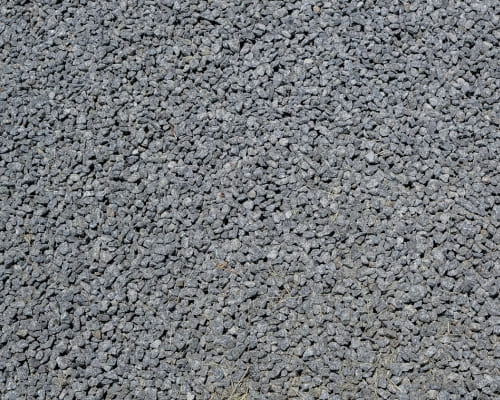
Concrete Repairs
Concrete repairs fix cracked, spalling, sunken and lifted concrete before it turns into a trip hazard or a full replacement. Around Cranbourne the damage usually traces back to the ground under the slab: loose sand on the Cranbourne sand belt that was never properly compacted, reactive clay and engineered fill in the newer estates that swell and shrink with the seasons, or water and tree roots working underneath. A lasting repair starts by finding that cause. Peak Concreting Cranbourne repairs driveways, garage and shed slabs, paths, patios and crossovers, from crack repair and joint sealing to trip-hazard grinding, patching spalled surfaces and breaking out failed sections for replacement. Every job begins with an on-site assessment and a straight answer on whether the concrete is worth repairing or is due for replacement. Call 0485 032 128 for a free on-site assessment and a written quote.
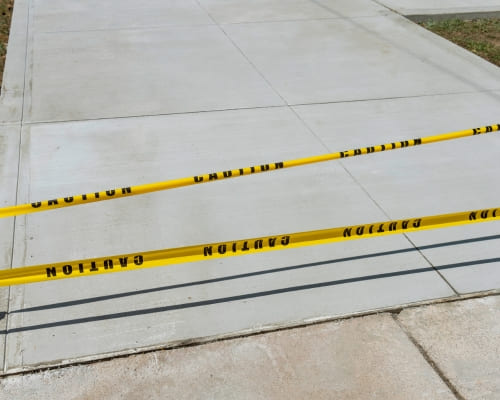
Concrete Retaining Walls
Concrete retaining walls turn sloping and stepped blocks into level, usable ground, hold back garden beds and terraces, and keep soil off driveways, paths and fences. Around Cranbourne the common systems are concrete sleepers between galvanised steel posts, precast panels, core-filled block and poured reinforced walls, each built on proper footings with ag pipe, drainage gravel and compacted backfill behind it. The ground varies from the sandy Cranbourne sand belt to reactive clay and engineered fill in the newer estates, and the footing and drainage are set to suit. Peak Concreting Cranbourne checks the levels, the soil and whether a building permit or engineering is likely before quoting, and the written quote lists the wall system, footings, drainage and soil removal. Call 0485 032 128 for a free on-site assessment and a written quote.
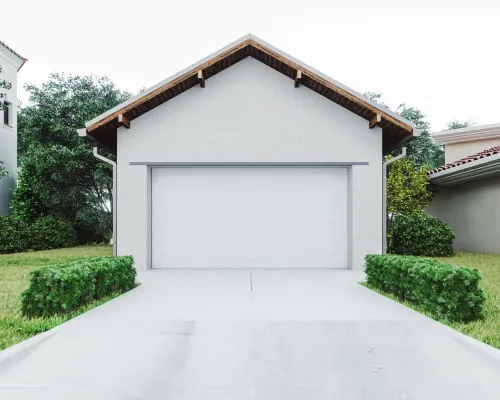
Polished Concrete
Polished concrete floors are hard-wearing, easy to clean and suit the open-plan homes being built right across Cranbourne and the growth estates around it. The surface of the slab is ground back with diamond tooling, hardened with a densifier, then sealed and burnished to a matt, satin or high gloss sheen, so the floor itself becomes the finished surface rather than something to cover with tiles or timber. Peak Concreting Cranbourne polishes new house slabs, existing floors in renovations, garages, workshops, shops and offices across the City of Casey and Cardinia Shire, offering both mechanically polished concrete and a lower-cost grind and seal. Each floor is checked for cracks, moisture and stone depth before quoting, finish samples are agreed in advance, and the quote comes back in writing with the exposure level, sheen and sealer named. Call 0485 032 128 for a free on-site measure and a written polished concrete quote.
Concrete Sealing
Concrete sealing puts a protective treatment into or onto a slab so it resists water, oil, stains and weathering, and so a decorative finish keeps its colour. Around Cranbourne the work splits two ways: first seals on new driveways, paths and alfresco slabs across the growth estates, and resealing on older exposed aggregate, coloured and plain driveways whose original coat has worn away. The right product depends on the surface. A penetrating silane or siloxane sealer soaks in and leaves no film, a topical acrylic or polyurethane sealer sits on top and deepens the colour, and a tinted sealer brings back faded concrete. Peak Concreting Cranbourne cleans, prepares and seals concrete across the City of Casey and Cardinia Shire, and the written quote names the sealer, the number of coats and any stripping needed. Call 0485 032 128 for a free on-site quote on concrete sealing.
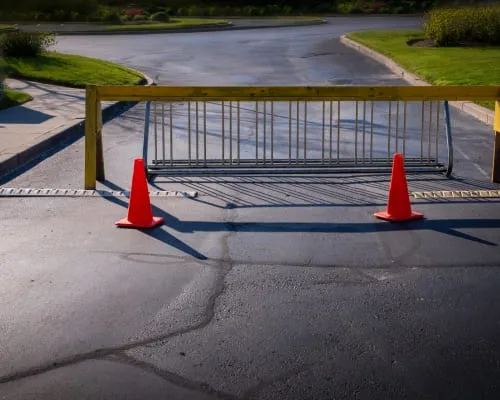
Concrete Resurfacing
Concrete resurfacing gives a sound but tired slab a new wearing surface without breaking it out. A polymer-modified cementitious overlay is bonded to the existing concrete, finished as a spray-on texture, a stencilled pattern or a smooth microtopping, and then sealed. Around Cranbourne most of this work is on driveways, paths and patios poured twenty or more years ago, where the slab is still level but the top has weathered, stained or worn through. Peak Concreting Cranbourne checks the slab before quoting, because an overlay only lasts as long as the concrete beneath it: a slab that has heaved, sunk or keeps cracking is quoted for repair or replacement instead. Where resurfacing is the right call, it is quicker, quieter and usually cheaper than a full repour, and the surface is back in use within days. Call 0485 032 128 for a free on-site assessment and a written quote.
Coloured Concrete
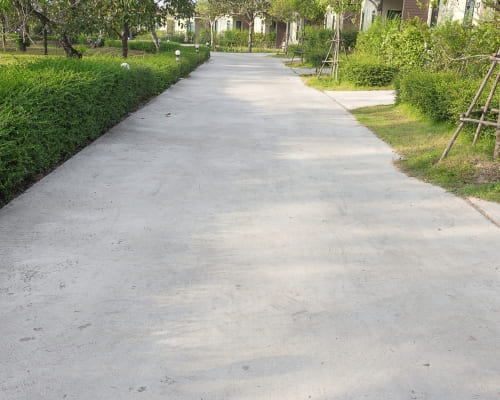
Coloured concrete gives a driveway, path or alfresco area a finished look that ties in with the roof, render and brickwork of the house, instead of the flat grey of a standard pour. The colour comes from mineral oxide pigments, either mixed right through the concrete at the batching plant or broadcast onto the fresh surface as a dry-shake colour hardener, so it is part of the slab rather than a coat of paint sitting on top. Peak Concreting Cranbourne pours coloured concrete for new homes in the growth estates, replacement driveways in established streets and rural-residential properties across the City of Casey and Cardinia Shire. Colours are chosen from a supplier chart and confirmed in writing before the concrete is ordered, the base is prepared to suit sand, reactive clay or estate fill, and the finished surface is sealed to protect the colour. Call 0485 032 128 for a free on-site measure and a written coloured concrete quote.
Honed Concrete
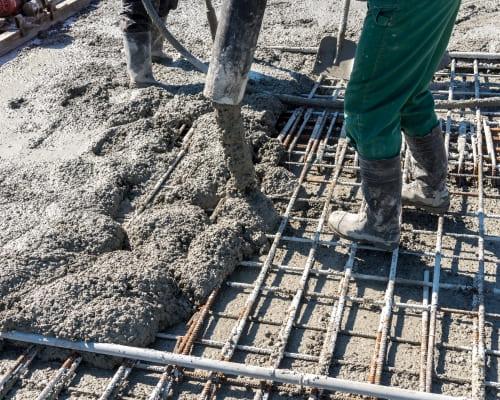
Honed concrete is a slab that has been ground back after curing with diamond tooling, cutting through the cement paste on top to expose the stone inside the mix and leave a smooth, matte or satin surface. It sits between a washed exposed aggregate finish and a glossy polished floor, which is why it suits outdoor living: pool surrounds, alfresco areas, patios, courtyards, paths and driveways. Honed concrete in Cranbourne is built on the same base as any good slab, with the ground compacted for the sand belt, reactive clay or estate fill below, then honed to the chosen depth and sealed with an anti-slip sealer so it keeps its grip when wet. Peak Concreting Cranbourne pours, hones and seals across the City of Casey and Cardinia Shire, priced per square metre after a site visit. Call 0485 032 128 for a free on-site quote on honed concrete.
Stamped Concrete
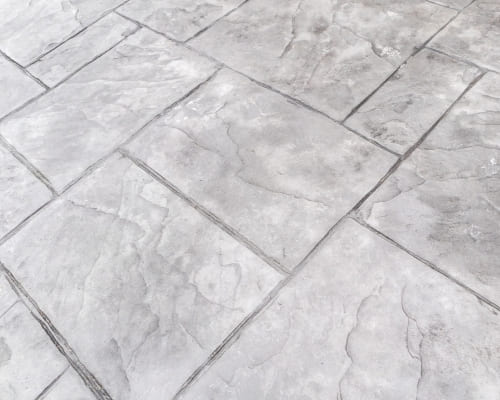
Stamped concrete is fresh concrete pressed with a patterned mat while it is still workable, so the finished slab carries the texture and joint lines of slate, cobblestone, brick, ashlar stone or timber boards. Colour is added with a dry-shake colour hardener and a contrasting release agent, which gives the pattern its depth and two-tone look. Stamped concrete in Cranbourne is used on driveways, alfresco areas, courtyards, paths and pool surrounds, where owners want the look of pavers or stone without loose units that sink, shift or grow weeds. Every slab is built on a base compacted for the ground below, whether that is the Cranbourne sand belt, reactive clay or engineered fill on a new estate, then cut with control joints and sealed. Peak Concreting Cranbourne pours, colours, stamps and seals across the City of Casey and Cardinia Shire, priced per square metre after a site visit. Call 0485 032 128 for a free on-site quote on stamped concrete.
concreting In Beaconsfield
FREQUENTLY ASKED QUESTIONS
Everything you need to know about our concreting In Beaconsfield
Do concreters in Beaconsfield also work on Upper Beaconsfield and hills properties?
Yes. Driveways, shed slabs, paths and resurfacing are taken on across Beaconsfield and up into Guys Hill and Upper Beaconsfield. Hills properties often have steeper driveways and sloping pads, so the site visit checks grade, access for a concrete truck and drainage before a quote is written. Steep sites may need a concrete pump or a staged pour.
How soon can a car be driven onto a new driveway?
Foot traffic is usually fine after a day or two, and a car can generally use a new driveway after about seven days of curing. Heavier vehicles such as caravans, boats or delivery trucks should wait longer, often around 28 days, when the concrete is close to full strength. In hot weather the slab is kept moist during the first days so it cures evenly. Clear timing is given for each job when the pour is booked.
Can a steep driveway be made less slippery?
Yes. A steep driveway can be finished with exposed aggregate, a coarse broom finish or grooves cut across the slope, all of which give better grip than a smooth trowelled surface. A sealer with a non-slip additive helps on existing surfaces. Leaves and moss also cause slips, so drainage and regular cleaning matter on shaded driveways.
Does a new crossover in Beaconsfield need a council permit?
Usually, yes. The crossover sits in the road reserve, so a permit is normally needed before it is replaced or widened, and it must be built to the council's standard. Most of Beaconsfield falls within Cardinia Shire and part within the City of Casey, so the correct council is checked for each address. Permit requirements are confirmed and allowed for at the quoting stage.
Is resurfacing cheaper than replacing an old driveway?
Resurfacing generally costs less than a full replacement, because there is no breaking out, no carting away and no new base. It only works on a slab that is structurally sound, without major settlement or moving cracks. If the slab has failed, replacement is the better long-term choice. An on-site inspection shows which option suits each driveway.
Will reactive clay crack a new slab?
Reactive clay moves with the seasons, and it can crack concrete that is not designed for it. The risk is managed with a well compacted base, the right thickness and steel, control joints at set spacing and, most importantly, drainage that keeps water away from the clay beside the slab. For structural slabs, the AS 2870 site class from a soil test sets the design. Peak Concreting allows for the ground conditions found on each site.
TESTIMONIALS
What Beaconsfield Homeowners Say About Us
Request A Free Quote
GET A FREE QUOTE
BUSINESS
SERVICES
OPERATING HOURS
Sun: 7:00am - 9:00pm
Mon: 7:00am - 9:00pm
Tue: 7:00am - 9:00pm
Wed: 7:00am - 9:00pm
Thu: 7:00am - 9:00pm
Fri: 7:00am - 9:00pm
Sat: 7:00am - 9:00pm