Exposed Aggregate Cranbourne, Washed Stone Built to Last
Exposed aggregate is the washed stone finish seen on driveways, paths and alfresco areas right across the new estates and older streets of Cranbourne. Instead of a smooth grey surface, the top layer of cement paste is washed away so the natural stone in the concrete shows through, giving a textured, slip-resistant surface that hides dust, tyre marks and minor wear far better than plain concrete. Peak Concreting Cranbourne pours exposed aggregate driveways, crossovers, paths, side access, entertaining areas and pool surrounds across the City of Casey and Cardinia Shire, on a compacted base with steel mesh and properly placed joints, and finishes every job with a sealer suited to hot, dry summers and cool, wet winters. Stone colour and size are chosen from samples before the pour, and every quote comes back in writing with the mix, the stone and the sealer named. Call 0485 032 128 for a free on-site measure and a written exposed aggregate quote.
GET A FREE QUOTE
Peak Concreting Cranbourne
Exposed Aggregate Cranbourne: Driveways, Paths, Alfresco Areas and Pool Surrounds
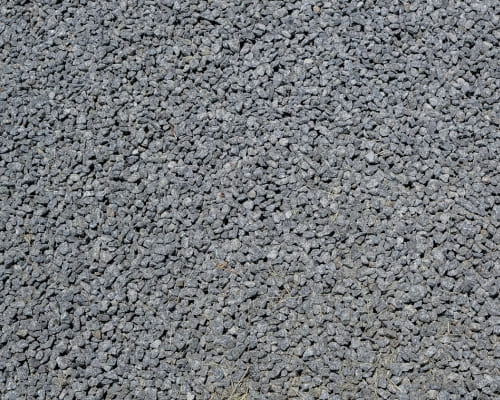
Exposed aggregate in Cranbourne is used almost anywhere outdoor concrete is poured, and the finish behaves the same way on every surface: the stone takes the wear, the texture gives grip, and the varied colour of the pebbles disguises marks that would stand out on plain grey concrete. What changes from one job to the next is the load the slab has to carry, how much water it has to shed, and how the surface will be used. Those three things decide the slab thickness, the stone size and the sealer, so the intended use is the first question settled on site.
Exposed aggregate driveways and crossovers
Driveways are the largest share of exposed aggregate work around Cranbourne, from new homes in Clyde North and Cranbourne West to replacement driveways on older blocks. An exposed aggregate driveway carries car and sometimes trailer loads, so it is built as a full driveway slab first and a decorative surface second: compacted crushed rock base, mesh on chairs, the right thickness and joints that control cracking. The washed stone surface then hides oil drips and tyre scuffs better than plain concrete. Where the driveway meets the street, the crossover must be built to the council standard drawing, and the consent and construction side of that is covered on the concrete driveways page. Many owners carry the stone finish onto the crossover where council allows, or keep the crossover plain to match the footpath.
Paths and side access
Paths around the house and down the side access are a natural fit for exposed aggregate, because they take daily foot traffic, wheelie bins and wheelbarrows and often stay damp in the shade between houses. The textured surface keeps its grip when wet, and the stone hides the dirt that tracks along a side path. Paths are usually poured thinner than a driveway, but they still need a firm, compacted base and falls that carry water away from the house slab and toward a garden bed or drain. A path poured in the same stone as the driveway ties the whole frontage together and makes a property look finished.
Alfresco areas and entertaining slabs
Alfresco and entertaining slabs off the back of a house are often the area where the look matters most, because they sit beside the living room and are seen every day. Exposed aggregate suits them well: the stone gives a natural, relaxed finish that works with timber decking, garden beds and outdoor furniture, and the sealer helps resist food and drink spills. These slabs usually butt against the house, so the level has to sit below the floor and the fall has to run away from the building. An isolation joint where the slab meets the house stops movement in one being passed to the other.
Pool surrounds that grip when wet
Around a pool, slip resistance is the first requirement and appearance the second, and exposed aggregate delivers both. The washed stone surface gives bare feet grip even when the concrete is wet, which smooth or polished surfaces cannot. Stone size matters here: a finer, rounded pebble is kinder underfoot than a coarse, angular stone, and a lighter blend stays noticeably cooler on a hot summer afternoon than a dark one. Pool surrounds also need falls that carry splash water away from the pool and a sealer that tolerates pool water, so the specification is set with the pool builder's coping and fencing in mind.

Peak Concreting Cranbourne
How an Exposed Aggregate Finish Is Placed, Washed and Sealed
An exposed aggregate surface is only as good as the slab beneath it and the timing of the wash. The steps below are the specification a well-built job follows, from the base up to the first coat of sealer. They are also the items worth comparing line by line between quotes, because two prices for the same area can describe very different slabs. Getting any one of them wrong shows up later as cracking, loose stones or a patchy, uneven surface.
Slab thickness, mesh and joints under the stone
Underneath the stone, an exposed aggregate slab is ordinary structural concrete and is built the same way. Paths are commonly poured around 75 to 100mm thick, car driveways around 100mm, and around 125mm where heavier vehicles such as caravans or trailers will use them. Residential slabs are commonly poured at 25 or 32 MPa, with steel reinforcing mesh such as SL72, or SL82 for heavier duty, held on bar chairs so it sits within the slab. Control joints are saw-cut or tooled at regular intervals and at changes in shape so shrinkage cracks form inside the joint rather than across the stone, and isolation joints separate the slab from the house, garage and fixed structures.
Seeded stone versus a through-mix aggregate
There are two ways to get decorative stone into the surface. In a through-mix, the decorative aggregate is batched into the concrete at the plant, so the stone runs through the full depth of the slab and the wash simply uncovers it. In a seeded finish, plain concrete is poured and the decorative stone is broadcast over the wet surface and pressed in. A through-mix gives a dense, consistent spread of stone and is the usual choice for driveways. Seeding can use a stone that is not available in a premix and suits smaller areas, but it relies on even spreading to avoid bare patches.
Timing the wash to reveal the stone
Once the concrete is placed, screeded and floated, a surface retarder is commonly sprayed on to slow the setting of the top few millimetres while the rest of the slab hardens. The surface is then washed with water and a brush or pressure washer to remove the softened cement paste and expose the top of the stone. Timing is the skill: wash too early and stones are loosened or dislodged, wash too late and the paste has set and the stone stays hidden. On a large pour, the crew has to manage the timing across the whole area so the depth of exposure stays even from one end to the other.
Curing in hot wind and cool, wet weather
Cranbourne's hot, dry, windy summer days, with some days above 40C, draw moisture out of fresh concrete quickly and can cause plastic shrinkage cracking before the slab has gained strength. Pours on those days are scheduled for the cooler early morning, and the slab is kept moist or protected with a curing compound once the wash is complete. Curing for at least seven days lets the concrete reach a good share of its strength. In cool, wet winters the concrete gains strength more slowly, rain can damage a freshly washed surface, and pours are timed around the forecast rather than rushed.
Applying the first coat of sealer
Once the slab has cured and dried, the surface is cleaned of any cement haze and the first coat of sealer is applied. Sealing deepens the colour of the stone, helps lock the pebbles in place, and makes oil, food and leaf stains easier to remove. The two common choices are a film-forming acrylic sealer, which gives a satin or wet-look finish, and a penetrating sealer, which soaks in and leaves a natural appearance. On driveways and pool surrounds the choice also has to keep enough grip underfoot. The product range and long-term resealing work are covered on the concrete sealing page.
Peak Concreting Cranbourne
Why Cranbourne Owners Choose Peak Concreting for Exposed Aggregate
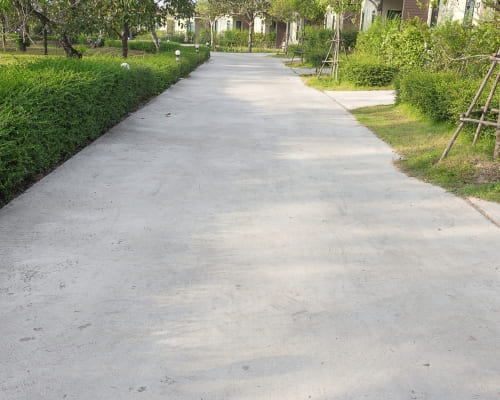
An exposed aggregate job cannot be fixed once the stone is washed and the slab has set. A thin base, mesh lying in the dirt or a mistimed wash is locked in for the life of the concrete. That is why the way the work is organised matters as much as the finish itself, and why the points below are worth asking any contractor about before signing a quote.
One crew from the base to the final seal
Exposed aggregate is a job where the steps depend on each other. The base, the mesh, the pour, the wash and the sealer all have to suit one another, and the timing of the wash depends on how the concrete was placed. Peak Concreting keeps the same crew on the job from excavation through to the final coat of sealer, rather than handing the slab to a separate finisher halfway through. That means one team is answerable for whether the stone is exposed evenly, whether the joints sit where they should, and whether the surface sheds water the way it was meant to.
Levels and drainage checked on site before quoting
A price given over the phone cannot account for the levels of a block. Before quoting, the site is measured and the finished levels are checked against the house slab, the garage, the footpath and any existing concrete that the new work has to meet. The quote then allows for the excavation, the base depth and the falls the site actually needs, rather than adding them as variations later. This visit is also when stone samples are shown, access for the concrete truck or pump is checked, and any old concrete to be removed is measured.
Written quotes that name the mix, stone and sealer
Every exposed aggregate quote comes back in writing with the specification spelled out: the area, the base depth, the slab thickness, the concrete strength in MPa, the mesh, the joint layout, the stone blend, and the sealer to be applied. A quote that only says "exposed aggregate, per square metre" leaves too much open, because a cheaper price often means a thinner slab, a seeded finish where a through-mix was expected, or no sealer at all. Having each item named makes it easy to compare quotes fairly and to know exactly what will be poured.
Peak Concreting Cranbourne
What Exposed Aggregate Concrete Costs in Cranbourne
Exposed aggregate concrete costs more per square metre than a plain broom finish, because the decorative stone costs more than standard aggregate and the wash, clean-up and sealing add labour and a further visit. It usually costs less than stamped concrete and less than laying brick or natural stone pavers, although the gap depends on the stone chosen and the size of the job. No single figure applies to every Cranbourne block, which is why prices are given after a site measure rather than quoted blind.
How a per square metre exposed aggregate price is built
A per square metre price is built from the same items whether the job is a path or a double driveway: excavation and removal of spoil, the crushed rock base and its compaction, formwork, the steel mesh, the concrete itself, placing and finishing, the retarder and wash, saw-cut joints, and the sealer. The concrete and stone are often a smaller share of the cost than people expect, and preparation and labour are often the larger part. Comparing quotes item by item shows where a lower price has come from, and whether something important has been left out.
Stone blend, pour size and site access
Three factors move the price more than any others. The stone blend matters because some decorative aggregates cost more than others, particularly specialty and light-coloured blends. Pour size matters because a large driveway spreads the fixed costs of setting up, delivery and the wash across more square metres, so a small path often costs more per square metre than a large slab. Access matters because a concrete truck that can back up to the formwork is cheaper than pumping concrete over a house or barrowing it down a narrow side path, and pump hire is a separate cost.
Removing old concrete before a new pour
A replacement job carries costs a new pour does not. An old driveway or patio has to be broken up, loaded and carted away, and the base underneath usually needs correcting before new concrete goes down. A genuine exposed aggregate finish cannot simply be added to the top of an old slab, because the stone has to sit within fresh concrete; a thin bonded topping is only possible on a sound slab with enough height to spare. Where the old concrete is structurally sound and only the surface is tired, concrete resurfacing can be a cheaper option, although it produces a different look to true exposed aggregate.
Peak Concreting Cranbourne
Exposed Aggregate Compared With Other Concrete Finishes and Pavers
Exposed aggregate is one of several finishes for outdoor concrete, and each suits a slightly different job. The comparisons below set out where exposed aggregate wins and where another finish may suit a block better, so the choice is made on how the surface will be used rather than on a photo alone. Each of the other finishes is covered in full on its own page.
Exposed aggregate versus plain broom-finished concrete
Plain broom-finished concrete is the most economical finish, and on a well-built slab it performs just as well structurally as exposed aggregate. The difference is appearance and how wear shows. Plain grey concrete shows tyre marks, oil drips, efflorescence and patching clearly, and its colour can vary between pours. Exposed aggregate costs more but hides marks and minor wear within the variation of the stone, gives more grip when wet, and generally looks fresh for longer. For a side path behind a fence, plain concrete is often the sensible choice; for a front driveway, many owners choose the stone.
Exposed aggregate versus honed concrete
Both finishes show the stone in the concrete, but they reveal it in different ways. Exposed aggregate washes the cement paste off so the rounded tops of the pebbles stand proud, giving a textured surface. Honed concrete is ground flat with diamond tooling, cutting through the stone to show a smooth, cross-sectioned surface that looks closer to terrazzo. Honed concrete gives a modern, flat finish and is easier to sweep, but it is smoother underfoot, so outdoor honed surfaces need a non-slip sealer or additive. Exposed aggregate generally offers more natural grip, which is why it is favoured on sloping driveways and around pools.
Exposed aggregate versus coloured and stamped concrete
Coloured concrete uses oxide pigment to colour the cement itself, giving an even, solid colour across a smooth or broom-finished surface. Stamped concrete presses a pattern such as slate, cobblestone or timber into the wet surface. Exposed aggregate gets its colour and texture from the stone rather than from pigment or a pattern. The finishes can be combined, for example a tinted base concrete under the stone to change the overall tone. As a broad guide, exposed aggregate tends to wear more gracefully on heavy-use driveways, while stamped finishes give a stronger pattern but rely more on the sealer to keep their colour.
Exposed aggregate versus brick and stone pavers
Pavers give a crisp, modular look and individual units can be lifted and relaid, which helps where services run underneath. Over time, though, pavers laid on sand can sink, rock or spread, particularly where tree roots or reactive clay move the ground, and weeds and ants work through the joints. Exposed aggregate is one continuous slab with no joints for weeds apart from the control joints, and it does not shift brick by brick. Pavers usually cost more to lay than exposed aggregate, but they are easier to patch neatly, whereas a patch in exposed aggregate rarely matches the original stone perfectly.
Peak Concreting Cranbourne
Exposed Aggregate Colours, Stone Blends and Pebble Sizes
The look of an exposed aggregate surface comes almost entirely from the stone. Melbourne concrete suppliers publish their own colour ranges, usually as blends of natural river pebbles and crushed stone, and the same blend can look quite different depending on the base concrete, the depth of exposure and the sealer. Samples of the actual stone are shown on site before the pour, because a printed chart or a phone screen rarely shows the true colour.
Light, dark and white exposed aggregate blends
Exposed aggregate blends fall broadly into light, dark and mixed tones. Light blends with cream, white and quartz pebbles brighten a frontage and stay cooler underfoot in summer, which suits pool surrounds and alfresco areas. White exposed aggregate driveways give a crisp, modern look, although a very light surface shows dirt and tyre marks more than a mid-tone. Dark blends with charcoal and black stone look rich and hide oil, but absorb more heat in the sun. Mixed blends of brown, grey and cream pebbles are the most forgiving, because the variation in colour disguises everyday marks and wear.
Pebble size, texture and comfort underfoot
Stone size changes the texture as much as the colour. A finer pebble gives a tighter, smoother-looking surface that is comfortable for bare feet and suits pool surrounds, alfresco areas and paths used by children. A larger stone gives a bolder, more rugged texture that suits driveways and larger open areas, where it is seen from further away. Rounded river pebbles feel smoother underfoot than crushed, angular stone. The depth of the wash also affects the texture: a light exposure shows just the tops of the stones, while a deeper exposure gives a rougher surface with more grip.
Matching stone to render, brick and roof colours
Choosing stone works best when it is done against the house rather than in isolation. A warm brown or cream blend often suits red or tan brick and terracotta roofs, while grey, charcoal and white blends suit the rendered, grey-roofed homes common in the newer estates. Matching the driveway, paths and alfresco area to one stone ties the whole property together, and contrasting borders in plain or coloured concrete can frame the stone. Because a newly sealed sample looks darker than a dry one, samples are viewed both dry and wet so the choice reflects how the surface will look in all weather.
Peak Concreting Cranbourne
Exposed Aggregate on Reactive Clay, Estate Fill and Sandy Ground
Cranbourne sits on some of the most varied ground in Melbourne's south-east, and the ground matters more to how long an exposed aggregate slab lasts than the stone on top. Cracks are harder to hide in a decorative surface and harder to repair invisibly, so the base preparation for each ground type is set before the pour rather than discovered afterwards.
Reactive clay and engineered fill in new estates
Much of the City of Casey and Cardinia Shire growth area sits on reactive clay, which swells when wet and shrinks when dry, and many new estate blocks are built up with engineered fill. Clay movement pushes slab edges up and down with the seasons, and poorly compacted or uneven fill settles under load, which is a leading cause of cracking in new driveways. On these blocks the base is compacted evenly, the slab is reinforced with mesh, joints are placed where they will control cracking, and drainage keeps moisture under the slab as even as possible so one part does not move differently from the rest.
Loose sand on the Cranbourne sand belt
Parts of Cranbourne sit on the Cranbourne sand belt, a band of genuinely sandy ground. Sand is low in reactivity, which is good news for concrete, because it does not swell and shrink like clay. The risk is the opposite: loose, uncompacted sand settles under load, so a slab poured on it without proper compaction can sink or crack. On sandy ground the natural sand and the crushed rock base are both compacted before the pour, and edges are formed carefully because sand can wash out from under the slab where water runs along the side.
Low-lying, wet ground and drainage
Toward Western Port and the drained Koo Wee Rup Swamp lowlands, the ground is flat, low-lying and in places peaty, with a high water table. Peaty, organic soil is soft and compressible and can shrink in dry years, so slabs on this ground need a deeper engineered base, careful drainage and sometimes geotechnical advice. Even on firmer ground, flat blocks drain slowly, so falls, edge drains and downpipe connections are planned before the pour. Water that pools on or under an exposed aggregate slab is the most common reason the stone surface stains, lifts or cracks over time.
Peak Concreting Cranbourne
Disadvantages, Problems and Care of Exposed Aggregate
Exposed aggregate is a hard-wearing finish, but it is not maintenance free and it is not the right choice for every surface. Knowing its drawbacks, the faults that come from poor workmanship, and the simple upkeep it needs makes it easier to decide whether it suits a particular property.
Drawbacks of the finish itself
Even when it is laid well, exposed aggregate has a few trade-offs. The textured surface is harder to sweep and shovel than smooth concrete, and it can be uncomfortable for bare feet if a coarse stone is chosen. It costs more than plain concrete. Repairs are difficult to make invisible, because a patch rarely matches the stone, the exposure and the weathering of the original slab. A dark blend can become hot in full summer sun. Exposed aggregate also suits outdoor areas rather than interior floors, where a ground and polished finish is the usual choice.
Workmanship faults: loose stones, patchy exposure and cloudy sealer
Most exposed aggregate problems trace back to how the job was done rather than to the finish. Stones that pop out of the surface usually mean the wash was too early or too aggressive, or that seeded stone was not pressed in firmly. Patchy exposure, with some areas showing plenty of stone and others little, comes from uneven retarder or poorly managed wash timing across a large pour. A white, cloudy or milky sealer usually means it was applied over a damp surface or too thickly. Cracks that cross the slab between joints point to a weak base or poorly placed joints. Where problems appear on an existing slab, concrete repairs can address cracking and lifted edges.
Cleaning, stain removal and when to reseal
Routine care is simple: sweep regularly, hose off dirt and leaves, and clean up oil or food spills promptly before they soak in. A garden hose and a stiff brush with a mild detergent handle most cleaning, and a pressure washer can be used with care, keeping the nozzle back from the surface so it does not strip the sealer. Rust marks, tyre marks and oil stains are easier to lift while the sealer is in good condition. When water no longer beads on the surface, or the stone looks dull and dry, it is time to clean and reseal, which is generally needed every few years and sooner on driveways in full sun.
TESTIMONIALS
What Our Exposed Aggregate Concrete Customers Say About Us
The Process
3 Step Process For Your Exposed Aggregate Concrete Needs

1. Free On-Site Assessment and Quote
Every job starts at the property. The area is measured, the existing concrete or bare ground is checked for movement, drainage and access, and the finish and budget are talked through on site. A fixed, itemised written quote follows, listing the preparation, the concrete or overlay system, the finish and the sealer, with any variation agreed in writing before work starts. There is no pressure and no obligation. Call 0485 032 128 to book an assessment.

2. Preparation, Then the Pour or Overlay
Once the quote is agreed, the site is prepared for the ground it sits on. For new concrete that means excavation, a compacted base, formwork, reinforcement and control joints set out to suit sandy Cranbourne soil, reactive clay or engineered fill. For repairs and resurfacing it means cleaning, grinding and fixing cracks before anything new goes down. The concrete or overlay is then placed and finished, with the timing set around heat, wind and rain.

3. Curing, Clean-Up and Handover
New concrete and overlays are cured before they carry any real load, which is what gives them their strength and limits surface cracking. Formwork is removed, the site is cleaned, and the handover covers when the surface can be walked on, driven on and washed, and how and when it should be resealed.
Exposed Aggregate Concrete in Cranbourne
FREQUENTLY ASKED QUESTIONS
Everything you need to know about our Exposed Aggregate Concrete in Cranbourne
Is exposed aggregate more expensive than plain concrete or pavers?
Exposed aggregate costs more than a plain broom finish, because the decorative stone costs more than standard aggregate and the wash and sealer add labour. It usually costs less than stamped concrete and less than laying brick or natural stone pavers. The final price depends on the area, the stone blend, ground preparation, any old concrete to remove and site access. A site measure gives the only reliable figure for a particular block.
How long before an exposed aggregate driveway can be used?
Foot traffic is generally fine after a day or two, once the surface has been washed and has set. Cars should stay off a new exposed aggregate driveway for around seven days while the concrete gains strength, and heavier vehicles such as caravans and trailers for longer. In cool winter weather the concrete gains strength more slowly, so extra time may be advised. The sealer is applied once the slab has cured and dried.
What kind of concrete is used for exposed aggregate?
Exposed aggregate uses a structural concrete mix, commonly 25 or 32 MPa for residential work, with a decorative stone either batched through the mix or seeded onto the surface. The stone is usually a blend of river pebbles or crushed stone chosen for colour and size. A surface retarder is applied after placing so the top layer of cement paste can be washed away to reveal the stone. The slab beneath is reinforced and jointed like any other driveway or path.
What are the disadvantages of exposed aggregate concrete?
The main drawbacks are cost, texture and repairs. It costs more than plain concrete, the rough surface is harder to sweep and can feel coarse underfoot if a large stone is chosen, and patches rarely match the original stone exactly. It also needs resealing every few years to keep its colour and resist stains. Most other problems, such as loose stones or patchy exposure, come from poor workmanship rather than the finish itself.
Is exposed aggregate a good choice for a driveway or pool surround?
Exposed aggregate is one of the most popular choices for both. On a driveway it hides tyre marks and oil better than plain concrete and gives grip on a slope in wet weather. Around a pool, the textured surface stays slip resistant when wet, and a lighter, finer stone is cooler and more comfortable for bare feet. In both cases it lasts best when it is built on a compacted base with mesh, good joints and proper falls.
How should an exposed aggregate colour be chosen?
The best way is to look at real stone samples against the house, in both dry and wet condition, because sealing darkens the stone. Light blends brighten a frontage and stay cooler, dark blends hide oil but absorb heat, and mixed blends are the most forgiving of everyday marks. Stone size changes the texture too, with finer pebbles suiting pool surrounds and paths. Peak Concreting brings samples to the site measure so the choice can be made against the render, brick and roof.
Request A Free Exposed Aggregate Concrete Quote
BUSINESS
SERVICES
OPERATING HOURS
Sun: 7:00am - 9:00pm
Mon: 7:00am - 9:00pm
Tue: 7:00am - 9:00pm
Wed: 7:00am - 9:00pm
Thu: 7:00am - 9:00pm
Fri: 7:00am - 9:00pm
Sat: 7:00am - 9:00pm