Polished Concrete Floors Cranbourne, Built to Last
Polished concrete floors are hard-wearing, easy to clean and suit the open-plan homes being built right across Cranbourne and the growth estates around it. The surface of the slab is ground back with diamond tooling, hardened with a densifier, then sealed and burnished to a matt, satin or high gloss sheen, so the floor itself becomes the finished surface rather than something to cover with tiles or timber. Peak Concreting Cranbourne polishes new house slabs, existing floors in renovations, garages, workshops, shops and offices across the City of Casey and Cardinia Shire, offering both mechanically polished concrete and a lower-cost grind and seal. Each floor is checked for cracks, moisture and stone depth before quoting, finish samples are agreed in advance, and the quote comes back in writing with the exposure level, sheen and sealer named. Call 0485 032 128 for a free on-site measure and a written polished concrete quote.
GET A FREE QUOTE
Peak Concreting Cranbourne
Polished Concrete Floors Cranbourne: Living Areas, Garages and Commercial Floors
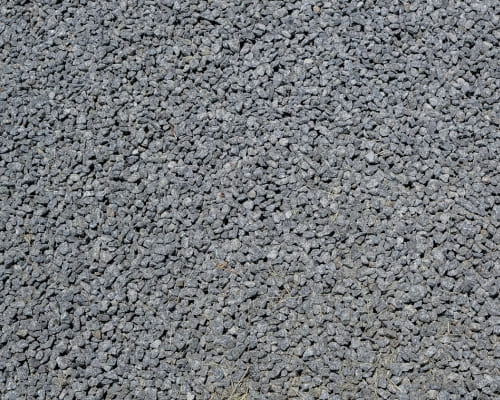
Polished concrete floors in Cranbourne are laid in three broad settings, and each asks something different of the slab. Living areas want a consistent, attractive finish that is comfortable to live on. Garages and workshops want a hard, dust-free surface that shrugs off tyres, tools and oil. Shops, offices and warehouses want a floor that takes constant foot or trolley traffic and stays easy to clean. The same grinding equipment does all three, but the exposure level, the sheen and the sealer are chosen to suit the room, so the intended use is the first thing settled when the floor is inspected.
Living areas, kitchens and open-plan floors
Living areas are where polished concrete is most often chosen in new Cranbourne homes, because one continuous floor can run from the entry through the kitchen, dining and family room without a single join or threshold strip. The surface does not trap dust or pet hair the way carpet does, spills wipe straight off, and the thermal mass of the slab helps a north-facing living room hold its warmth in winter. Kitchens benefit from a well-sealed surface that resists oil and acidic spills such as wine and citrus, which can etch an unprotected floor. A satin sheen is the most common choice indoors, because it reflects light without showing every footprint the way a high gloss can.
Garage and workshop floors
A garage or workshop floor takes car tyres, jacks, toolboxes and dropped parts, so durability counts for more than appearance. An unfinished garage slab sheds a fine cement dust that is tracked into the house, and it soaks up oil and brake fluid into permanent stains. Grinding removes the weak surface layer, the densifier hardens what is left, and a sealer stops fluids soaking in. Most garage floors are finished with a cream or salt and pepper exposure and a matt or satin sheen, which keeps the cost down and gives better grip than a high gloss. Hot tyres can mark some topical sealers, so the sealer is chosen with that in mind.
Shops, offices and warehouse floors
Commercial floors in shops, offices, showrooms and warehouses face heavier and more constant traffic than any home, from foot traffic and trolleys to pallet jacks and forklifts in storage areas. Mechanical polishing suits these floors best, because the shine comes from the hardened concrete itself and there is no coating to wear through in the busy walkways. The floor can be maintained with an auto scrubber and periodic burnishing rather than stripped and recoated. Work in an operating business is usually staged around trading hours, with one area ground and sealed while the rest of the floor stays open.
Polishing a new slab versus an existing floor
A new slab gives the best result, because the finish can be planned from the pour. The concrete mix, the stone in it and the trowelling all affect how the floor will look once ground, and the slab must be protected through the build, since plaster, paint, glue and timber can stain concrete permanently. A new slab is normally left to cure, commonly around 28 days, before grinding starts. An existing floor in an older house or a renovation is a different job: carpet glue, tile adhesive and old coatings must come off first, and the slab may carry cracks, patches and saw cuts from past work. Those marks will show through the finish, so an existing floor suits owners who like a character look. New house slabs themselves are covered on the concrete slabs and footings page.
Why polished finishes stay indoors
A polished surface is smooth by design, and outdoors that smoothness becomes a slip risk once rain, dew or pool water is on it. Full sun also bakes topical sealers and fades a gloss faster than inside. For driveways, alfresco areas and pool surrounds, a ground finish with more texture is the better option, and honed concrete is the outdoor version of this look, ground to show the stone but left with grip. Covered alfresco areas that stay dry can sometimes take a matt grind and seal, but anything exposed to the weather is better suited to a honed or textured surface.
Peak Concreting Cranbourne
Concrete Polishing Cranbourne: Grinding, Densifying and Sealing a Floor
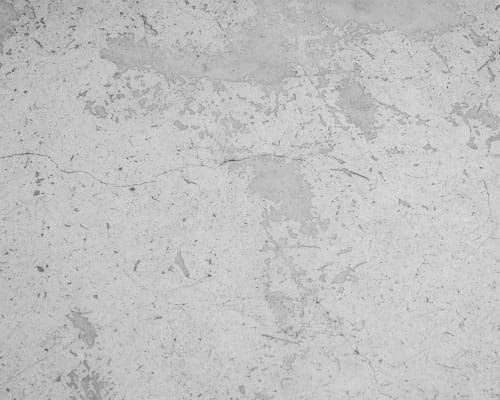
Concrete polishing in Cranbourne follows the same core sequence whether the floor is in a new home or an old shop: prepare the slab, grind it flat and down to the chosen exposure, harden it, then refine and protect the surface. The number of passes and the products used vary with the slab and the finish, and those are the details worth comparing between quotes. Skipping or rushing a stage does not always show on handover day, but it shows within months as scratches, a dull patchy sheen or a floor that stains easily.
Preparing and repairing the slab before grinding
Preparation starts with an inspection of the bare slab. Any carpet glue, tile adhesive, paint or old sealer is removed, because coatings clog the diamonds and leave blotches. The floor is checked for cracks, hollow-sounding areas, uneven joins between pours and moisture coming up through the slab. Low spots and high spots are noted, because grinding a floor flat removes more concrete from the high areas and exposes more stone there. Cracks are usually filled with a coloured filler during grinding, though a repaired crack always remains visible in the finished floor. On older slabs over reactive clay or estate fill, cracks that are still moving are best assessed before polishing, and concrete repairs covers that side of the work.
Diamond grinding stages and grit progression
Grinding is done with heavy planetary machines fitted with diamond tooling. The first passes use coarse metal-bond diamonds that cut through the surface paste and set the exposure level, removing anything from a fraction of a millimetre for a cream finish to several millimetres for full stone. Each following pass uses a finer grit to remove the scratches left by the one before, moving from metal-bond to resin-bond pads. Missing a step leaves fine swirl marks that only appear when light hits the floor at a low angle. A grind and seal stops at a relatively coarse grit, while a mechanically polished floor carries on through to very fine resin pads for a higher sheen.
Densifier and grout coat to close the surface
Partway through grinding, a liquid densifier, commonly a lithium or sodium silicate, is applied and soaks into the concrete. It reacts with the free lime in the cement to form a harder, denser surface that resists dusting and abrasion and takes a better shine. Grinding also opens up small air holes and voids, known as pinholes, which trap dirt if they are left open. A grout coat, made from the fine concrete dust mixed with a binder or a dedicated filler, is worked into the floor to close those holes before the final passes. Skipping it is one of the most common reasons a polished floor looks speckled and dirty soon after handover.
Penetrating guard and final burnish
Once the floor has been refined to the target grit, it is protected. On a mechanically polished floor this is usually a penetrating guard or stain protector that soaks into the surface rather than sitting on top, followed by burnishing with a high-speed machine that heats the guard and lifts the sheen. The protection helps resist oil, coffee, wine and other everyday spills, though no treatment makes concrete fully stain proof, so spills still need wiping up. The level of shine is set by the final grit and the burnish together, which is why the sheen is agreed before grinding begins rather than at the end.
Dust control and when the room can be used
Most grinding is done wet or with industrial vacuums attached to the grinder, which keeps airborne dust to a minimum, but the work is still noisy and the area being ground must be clear of furniture and people. On a new home the floor is usually ground after lock-up and before the kitchen, skirting and painting are finished, so each trade does not damage the next. Foot traffic is generally fine soon after the final coat, while furniture and heavy items wait until the guard or sealer has cured as advised for the product. A typical home floor takes several days from first grind to final burnish, depending on area and exposure.
Peak Concreting Cranbourne
Why Cranbourne Owners Choose Peak Concreting for Polished Floors
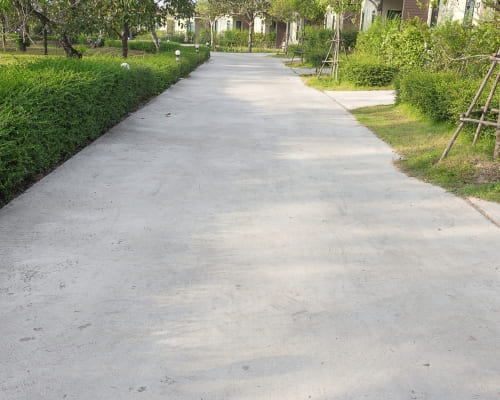
A polished floor is a finish that cannot be easily redone, so owners in Cranbourne want to know exactly what will be delivered before the first grinder is switched on. Peak Concreting works across the City of Casey and Cardinia Shire, on new house slabs in the growth estates of Clyde North, Cranbourne West and Officer and on existing floors in older homes and shops around the Cranbourne township, Hampton Park and Berwick. The approach is the same on every job: one crew, a finish agreed in advance and a quote that spells out what is included.
One crew from slab assessment to final burnish
The crew that inspects the slab is the crew that grinds, fills, densifies and burnishes it. That matters on a polished floor, because decisions made at the inspection, such as how deep to grind to reach the stone or how to treat a crack near a doorway, carry right through to the finished surface. Where the floor is part of a new build, the crew can also advise before the pour on the slab finish and on protecting the concrete during construction, since a floor stained by plaster or glue can be hard to bring back. One point of contact also means questions about timing and access go to the people doing the work.
Finish samples approved before the job is booked
Exposure level and sheen look different on every slab, because the stone in the mix varies from one batch to the next and from one supplier to another. Owners are shown finished samples or photos of similar floors so the cream, salt and pepper or full stone look and the matt, satin or gloss sheen can be chosen with confidence. On an existing slab, a small area can be ground to show what stone sits beneath the surface before the whole job is committed. That removes the most common cause of disappointment with polished concrete: an owner expecting a full stone floor on a slab that only reveals fine sand.
Written quotes that name the exposure, sheen and sealer
Every quote is written and spells out the area, the exposure level, the sheen, the grinding stages, whether a grout coat is included, and whether the floor will be mechanically polished or finished as a grind and seal. It also notes crack filling, glue or coating removal and any work around kitchen joinery or fixed items. Two quotes for polished concrete can look similar on price while describing very different floors, and a written quote that names each stage makes them easy to compare. It also gives the owner a clear reference for what the floor should look like at handover.
Peak Concreting Cranbourne
Polished Concrete Cranbourne Prices and What Drives the Cost
Polished concrete Cranbourne prices are quoted per square metre, and the rate moves with the condition of the slab, the finish chosen and the size and layout of the area. A grind and seal is the most affordable way to finish a concrete floor, mechanical polishing sits above it, and a full stone exposure with a high gloss sits at the top of the range. Compared with other floors, polished concrete on a new slab usually works out cheaper than quality porcelain tiles or engineered timber over the life of the floor, because the slab is already there and the finish has no grout lines to clean or boards to replace. A site measure is the only reliable way to price a particular floor.
How a per square metre polishing price is built
The per square metre rate covers the machine time for each grinding pass, the diamond tooling worn down along the way, the densifier, grout coat and guard or sealer, and the labour to edge, burnish and clean. Fixed costs such as getting heavy grinders to site, setting up dust extraction and protecting walls and doors are spread across the job, which is why a large open floor carries a lower rate per square metre than a small one. Extra items, such as removing glue or tiles, filling cracks or grinding out old coatings, are priced on top because they depend on the slab rather than the finish.
Slab condition, exposure level and sheen
Three choices move the price more than anything else. A slab in poor condition, with glue, old coatings, cracks or uneven levels, needs more preparation and more passes before polishing starts. Exposure level changes the amount of concrete ground away: a cream finish removes very little, salt and pepper takes a little more, and full stone needs the most passes and the most tooling. Sheen adds cost at the other end, because each step up from matt to satin to high gloss means further passes through finer resin pads. Choosing a salt and pepper exposure with a satin sheen is a common way to get a polished look without paying for full stone.
Garages and single rooms versus open-plan floors
A single garage or small room often costs more per square metre than a large open-plan living area, because setup, travel and edge work make up a bigger share of the job. Edges, corners and the areas around kitchen islands and door frames are ground with smaller hand machines, which take longer than the large grinder on open floor. Open-plan homes with few walls and long uninterrupted runs are the most efficient to polish. Combining a garage with the living areas in one booking, while the equipment is already on site, is usually better value than having each area done separately.
Peak Concreting Cranbourne
Polished Concrete Versus Tiles, Timber and Epoxy
Most owners considering polished concrete are weighing it against tiles, timber or hybrid flooring, or an epoxy coating, and each has a different balance of cost, comfort and upkeep. Polished concrete wins on durability and cleaning, and on a new slab it removes the cost of laying a separate floor. It loses on softness underfoot and warmth on a cold morning. The right answer depends on the room, the household and whether the slab underneath is suitable.
Polished concrete versus tiles
Tiles and polished concrete are both hard, cool floors that suit Cranbourne's hot summers, and both are easy to keep clean. The main difference is the grout: a tiled floor has hundreds of grout lines that collect dirt and need occasional cleaning or resealing, while a polished slab is one continuous surface. A dropped heavy object can crack a tile, which then needs replacing and matching, whereas a polished floor may chip but stays in one piece. Tiles offer a wider range of colours and patterns, and they can be laid over a slab that is too damaged or uneven to polish well.
Polished concrete versus timber and hybrid flooring
Timber, engineered boards and hybrid flooring are warmer and softer underfoot than concrete and feel quieter to walk on. They also scratch and dent, particularly with pets and furniture, and floating floors can lift or swell if water gets underneath. Polished concrete will outlast a floating floor many times over, does not need sanding back, and is not damaged by a flooded laundry or a leaking dishwasher in the way boards can be. Owners who want warmth often combine polished concrete in the kitchen, living and entry areas with carpet or timber in bedrooms.
Polished concrete versus epoxy coatings
Epoxy is a coating that sits on top of the concrete, while mechanically polished concrete is the concrete itself, ground and hardened. Epoxy comes in solid colours and flake finishes, is popular in garages and workshops, and resists chemicals well, but it can scratch, peel where the slab holds moisture and yellow in sunlight. Once worn through, it needs grinding off and recoating. A polished floor has no film to peel and wears slowly over many years. Epoxy suits owners who want a bright solid colour or a highly chemical-resistant surface. Polished concrete suits those who want a natural stone look and minimal upkeep.
Polished versus honed concrete
Honed and polished concrete are both ground with diamond tooling, and the difference lies in how far the process goes and where the floor is used. Polished concrete is refined through many fine grits to a satin or gloss sheen and sealed for indoor living. Honed concrete stops at a coarser grind and is sealed with a slip-resistant finish, which makes it suitable for alfresco areas, paths and pool surrounds where grip matters more than shine. A home can use both, with polished floors running through the living areas and honed concrete continuing the same stone look outside.
Peak Concreting Cranbourne
Grind and Seal Versus Mechanically Polished Concrete
Grind and seal and mechanically polished concrete can look similar in a photo, but they are built differently and they wear differently. Both start with grinding to expose the chosen level of stone. The difference lies in where the shine comes from: on a mechanically polished floor the concrete itself is refined to a sheen, while a grind and seal relies on a topical coating applied over a less refined surface. Knowing which one a quote describes is the single most important comparison an owner can make.
How grind and seal relies on a topical coating
In a grind and seal, the slab is ground to the chosen exposure, the pinholes are filled, and the floor is finished at a relatively coarse grit. Several coats of a topical sealer, commonly a polyurethane or acrylic, are then applied, and the coating provides the sheen and the protection. The result can look very similar to a polished floor on handover day, in matt, satin or gloss, and it costs less because there are fewer grinding passes. The sealer is a film on the surface, however, so it wears in walkways, can scratch under furniture and needs recoating every few years in busy areas. Products for sealing outdoor concrete are covered on the concrete sealing page.
Why mechanically polished floors last longer
A mechanically polished floor is refined through progressively finer diamonds until the hardened concrete itself reflects light, and it is protected with a penetrating guard rather than a thick coating. There is no film on top to scratch, peel or wear through, so the sheen holds up far longer under foot traffic and can be restored by burnishing rather than stripping and recoating. The concrete is also hardened by the densifier, which makes the surface tougher than an unpolished slab. The trade-off is cost: more passes and more tooling mean a higher price than a grind and seal for the same area.
Choosing between them by room and budget
Grind and seal suits budget-conscious projects, rooms with lighter traffic, and floors where the owner wants a deeper, wet look that a topical sealer gives. It is also a common choice for covered alfresco areas and some garages. Mechanically polished concrete suits living areas and kitchens that see daily traffic, commercial floors, and owners who want the lowest long-term upkeep. A home can use both, with mechanically polished floors in the main living areas and a grind and seal in the garage or laundry, which keeps the overall cost down without compromising the busiest rooms.
Peak Concreting Cranbourne
Exposure Levels, Sheen and Colour Options
The look of a polished floor comes down to three choices: how much stone is exposed, how much the surface shines, and the colour of the concrete and the stone within it. Each is set by the grinding and the products used, and each changes the price. All three are best agreed with real samples, because the stone in every slab is different and a finish chosen from a catalogue photo may not match the concrete underfoot.
Cream finish with no stone showing
A cream finish, sometimes called nil exposure, grinds only the very top of the slab, so the surface shows smooth cement paste with little or no stone. It gives a clean, minimal, even grey look that suits modern interiors and costs the least to achieve, because very little concrete is removed. The catch is that it relies on a slab that was finished flat and evenly in the first place, since any high or low areas will expose patches of sand or stone when ground. Cream finishes also show the natural mottling and trowel marks of the slab, which many owners like as part of the character.
Salt and pepper exposure
Salt and pepper exposure grinds slightly deeper, revealing the fine sand and small flecks of stone near the surface of the slab. The result is a speckled finish that hides dust and marks better than a plain cream floor and has a little more texture to the eye. It is the most popular choice in Cranbourne homes and garages because it gives a clear polished concrete look without the extra grinding and cost of full stone. It is also forgiving of slabs that are not perfectly flat, since small variations in depth only change the density of the speckle.
Full stone exposure
Full stone exposure grinds deep enough to cut through the larger aggregate in the slab, revealing a terrazzo-like surface of sliced stone. It is the most striking finish and the most expensive, because it removes the most concrete and wears the most tooling. On a new slab, full stone is planned at the pour, sometimes with a decorative aggregate chosen for colour and a mix placed so the stone sits close to the surface. On an existing slab, the stone already in the concrete is what will show, which is why a test area is ground first. Exposed stone outdoors is a different finish, covered on the exposed aggregate concrete page.
Matt, satin and high gloss sheen
Sheen is set by how fine the final grit goes and how the floor is burnished. A matt finish has a soft, low reflection that hides scratches and footprints and gives the most grip. Satin sits in the middle and is the most common choice for homes, reflecting light without looking wet. High gloss gives a mirror-like reflection that brightens a room and suits showrooms and feature areas, but it shows dust, scratches and smudges more readily and needs the most passes. Wet floors of any sheen can be slippery, so entries, laundries and bathrooms are usually given a matt or satin finish.
Grey tones, stone colour and tinted floors
The base colour of a polished floor is the colour of the cement, typically a mid grey, with the stone colour depending on the aggregate in the mix. On a new slab, an off-white or charcoal concrete can be specified, or a colour oxide added to the mix, and the decorative stone can be chosen to suit the interior. On an existing slab, dyes and tints can be applied during grinding to warm or darken the tone, although they colour the paste more than the stone and show some variation. Colour added to outdoor concrete through oxides and dry shakes is a different service, covered on the coloured concrete page.
Peak Concreting Cranbourne
Polished Concrete Floor Disadvantages, Problems and Maintenance
Polished concrete is a durable, low-upkeep floor, but it is not the right choice for every household, and an honest look at its drawbacks avoids regret later. Some of the downsides belong to the material itself and can only be managed. Others are faults in how the floor was ground and sealed, and those are avoidable. Day to day, the floor needs little more than sweeping and mopping, with an occasional burnish to keep the sheen.
Hard, cold and echoing: the real drawbacks
Concrete is hard underfoot, so standing for long periods in a kitchen can be tiring and a dropped glass or plate will usually break. The floor feels cool in winter, which suits Cranbourne's hot summers but can be uncomfortable on a cold morning, and hard surfaces reflect sound, so a large open-plan room can sound echoey. These are managed rather than solved: rugs soften the walk and absorb sound, and in-slab hydronic heating pipes laid before a new pour turn the slab into a warm, radiant floor. Polished concrete also cannot be added to a timber-framed floor, since it needs a concrete slab beneath it.
Cracks, patchy exposure and other workmanship faults
Some problems trace back to the work rather than the material. Patchy exposure, where one area shows plenty of stone and another shows only sand, usually comes from a slab that was not flat, or from grinding that did not account for high and low areas. Swirl marks and fine scratches point to skipped grit stages. A dull or speckled surface soon after handover often means pinholes were not grouted or the guard was not burnished properly. Hairline cracks are common in concrete and may show in any polished floor, but wide or moving cracks from movement in reactive clay or settling fill are a slab issue that should be assessed before polishing.
Cleaning, spills and re-burnishing
Routine care is simple: dry mop or vacuum regularly so grit does not act like sandpaper underfoot, then damp mop with a pH-neutral cleaner made for polished concrete. Harsh cleaners, vinegar and bleach can dull the surface and strip the guard over time. Acidic spills such as wine, citrus, soft drink and tomato should be wiped up promptly, along with oil in garages. Felt pads under furniture prevent scratching. A mechanically polished floor can be brought back with a fresh guard and re-burnishing when the sheen dulls in walkways, while a grind and seal needs a new coat of sealer every few years where traffic is heaviest.
TESTIMONIALS
What Our Polished Concrete Customers Say About Us
The Process
3 Step Process For Your Polished Concrete Needs

1. Free On-Site Assessment and Quote
Every job starts at the property. The area is measured, the existing concrete or bare ground is checked for movement, drainage and access, and the finish and budget are talked through on site. A fixed, itemised written quote follows, listing the preparation, the concrete or overlay system, the finish and the sealer, with any variation agreed in writing before work starts. There is no pressure and no obligation. Call 0485 032 128 to book an assessment.

2. Preparation, Then the Pour or Overlay
Once the quote is agreed, the site is prepared for the ground it sits on. For new concrete that means excavation, a compacted base, formwork, reinforcement and control joints set out to suit sandy Cranbourne soil, reactive clay or engineered fill. For repairs and resurfacing it means cleaning, grinding and fixing cracks before anything new goes down. The concrete or overlay is then placed and finished, with the timing set around heat, wind and rain.

3. Curing, Clean-Up and Handover
New concrete and overlays are cured before they carry any real load, which is what gives them their strength and limits surface cracking. Formwork is removed, the site is cleaned, and the handover covers when the surface can be walked on, driven on and washed, and how and when it should be resealed.
Polished Concrete in Cranbourne
FREQUENTLY ASKED QUESTIONS
Everything you need to know about our Polished Concrete in Cranbourne
Is polished concrete cheaper than tiling?
On a new slab, polished concrete is usually cheaper than laying quality porcelain tiles, because the slab is already in place and there is no adhesive, grout or separate floor to install. A grind and seal is cheaper again, while a full stone exposure with a high gloss can approach the cost of good tiles. On an existing slab with glue, cracks or old coatings, preparation adds cost and tiles may be the simpler option. A site measure gives the only reliable comparison for a particular floor.
What are the disadvantages of polished concrete?
The main disadvantages are that the floor is hard underfoot, feels cool in winter, reflects sound, and can be slippery when wet, particularly with a high gloss sheen. Hairline cracks and variations in stone are part of the material and cannot be fully hidden. Rugs, underfloor heating and a matt or satin sheen help manage these drawbacks. Most other problems, such as patchy exposure, swirl marks or a speckled surface, come from poor workmanship rather than the floor itself.
Can an existing concrete floor or garage slab be polished?
Most existing slabs can be ground and polished or sealed, including garage floors and slabs exposed when carpet or tiles are removed. Glue, adhesive and old coatings must be removed first, and existing cracks, patches and old saw cuts will still show in the finished floor. The stone that can be exposed depends on the concrete already in the slab, so a test area is often ground first. Garages are usually given a salt and pepper finish with a matt or satin sheen for grip and value.
Is polished concrete good with underfloor heating?
Polished concrete works very well with hydronic underfloor heating, because the slab stores the heat and releases it slowly into the room. The heating pipes are laid within the slab before it is poured, so the decision has to be made at the design stage of a new home. The slab is then ground and polished in the normal way once it has cured. Care is taken during grinding not to cut too deep near the pipes, which is another reason the exposure level is planned early.
How long does it take to polish a concrete floor?
A typical home floor takes several days from the first grind to the final burnish, depending on the area, the exposure level and the number of grinding passes. Full stone exposure and high gloss finishes take longer than a cream or salt and pepper finish with a satin sheen. Removing glue or old coatings, or filling cracks, adds time on an existing slab. New slabs are normally left to cure for around 28 days before grinding starts.
How are polished concrete floors cleaned and maintained?
Polished concrete floors are cleaned by dry mopping or vacuuming to remove grit, then damp mopping with a pH-neutral cleaner designed for polished concrete. Harsh chemicals, vinegar and bleach should be avoided because they can dull the surface. Spills such as wine, citrus and oil should be wiped up promptly. Mechanically polished floors can be refreshed by re-burnishing, while grind and seal floors need a fresh coat of sealer every few years in high traffic areas.
Request A Free Polished Concrete Quote
BUSINESS
SERVICES
OPERATING HOURS
Sun: 7:00am - 9:00pm
Mon: 7:00am - 9:00pm
Tue: 7:00am - 9:00pm
Wed: 7:00am - 9:00pm
Thu: 7:00am - 9:00pm
Fri: 7:00am - 9:00pm
Sat: 7:00am - 9:00pm