Concrete Driveways Cranbourne, Built on a Proper Base
A concrete driveway is usually the largest single area of concrete on a property, and around Cranbourne it has to sit on some of the most varied ground in Melbourne: loose sand on the Cranbourne sand belt, reactive clay and engineered fill across the newer estates, and soft, wet ground toward Koo Wee Rup. Whether a driveway stays flat and crack-free for decades depends far more on what goes under it than on the finish on top. Peak Concreting Cranbourne builds new and replacement concrete driveways, second driveways, extensions, long rural driveways and vehicle crossovers across the City of Casey and Cardinia Shire, with a compacted crushed rock base, steel mesh, properly placed control joints and falls that send water away from the house and garage. Every quote starts with a look at the site, the levels and the drainage, and comes back in writing with the specification spelled out. Call 0485 032 128 for a free on-site measure and a written driveway quote.
GET A FREE QUOTE
Peak Concreting Cranbourne
Concrete Driveways Cranbourne: New, Replacement and Rural Driveways
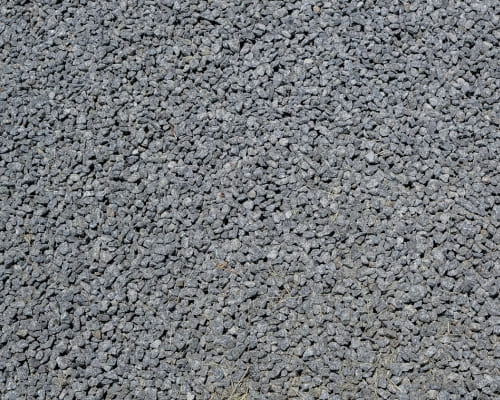
Concrete driveways in Cranbourne fall into a few clear kinds of job, and each one starts from a different point. Some are brand new, poured on bare ground beside a just-finished house. Some replace a driveway that has cracked, sunk or lifted beyond saving. Others add width, a second parking space or a long run up a rural block. The construction principles are the same for all of them, but the preparation, the access and the decisions involved differ, which is why the job type is the first thing settled on site. Where an existing driveway is structurally sound and only the surface is tired, concrete resurfacing can be a cheaper answer than a new pour, and a driveway with isolated cracks or a raised lip may only need concrete repairs. Replacement is recommended only when the slab itself has failed.
New driveways for new homes
Across the growth areas around Cranbourne, including Clyde, Clyde North, Cranbourne West and Cranbourne North, most new homes are handed over with a bare front yard and a crossover that may or may not be built yet. A new driveway on these blocks is poured on ground that has usually been cut, filled and trafficked by construction vehicles for months. The work starts by checking the finished levels against the garage slab and the footpath, stripping topsoil and any builder's rubble, and confirming that the fill is firm enough to carry a base. Getting the levels right at this stage avoids the two most common new-home complaints: water running into the garage, and a car scraping its underside where the driveway meets the crossover.
Replacing an old, cracked or sunken driveway
In the established parts of Cranbourne, Hampton Park and Berwick, many driveways are now twenty to fifty years old. Some were poured thin, without mesh or with mesh lying on the ground, and decades of reactive clay movement have broken them into sections that rock, step or hold water. When cracking runs right through the slab and the pieces have moved out of level, patching only buys a short time. A replacement driveway involves breaking out and removing the old concrete, finding out why it failed, correcting the base and drainage, and then pouring a new slab built to a proper specification. The cause matters, because pouring new concrete over the same soft spot or the same blocked downpipe repeats the failure.
Second driveways, extensions and parking pads
Not every driveway job covers the whole frontage. Common smaller jobs include widening a single driveway to take two cars side by side, adding a parking pad for a caravan, trailer or boat, running a side driveway through to a rear shed, and extending a driveway across a front yard. Each one has to join existing concrete neatly. The new section is dowelled or separated from the old with a proper joint, matched for level so there is no trip edge, and laid to fall the same way as the existing slab. Extra width toward the street can also mean widening the crossover, which needs council consent before any concrete goes in.
Long driveways on rural and lifestyle blocks
On the larger blocks around Cranbourne South, Devon Meadows and Pearcedale, a driveway can run a long way from the road to the house and sheds. A long rural driveway raises questions a suburban one does not: how to shed water on flat ground, whether delivery trucks, horse floats or farm vehicles will use it, where the concrete truck and pump can reach, and whether the whole length needs to be concrete or only the section near the house. Thicker concrete and heavier mesh are worth considering where heavy vehicles are expected. Long runs are usually poured in stages with construction joints between them, and the base preparation on sandy, low-lying ground matters even more than it does in town.

Peak Concreting Cranbourne
How a Concrete Driveway Is Built: Base, Thickness, Mesh and Joints
Almost every driveway failure seen around Cranbourne traces back to something that happened before or during the pour, not to the concrete itself. A driveway is a thin slab carrying concentrated wheel loads, sitting on ground that moves with the seasons. It lasts when the base is firm and even, the slab is thick enough and properly reinforced, joints are cut where they will control cracking, and water is carried away rather than left to soak underneath. The steps below are the specification a well-built residential driveway follows, and they are the items worth comparing line by line between quotes.
Excavation and a compacted crushed rock base
The ground is excavated to remove topsoil, roots and any soft or organic material, down to firm natural ground or properly placed fill. A layer of crushed rock is then spread and compacted with a plate compactor or roller, commonly around 75 to 100mm deep, more where the ground is soft. The base gives the slab even support, so a driveway does not end up bridging a soft patch that later sinks. On the sandy ground around Cranbourne the base and the sand beneath it both need compacting, because loose sand settles under load. On reactive clay the aim is uniform support and a consistent moisture condition, so one part of the slab does not move differently from the rest.
Slab thickness, concrete strength and steel mesh
A standard residential driveway for cars is generally poured around 100mm thick, increased to around 125mm or more where heavier vehicles such as campervans, trucks or trailers will use it. Concrete strength is specified in MPa, and residential driveways are commonly poured at 25 or 32 MPa, with the higher grade giving better durability on surfaces that take daily wear. Steel reinforcing mesh, typically SL72 for a standard driveway and SL82 for heavier duty, is placed on bar chairs so it sits within the slab rather than on the ground. Mesh lying in the dirt does nothing to hold cracks together and is a common reason older driveways fall apart.
Control joints and expansion joints
All concrete shrinks as it dries, and a slab will crack somewhere if it is not told where. Control joints are cut or tooled into the slab to create a weakened line so that shrinkage cracks form neatly inside the joint rather than wandering across the surface. On a driveway they are commonly placed at intervals of around three to four metres and at changes in shape, such as where the driveway narrows or turns. Expansion or isolation joints, made from a compressible strip, separate the driveway from the house slab, the garage, the crossover and fixed structures such as pits and posts, so that movement in one does not crack the other.
Falls, drainage and the garage threshold
A driveway should never be dead flat. It is set out with a gentle fall, commonly around one to two per cent, so rainwater runs toward the street, a grated drain or a garden area rather than toward the house. The most critical point is the garage door, where the driveway must fall away from the threshold so water cannot run under the door. Strip drains are often fitted across the driveway in front of the garage on flat blocks or where the driveway slopes toward the house. Downpipes discharging onto the driveway are connected to the stormwater system where possible, because water pooling at a slab edge is how reactive clay is softened and lifted.
Pouring, finishing and curing in hot and wet weather
Cranbourne summers bring hot, dry and windy days, sometimes above 40C, when a fresh slab loses surface moisture fast and fine plastic shrinkage cracks can appear within hours. Pours on those days are booked early in the morning, with the subgrade dampened and the surface protected during finishing. Cool, wet winters bring the opposite problem: slow setting and rain damage to the surface, so pours are timed around the forecast. After finishing, the slab is cured by keeping it moist or applying a curing compound. Foot traffic is generally fine after a day or two, but cars stay off for around seven days while the concrete gains strength. Concrete sealing can be applied once the slab has cured to protect it from oil and staining.
Peak Concreting Cranbourne
Why Cranbourne Owners Use Peak Concreting for Driveways
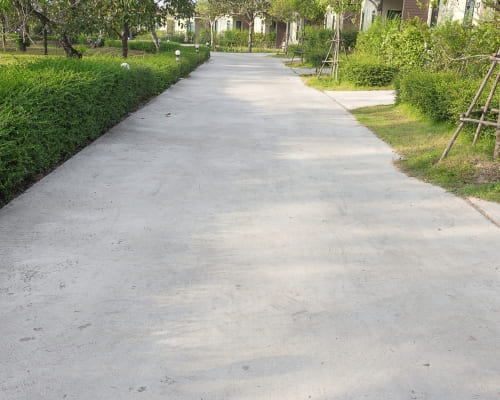
A driveway quote can look similar on paper from one concreter to the next, and the differences only show up years later as cracks, sinking or water in the garage. Peak Concreting Cranbourne works on the opposite principle: the things that cannot be seen once the concrete is down are the things written into the quote. Each driveway job starts with a site visit to check the levels from the house to the street, the ground type, existing drainage and downpipes, nearby trees, and access for the concrete truck or pump. The written quote then sets out the base depth, slab thickness, concrete strength, mesh type, joint layout and falls, so an owner can see exactly what is being built and compare it fairly against another price.
The crew works across the whole Casey and Cardinia corridor, from the sandy ground in Cranbourne itself to reactive clay in the Clyde North estates and the softer ground toward Koo Wee Rup, so the preparation is matched to the block rather than one method used everywhere. Where a new crossover or a widening is part of the job, the council consent process is factored into the programme so the crossover is not poured before approval. Owners get a straight answer when a driveway does not need replacing at all, and a clear explanation when it does. After the pour, the handover covers when cars can go on it, how to look after the surface, and what to watch for in the first summer.
Peak Concreting Cranbourne
What a Concrete Driveway Costs in Cranbourne
The cost of a concrete driveway in Cranbourne depends on the size of the area, what has to be removed first, the ground conditions, the thickness and reinforcement, the finish, and how easy the site is to reach. Because those factors vary so much from block to block, a fair price comes from a site measure rather than a figure quoted over the phone. What can be explained in advance is how the price is built up and which choices push it up or down, so the quote makes sense when it arrives.
How a per square metre driveway price is built
Driveway pricing is usually expressed per square metre, but that rate bundles several separate costs. It includes excavation and removal of soil, supply and compaction of the crushed rock base, formwork, steel mesh and bar chairs, the concrete itself, placing and finishing labour, joint cutting, and clean-up. Larger driveways generally come in at a lower rate per square metre than small ones, because the fixed costs of setting up, ordering a truck and mobilising a crew are spread over more area. A small extension or parking pad often carries a higher rate for the same reason. Comparing quotes on a per square metre basis is only fair when the specification underneath matches.
Breaking out the old driveway and site access
A replacement driveway carries costs that a new one does not. The old concrete has to be broken out, loaded and taken away, and thicker or heavily reinforced old slabs take longer to remove. The ground beneath is then re-excavated and corrected, which can include replacing soft material or fixing a drainage problem that caused the original failure. Access affects price on every job. A driveway the concrete truck can back up to and pour straight into is the cheapest to build. Narrow side access, a long run from the street, or a steep block may need a concrete pump or barrows, which adds labour and equipment time.
Driveway size, shape and site levels
Simple rectangular driveways on level ground are the most economical to build. Curves, angled sections, splays to the crossover and lots of edges all add formwork and finishing time. Sloping blocks add more again: the levels have to be worked out carefully, excavation may be deeper at one end, and steep driveways need a textured finish for grip and sometimes step-downs or edging. Flat blocks with poor natural drainage may need strip drains and stormwater connections. Thicker concrete or heavier mesh for vans, caravans or farm vehicles adds material cost, and the finish itself also changes the price, with plain broom-finished concrete the most economical and decorative finishes costing more.
Peak Concreting Cranbourne
Concrete Versus Asphalt, Pavers and Gravel Driveways
Concrete is the most common driveway surface in Cranbourne's estates, but it is not the only option, and owners regularly compare it with asphalt, pavers and gravel. Each material suits different blocks, budgets and expectations. The right choice depends on how long the driveway needs to last, how much upkeep is acceptable, how the block drains, and how the driveway should look against the house. A fair comparison covers lifespan and maintenance as well as the upfront price.
Concrete compared with asphalt
Asphalt is a flexible surface laid hot over a compacted base. It can be cheaper upfront on large areas and is common on long rural driveways, but it softens on very hot days, can mark under turning tyres and parked trailers, and needs resealing over time to stop it drying out and fretting. Concrete is a rigid slab that holds its shape in summer heat, offers far more finish and colour choices, and generally needs less ongoing upkeep when it is built properly. On reactive clay, concrete needs reinforcement and joints to handle ground movement, while asphalt flexes but can rut and develop depressions. For most suburban Cranbourne driveways, concrete gives the longer, lower-maintenance result.
Concrete compared with brick and stone pavers
Pavers are individual units laid on a compacted base and bedding sand, and they can look very attractive. Their main advantage is that a single damaged or stained paver can be lifted and replaced. Their drawbacks on a driveway are weeds and ants in the joints, pavers shifting or sinking under car wheels if the base is not deep enough, and edges spreading over time without strong edge restraint. Laying pavers is also labour intensive, so a paved driveway usually costs more than a plain concrete one. A concrete driveway with a decorative finish can give a similar look with a single continuous surface and less upkeep.
Concrete compared with gravel and permeable surfaces
Gravel is the cheapest driveway surface to lay and is common on rural blocks, and it lets rainwater soak straight into the ground. The trade-off is ongoing maintenance: gravel migrates, forms ruts and potholes, gets carried into the house and garage, and needs topping up and grading. Permeable surfaces, such as permeable pavers or stabilised gravel in a grid, aim to combine drainage with a firmer surface, and can suit blocks where runoff is a concern. A concrete driveway handles stormwater by falling to drains rather than absorbing it. On a long rural block, a common compromise is concrete near the house and garage, with gravel further out.
Peak Concreting Cranbourne
Plain or Decorative: Choosing a Driveway Finish
Once the structure of the driveway is settled, the finish is the main decision left, and it is the part owners see every day. The choice is between plain concrete, which is the most economical, and one of several decorative finishes, which cost more but can lift the look of the whole frontage. Every finish sits on the same base, slab and joints, so the finish changes appearance, grip and upkeep rather than strength. The two things worth weighing are slip resistance on any slope and how the finish will look after years of tyres, leaves and weather.
Plain broom-finished concrete
Plain concrete with a broom finish is the standard driveway finish and the most economical. After the surface is floated, a stiff broom is drawn across it to leave a fine, even texture that gives good grip in wet weather, which matters on sloping driveways and on the slippery days that come with Cranbourne's wet winters. A broom finish is usually set off with smooth trowelled edges around the perimeter and along the joints for a neat appearance. Plain grey concrete shows tyre marks and oil spots more than some decorative finishes, so many owners seal it once it has cured. It suits rental properties, long rural driveways and owners who want a clean, durable surface at the lowest cost.
Exposed aggregate, coloured and stamped driveways compared
The three decorative finishes most often chosen for driveways each do a different job. Exposed aggregate concrete reveals the stones in the mix, giving a textured, naturally non-slip surface that hides dirt and tyre marks well, which is why it is the most popular decorative driveway finish. Coloured concrete has oxide pigment through the mix, giving a uniform colour that can match the house, though lighter colours show marks and darker colours absorb heat. Stamped concrete imprints a pattern such as cobblestone, slate or brick into the surface, and needs regular resealing to keep its look. Honed and polished finishes are generally better suited to paths, patios and indoor areas than to a sloping driveway.
Peak Concreting Cranbourne
Driveways on Reactive Clay, Estate Fill, Sand and Soft Ground
The Cranbourne area has three very different ground types within a short drive of each other, and each one asks something different of a driveway. A method that works on sand can fail on clay, and neither suits soft reclaimed ground. Exact soil classification under the Australian Standard AS 2870 is site specific, so the ground is checked on every job rather than assumed from the suburb name. The sections below explain how each ground type behaves under a driveway and what changes in the preparation to suit it.
Reactive clay and engineered fill in new estates
Much of the newer estate land around Clyde, Clyde North, Officer, Pakenham and Cranbourne West is reactive clay, often with engineered fill placed during subdivision. Reactive clay swells when it gets wet and shrinks when it dries, so the edges of a driveway can lift in winter and drop in summer while the middle stays put. Deep or poorly compacted fill can settle unevenly for years. Driveways on this ground need a well-compacted, uniform base, proper reinforcement on bar chairs, control joints at the right spacing, and drainage that keeps water from pooling along the edges. Garden beds, sprinklers and downpipes beside a driveway on clay are worth managing for the same reason.
Sandy ground on the Cranbourne sand belt
Cranbourne sits on the Cranbourne sand belt, a band of naturally sandy ground that was mined for sand from the 1920s. Sand is far less reactive than clay, which is good news for a driveway, but loose sand settles when it is loaded, so a driveway poured on sand that has not been properly compacted can sink in patches, especially near trenches, old garden beds or where services were laid. On sandy blocks the subgrade is compacted before the crushed rock goes down, and edges are protected so sand cannot wash out from under the slab during heavy rain. Toward the east, sand gives way to clay, so the ground is checked on each block.
Soft, wet ground toward Koo Wee Rup and Western Port
The lowlands toward Koo Wee Rup and Tooradin sit on the drained Koo Wee Rup Swamp and nearby Western Port ground, where soils can be peaty, soft and compressible with a high water table. This is the hardest ground in the area for any slab. Peaty soils shrink and compact in dry years, and wet periods leave the subgrade saturated. A driveway here may need deeper excavation, more crushed rock, a thicker slab with heavier reinforcement, and careful drainage, and for larger or heavily loaded areas, geotechnical advice is the sensible first step. Realistic expectations matter too: on this ground, some settlement over time is hard to rule out completely.
Peak Concreting Cranbourne
Driveway Crossovers and Council Vehicle Crossing Consent
The crossover is the part of a driveway that crosses the nature strip and footpath between the property boundary and the road. It looks like part of the driveway, but it sits on council land, so it is built to council rules rather than the owner's preferences. Any new crossover, widened crossover or additional crossover needs consent before work starts, and replacing a damaged crossover also needs approval. A driveway job that includes the crossover is planned so the consent is in hand before the pour.
What a crossover is and who approves it
Councils define a vehicle crossing as the section of driveway between the edge of the road and the property boundary. Approval comes from the relevant road authority. On local streets that is the council, the City of Casey for Cranbourne, Clyde, Hampton Park and Berwick, or Cardinia Shire for Officer, Pakenham, Beaconsfield and Koo Wee Rup. Where the property fronts an arterial road, approval is needed from the state road authority instead. Building or altering a crossover without consent is an offence and can lead to a fine, and an unapproved crossover may have to be removed and rebuilt at the owner's cost.
Applying for consent in City of Casey and Cardinia Shire
Both councils run a vehicle crossing permit process with an application form and a fee set each financial year, so the current fee is best checked directly with the council. In the City of Casey, the application can be lodged by the property owner, an agent for the owner, or the concreter engaged for the job, and a council officer inspects the site before the permit is issued. Approval can take several weeks, which is why it is lodged early. The application usually asks for a sketch of the proposed crossing and, where the driveway is part of a planning approval, a copy of the endorsed plans.
Building the crossover to the council standard drawing
Once approved, the crossover must be built to the council's standard drawings and any conditions on the permit, which cover matters such as width, thickness, reinforcement, the kerb layback and how the crossover meets the footpath. Because those details are set by the council and can differ between authorities, they are taken from the permit for each job rather than assumed. The crossover is usually poured as a separate slab with an isolation joint at the boundary, so movement in the driveway does not crack the council asset. Any damage to the kerb, footpath or nature strip during the work is reinstated before the council's final inspection.
TESTIMONIALS
What Our Concrete Driveways Customers Say About Us
The Process
3 Step Process For Your Concrete Driveways Needs

1. Free On-Site Assessment and Quote
Every job starts at the property. The area is measured, the existing concrete or bare ground is checked for movement, drainage and access, and the finish and budget are talked through on site. A fixed, itemised written quote follows, listing the preparation, the concrete or overlay system, the finish and the sealer, with any variation agreed in writing before work starts. There is no pressure and no obligation. Call 0485 032 128 to book an assessment.

2. Preparation, Then the Pour or Overlay
Once the quote is agreed, the site is prepared for the ground it sits on. For new concrete that means excavation, a compacted base, formwork, reinforcement and control joints set out to suit sandy Cranbourne soil, reactive clay or engineered fill. For repairs and resurfacing it means cleaning, grinding and fixing cracks before anything new goes down. The concrete or overlay is then placed and finished, with the timing set around heat, wind and rain.

3. Curing, Clean-Up and Handover
New concrete and overlays are cured before they carry any real load, which is what gives them their strength and limits surface cracking. Formwork is removed, the site is cleaned, and the handover covers when the surface can be walked on, driven on and washed, and how and when it should be resealed.
Concrete Driveways in Cranbourne
FREQUENTLY ASKED QUESTIONS
Everything you need to know about our Concrete Driveways in Cranbourne
Is a concrete driveway expensive?
A concrete driveway costs more upfront than gravel and is often comparable to or above asphalt on small suburban areas, but it usually needs far less maintenance over its life. The final price depends on the area, any old concrete to remove, ground conditions, thickness, reinforcement, finish and access. Plain broom-finished concrete is the most economical option and decorative finishes cost more. A site measure gives the only reliable figure for a particular block.
What type of concrete is best for a driveway?
Residential driveways are commonly poured with a 25 or 32 MPa concrete, with the higher grade giving better wear resistance. The mix is placed around 100mm thick for cars, or thicker for heavy vehicles, over a compacted crushed rock base with steel mesh such as SL72 on bar chairs. The finish is a separate choice, from plain broom finish to exposed aggregate. Getting the base, reinforcement and joints right matters more than the mix alone.
How long before a car can drive on a new concrete driveway?
Foot traffic is generally fine after a day or two, but cars should stay off a new driveway for around seven days while the concrete gains strength. Heavier vehicles such as trucks, caravans and trailers are best kept off for longer. In cool winter weather, concrete gains strength more slowly, so extra time may be advised. Keeping the slab moist or applying a curing compound during this period also helps prevent surface cracking.
Can a homeowner concrete a driveway themselves?
Small paths and pads are sometimes done as DIY projects, but a driveway is a large pour that has to be placed, finished and jointed within a short window before the concrete sets. Mistakes in the base, falls, reinforcement height or joint spacing are permanent once the concrete hardens. Hot, windy Cranbourne summer days make the finishing window even shorter. Any crossover work also needs council consent before it starts.
Is a concrete driveway better than asphalt?
Concrete is usually the longer-lasting, lower-maintenance option for a suburban driveway and offers more finish choices, while asphalt can be cheaper upfront on very large areas. Asphalt softens in extreme heat and needs periodic resealing, whereas a well-built concrete slab holds its shape and generally just needs cleaning and occasional sealing. On long rural driveways, some owners choose concrete near the house and a cheaper surface further out. The right choice depends on the block, budget and how the driveway will be used.
Does a driveway crossover need a council permit in Cranbourne?
Yes, building, widening, adding or replacing a vehicle crossing generally needs consent from the road authority, which is the City of Casey or Cardinia Shire on local roads. Properties on arterial roads need approval from the state road authority. In the City of Casey a concreter engaged by the owner can lodge the application, and a council officer inspects the site before the permit is issued. Work done without a permit can attract a fine.
Request A Free Concrete Driveways Quote
BUSINESS
SERVICES
OPERATING HOURS
Sun: 7:00am - 9:00pm
Mon: 7:00am - 9:00pm
Tue: 7:00am - 9:00pm
Wed: 7:00am - 9:00pm
Thu: 7:00am - 9:00pm
Fri: 7:00am - 9:00pm
Sat: 7:00am - 9:00pm