Honed Concrete Cranbourne, Ground Smooth With the Stone on Show
Honed concrete is a slab that has been ground back after curing with diamond tooling, cutting through the cement paste on top to expose the stone inside the mix and leave a smooth, matte or satin surface. It sits between a washed exposed aggregate finish and a glossy polished floor, which is why it suits outdoor living: pool surrounds, alfresco areas, patios, courtyards, paths and driveways. Honed concrete in Cranbourne is built on the same base as any good slab, with the ground compacted for the sand belt, reactive clay or estate fill below, then honed to the chosen depth and sealed with an anti-slip sealer so it keeps its grip when wet. Peak Concreting Cranbourne pours, hones and seals across the City of Casey and Cardinia Shire, priced per square metre after a site visit. Call 0485 032 128 for a free on-site quote on honed concrete.
GET A FREE QUOTE
Peak Concreting Cranbourne
Honed Concrete Cranbourne: Alfresco Areas, Patios, Driveways and Paths
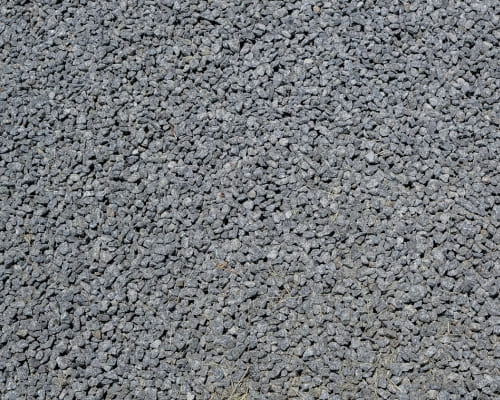
Honed concrete in Cranbourne is used almost entirely outdoors, on the surfaces that people walk on barefoot, sit beside and look at every day. The finish shows the stone in the mix like a cut stone paver, but it is one continuous slab with no joints for weeds or ants, and it can be shaped to curves and odd boundaries that pavers struggle with. Most honed work around Cranbourne falls into four groups: entertaining slabs, patios and courtyards, driveways, and paths. Pool surrounds are the other big use and have their own section further down this page.
Alfresco areas and outdoor entertaining slabs
An alfresco slab is where honed concrete earns its reputation. The surface is smooth enough for outdoor furniture to sit level and for a table to be dragged without catching, yet it does not have the slick, shiny look that a polished floor would have outside. The slab is poured slightly below the indoor floor level with a gentle fall away from the house, so rain driven under the roof runs off rather than toward the sliding door. Where a roof or pergola is planned, the post footings are poured with the slab so the posts sit on solid ground rather than on the finished surface.
Patios and courtyards
Smaller patios and courtyards on Cranbourne townhouse and estate blocks are often the first place an owner chooses a honed finish, because the area is small enough to keep the cost sensible and close enough to the house to be seen from the living room. Courtyards are usually boxed in by fences and walls, so drainage needs care: the fall is set toward a grated drain or a garden bed that can take the water, never toward the house. A honed courtyard also pairs well with planters and timber, as the matte stone surface reads as a natural material rather than plain grey concrete.
Honed concrete driveways
A honed driveway is possible and looks striking on a modern facade, but it is a heavier job than a honed alfresco slab. The driveway is built as a driveway first: around 100mm thick for cars, 125mm where heavier vehicles will use it, with SL72 or SL82 mesh, control joints at sensible spacings and a base compacted for the ground below. Only then is the cured surface honed. Because tyres carry grit and oil, the sealer and the honing depth are chosen with wear in mind, and on a sloping block the surface is finished to keep enough grip for wet mornings. Full driveway construction, crossovers and council consent are covered on the concrete driveways page.
Front paths and side access
Front paths are a popular way to carry the honed look from the driveway or porch to the front door, and side access paths often follow when the back yard is being done. Paths are usually poured 75mm to 100mm thick, and the honing is matched to the main slab so the stone and sheen look the same across every surface. Side paths along a house are a common place for water to pool on flat estate blocks, so the fall is set away from the wall and toward a drain or permeable garden strip, which also keeps moisture away from the slab edge on reactive clay.

Peak Concreting Cranbourne
How Honed Concrete Is Poured, Ground and Finished
Honed concrete is not a coating or a product applied to the surface. It is ordinary structural concrete, placed and cured properly, then ground back on site until the stone shows. Every stage before the grinder arrives decides how good the finish will look, because honing reveals the whole surface, including any pinholes, uneven stone or low spots left by the pour. The sequence below is the same whether the area is a small courtyard or a large pool surround.
Placing a mix with the stone chosen for honing
The look of honed concrete comes from the aggregate, so the mix is ordered with the stone the owner has chosen, either as a decorative aggregate batched through the whole mix or as stone seeded into the surface while the concrete is still plastic. A typical residential mix sits in the 25 to 32 MPa range, placed over a compacted base with mesh on bar chairs at the right cover. The slab is screeded and floated flat and dense, because a honed finish exposes the high and low spots that a brushed finish would hide. Control joints are planned where they will look intentional once the surface is ground.
Curing before the first grind
The slab has to gain strength before it is ground, otherwise the diamonds pluck the stone out instead of cutting through it. Concrete is cured for at least seven days and is often left longer before honing, depending on the weather and the mix. Cranbourne summers bring hot, dry and windy days, some above 40C, which pull moisture out of fresh concrete and cause plastic shrinkage cracks, so the slab is kept moist or covered with curing compound. Cool, wet winters slow strength gain, so the wait before grinding is longer at that time of year.
Diamond grinding passes from coarse to fine
Honing is done with a ride-on or walk-behind grinder fitted with diamond tooling. The first pass uses coarse metal-bond diamonds to cut through the cement paste and expose the stone to the chosen depth. Each following pass uses a finer grit to remove the scratches left by the one before, until the surface is smooth and even with a matte or soft satin look. The process stops well short of the fine resin-bond stages used on a polished floor, which is what keeps a honed surface grippy enough for outdoor use. Water is used to control dust, and the slurry is collected rather than washed into gardens or drains.
Grouting pinholes and finishing the edges
Once the stone is exposed, small air holes and voids in the surface become visible. A grout coat made from cement and fine material is worked into the surface to fill them, then ground back so the filled areas sit flush with the stone. Edges, corners and areas against walls are honed with smaller hand grinders, because a large machine cannot reach right to the edge. This is detail work, and it is where a honed slab either looks finished or looks patchy, so the edges are checked against the main surface before the sealer goes on.
Honing a new pour versus an existing slab
A new pour gives full control over the stone, the mix and the flatness, so it produces the most even honed finish. An existing slab can sometimes be honed, but the result depends on what is already inside it: plain grey concrete often contains small, dull stone, may have been finished unevenly, and can carry cracks or patches that grinding will show. A test area is ground first so the owner sees the real result before committing. Where an old slab is sound but the owner wants a new surface rather than a ground one, concrete resurfacing with an overlay is the other option.
Peak Concreting Cranbourne
Why Cranbourne Owners Choose Peak Concreting for Honed Concrete
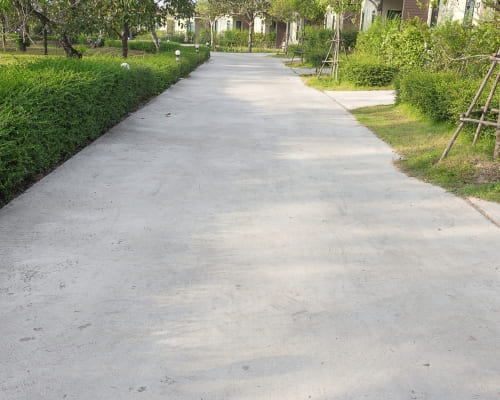
Honed concrete is less forgiving than a plain or broom finish. The stone, the flatness of the pour and the timing of the grind all show in the final surface, and a mistake cannot be hidden under a brushed texture. Owners around Cranbourne, Clyde North, Berwick and Pakenham who choose Peak Concreting for honed work are usually looking for one thing above all: a finished surface that matches what they were shown before the job started.
One crew pours and hones the same slab
When one business pours the slab and a different one hones it, problems at the grinding stage often get blamed on the pour, and the reverse. Here the same crew places the base, the mesh and the concrete, and then returns to hone and seal it, so the pour is finished with the grinding in mind. The screed is kept flat, the stone is placed evenly and the curing is managed for honing. If anything needs attention after the grind, there is one point of contact and no argument over whose work caused it.
Stone samples and a honed test area before booking
Honed concrete is chosen mainly on looks, and a brochure photo or a small sample board rarely shows how a whole slab will appear under outdoor light. Owners are shown real stone samples and examples of honed surfaces at different depths before choosing. On larger jobs, and whenever an existing slab is being honed, a test area is ground first so the depth, the stone and the sheen are approved on site. The full area is only honed once the owner has seen and agreed to that test.
Written quotes that itemise every stage
A honed concrete quote covers more stages than a plain slab: removal of anything already there, excavation and base, the mix and stone, steel, pouring, curing time, the number of grinding passes, grouting, edges and the sealer with its anti-slip additive. Each is listed in writing so owners can compare quotes properly and see where the money goes. Quotes also note the expected wait between pouring and honing, so nobody is surprised when the grinding crew arrives a week or more after the pour.
Peak Concreting Cranbourne
Honed Concrete Cost and Price Per Square Metre
Honed concrete is priced per square metre, and it sits at the upper end of residential concrete finishes. As a relative guide, plain broom-finished concrete costs the least, exposed aggregate sits above it, and honed concrete sits above exposed aggregate because the slab is placed with care and then ground on a separate visit. Honed concrete is usually a little cheaper than a fully polished floor, which takes more grinding passes. The honed concrete price for any job is only firm after a site visit, because the drivers below change from one block to the next.
Why honing costs more than a plain or broom finish
A broom finish is complete on the day of the pour: the concrete is floated, broomed, cured and done. A honed finish needs the same pour done to a higher standard of flatness, a decorative stone in the mix, a curing period, and then a second visit with grinding equipment, diamond tooling, water and slurry handling, grouting and sealing. That second visit is the main reason honed concrete costs more. It also explains why small areas cost more per square metre, as the grinding crew and machines have to come out regardless of how much area there is to hone.
Material, grinding time and sealer coats
Within a honed job, three things move the price the most. Decorative stone blends cost more than standard grey aggregate, and imported or coloured stone costs more again. Deeper honing, where more of each stone is exposed, takes more passes and more diamond wear. The sealer adds cost by the number of coats and by the anti-slip additive needed for pool surrounds and slopes. Owners who want the look at a lower cost often choose a local stone blend with a lighter hone, and keep the deeper exposure for the alfresco area where it is seen up close.
Area size, access and removing old concrete
Large open areas are the most efficient to hone, while narrow side paths, steps and lots of edges take more hand grinding. Access matters too: a pump may be needed to place concrete in a back yard with no truck access, and the grinding machines need a way in. If old concrete, pavers or turf have to be removed first, the breaking, removal and disposal are priced separately. Ground conditions add their own cost, with loose sand needing extra compaction and estate fill or the soft, peaty ground toward Koo Wee Rup sometimes needing a deeper base.
Peak Concreting Cranbourne
Honed Concrete Versus Polished, Exposed Aggregate and Plain Concrete
Honed concrete is often confused with the other decorative finishes because they all show stone. The difference is in how the stone is exposed and how smooth the final surface is, and that decides where each finish works best. The comparisons below are the ones owners ask about most when planning outdoor areas around Cranbourne.
Honed versus polished concrete
Honed and polished concrete start the same way, with a slab ground back by diamond tooling. Polishing then keeps going with finer resin-bond diamonds and a densifier until the surface reflects light, which suits indoor floors such as living areas and garages. Honing stops earlier, leaving a matte or satin surface with more texture, which is why honed concrete is the choice for outdoor areas that get wet. Interior ground and polished floors are covered on the polished concrete page, and the two finishes can be matched in stone so a polished living area flows out to a honed alfresco.
Honed versus exposed aggregate
Exposed aggregate is made by washing the cement paste off the top of fresh concrete, which leaves the rounded tops of the stones standing proud. It has strong grip and a pebbly texture, and it usually costs less than honing. Honed concrete cuts through the stones instead, leaving them flat and smooth, so the surface is easier on bare feet and easier to clean, with a more refined look. Owners who want maximum grip on a steep driveway often choose a washed finish, covered on the exposed aggregate concrete page, while honed suits alfresco and pool areas.
Honed versus plain broom-finished concrete
Plain concrete with a broom finish is the most economical surface and gives reliable grip, but it shows only grey cement paste and tends to look utilitarian. Honed concrete costs more and takes longer, but it turns the slab into a feature, with the stone visible and a smooth surface that feels finished. On many Cranbourne homes the two are mixed, with plain concrete on the side utility path and the area behind the shed, and a honed finish on the entertaining area and the front path where it is seen.
Honed concrete versus pavers and stone tiles
Pavers and natural stone tiles such as travertine are the usual alternative around pools and alfresco areas. They can be lifted and relaid, and some stone looks very natural, but joints can grow weeds, sand can wash out and individual pavers can rock or sink on poorly compacted ground, a real risk on loose sand and estate fill. Honed concrete is one continuous slab with only planned control joints, so it stays level and is simple to sweep and wash. Stone tiles laid on a concrete base usually cost more than a honed slab, while basic concrete pavers can cost less.
Peak Concreting Cranbourne
Honed Concrete Around Pool Surrounds, Coping and Steps
Honed concrete around pool areas is one of the most requested uses of the finish, because it gives a smooth, stone-look surface that is comfortable for bare feet and can be made slip-resistant with the right sealer. A pool surround is built around the pool shell and its coping, so the work is planned with the pool builder to suit the levels, the coping detail and the timing. Pool fencing, barriers and compliance are matters for the pool builder and the relevant authority, so this page covers the surround surface itself.
Why honed concrete suits pool surrounds
A pool surround needs a surface that drains well, stays comfortable underfoot, cleans easily and still looks good after years of sun and water. Honed concrete ticks those boxes: the flat-cut stones are smooth for bare feet, there are no sandy joints for water to wash out, and the matte finish looks like natural stone around the blue of the water. Unlike a washed exposed aggregate, it has no raised pebbles to catch toes or hold leaves, and unlike pavers it will not move as the ground under it changes with wet and dry seasons.
Falls and drainage away from the pool
Water on a pool surround has to run away from the pool, not into it, so that dirt, leaves and garden run-off stay out of the water. The surround is formed with a gentle fall from the coping toward the garden or toward grated drains, and the falls are checked before the pour so that honing does not change them. On flat estate blocks and the lower ground toward Cranbourne South, Devon Meadows and Pearcedale, drainage may need to be piped to a legal point of discharge rather than left to soak into the yard.
Coping edges, steps and bullnose finishes
The coping is the edge that wraps the top of the pool wall, and it is the part of the surround people sit on and hold when climbing out. With honed concrete it can be formed as a bullnose or square edge poured as part of the surround, or the surround can meet stone or precast coping set by the pool builder. Steps down into the garden or up to the house are honed to match, with the edges ground and rounded by hand so there are no sharp corners. The detail is agreed with the pool builder before the formwork goes up.
Barefoot comfort and surface heat
Any hard surface in full sun gets hot on a Cranbourne summer afternoon, and dark surfaces get hottest. Lighter stone blends and lighter cement reflect more sun and stay cooler underfoot than charcoal or dark grey mixes, so most owners choose a pale or mid-tone blend around a pool. The smooth, flat-cut stones of a honed surface are also kinder to bare feet than the raised pebbles of a washed finish. Shade from a roof or sail and a quick hose-down on hot days help as well, and the colour choice is best made with heat in mind, not just looks.
Peak Concreting Cranbourne
Slip Resistance, Sealing and Care of Honed Surfaces
A honed surface is smooth, so how it behaves when wet and how it is protected matter more than on a broom-finished slab. The sealer does two jobs on honed concrete: it protects the exposed stone and cement from stains, and it provides much of the grip through anti-slip additives. Getting both right is what lets honed concrete be used safely around water and on sloping ground.
How slip-resistant honed concrete is when wet
Honed concrete is not as slippery as polished concrete, because the surface is left with a matte texture rather than a reflective one, but it is smoother than broom-finished or washed aggregate concrete. Slip resistance depends on the honing depth, the stone, the sealer and whether the surface is kept clean. In Australia, slip resistance of walking surfaces is tested and classified under AS 4586, and sealer suppliers can state how their anti-slip products perform on a honed surface. Owners planning a pool surround or a sloped area are told this at the quote stage so the finish is chosen for grip as well as looks.
Anti-slip additives in the sealer
The most common way to add grip to a honed surface is a fine anti-slip grit mixed into the sealer. The grit sits in the sealer film and gives the surface a slight texture that bare feet and shoes can grab, while still looking smooth from standing height. The amount of grit is matched to the area: more on pool surrounds, steps and sloped paths, less on a covered alfresco where water rarely sits. The grit wears with traffic over time, which is one reason honed areas are resealed every few years.
Penetrating versus film-forming sealers
Penetrating sealers soak into the concrete and stone and repel water and oil from inside, leaving the natural matte look almost unchanged, but they cannot carry anti-slip grit on the surface. Film-forming sealers, such as acrylics and polyurethanes, sit on top, can enhance the stone colour with a slight wet look, and carry the anti-slip additive. Around pools, the sealer also has to stand up to splashed chlorinated or salt water. The choice is explained in plain terms at the quote, and the full range of products is covered on the concrete sealing page.
Cleaning, stains and resealing
Day to day, a honed surface needs little more than sweeping and a hose or gentle pressure wash. Spills such as oil, wine or barbecue fat should be wiped up quickly, because they can mark the stone if they sit, even on a sealed surface. Harsh acids should be kept off, as they etch cement and some stone. Most honed outdoor areas need resealing every few years, depending on sun, traffic and pool water, and resealing restores both the protection and the anti-slip grip. Signs that it is due include water no longer beading and the surface darkening when wet.
Peak Concreting Cranbourne
Honed Concrete Colours, Aggregate Blends and Honing Depth
Honed concrete colours come mainly from the stone and the cement, not from paint or pigment. The finished look depends on three choices: the aggregate blend, the colour of the cement or binder that surrounds it, and how deep the surface is honed. These choices are made together, ideally standing on the site in daylight with samples in hand, because the same blend can look quite different against cream render than against dark brick.
Light, dark and mixed aggregate blends
Light blends use white, cream and pale quartz stone and give a bright, clean surface that stays cooler in the sun, which is why they are popular around pools. Dark blends use basalt, charcoal and black stone for a bold, modern look, but they show dust and get hotter. Mixed blends combine light and dark stones in a speckled, granite-like pattern that hides everyday dirt well and suits most homes. Coloured oxide can also be added to the base mix to warm or deepen the cement around the stone, a pigment choice made before the pour.
How much stone shows at each honing depth
A light hone takes off only the top layer of cement paste and shows small specks of stone, a look sometimes called salt and pepper. A medium hone goes deeper and shows a mix of small and medium stone pieces across the surface. A full hone cuts deep enough to show large cross-sections of stone, giving the richest stone look and the most work. Deeper honing costs more because it takes more grinding passes, and it also depends on the stone being placed evenly near the surface during the pour, which is why the depth is chosen before the concrete is ordered.
Choosing a blend to suit the house and pool tiles
The best blend is chosen against what is already there: the render or brick of the house, the roof, the window frames and, around a pool, the waterline tiles and interior colour of the pool. Warm cream and honey stone suits sandstone render and timber, while grey and charcoal blends suit modern facades with black frames. A pale surround with a light pool interior gives a resort feel, while a mid-grey blend frames a dark pool. Samples are laid next to the house and the pool before ordering, so the choice is made in real light rather than from a photo.
TESTIMONIALS
What Our Honed Concrete Customers Say About Us
The Process
3 Step Process For Your Honed Concrete Needs

1. Free On-Site Assessment and Quote
Every job starts at the property. The area is measured, the existing concrete or bare ground is checked for movement, drainage and access, and the finish and budget are talked through on site. A fixed, itemised written quote follows, listing the preparation, the concrete or overlay system, the finish and the sealer, with any variation agreed in writing before work starts. There is no pressure and no obligation. Call 0485 032 128 to book an assessment.

2. Preparation, Then the Pour or Overlay
Once the quote is agreed, the site is prepared for the ground it sits on. For new concrete that means excavation, a compacted base, formwork, reinforcement and control joints set out to suit sandy Cranbourne soil, reactive clay or engineered fill. For repairs and resurfacing it means cleaning, grinding and fixing cracks before anything new goes down. The concrete or overlay is then placed and finished, with the timing set around heat, wind and rain.

3. Curing, Clean-Up and Handover
New concrete and overlays are cured before they carry any real load, which is what gives them their strength and limits surface cracking. Formwork is removed, the site is cleaned, and the handover covers when the surface can be walked on, driven on and washed, and how and when it should be resealed.
Honed Concrete in Cranbourne
FREQUENTLY ASKED QUESTIONS
Everything you need to know about our Honed Concrete in Cranbourne
What is honed concrete?
Honed concrete is a concrete slab that has been ground back with diamond tooling after it has cured, exposing the stone inside the mix and leaving a smooth, matte or satin surface. It looks similar to a cut stone paver but is one continuous slab. It is mostly used outdoors on pool surrounds, alfresco areas, patios, paths and driveways. A sealer is applied at the end to protect the surface and add grip.
How much is honed concrete per m2?
Honed concrete is priced per square metre and sits above plain and exposed aggregate concrete, and usually a little below fully polished concrete. The final price depends on the stone blend, how deep the surface is honed, the size and shape of the area, access, any removal of old concrete, and the sealer and anti-slip additive. Small areas cost more per square metre because the grinding crew and equipment still have to attend. A firm price is given in writing after a site visit.
Is honed concrete slippery when wet?
Honed concrete is smoother than broom-finished or washed exposed aggregate concrete, but it is not as slick as polished concrete because the surface is left matte. Its grip when wet depends on the honing depth, the stone, the sealer and keeping the surface clean. For pool surrounds, steps and slopes, an anti-slip additive is mixed into the sealer to give extra grip. The additive wears over time and is renewed when the surface is resealed.
Is honed concrete around a pool a good idea?
Honed concrete is a popular choice around pools because it is smooth for bare feet, has no sandy joints to wash out, and gives a natural stone look. It needs to be laid with falls away from the pool and sealed with an anti-slip sealer that suits splashed chlorinated or salt water. Lighter stone blends are usually chosen because they stay cooler in summer sun. Coping, steps and levels are planned with the pool builder before the pour.
Is honed concrete cheaper than polished concrete?
Honed concrete is usually a little cheaper than polished concrete because it stops after fewer grinding passes and does not go through the fine resin-bond stages used for a high sheen. The two are used in different places, though: honed concrete is made for outdoor surfaces that get wet, while polished concrete suits indoor floors. The stone, the area size and the sealer have a bigger effect on the price than the choice between the two. Matching the stone allows a polished living area to flow into a honed alfresco.
Can an existing concrete slab be honed?
Some existing slabs can be honed, but the result depends on what is already in the concrete. Older plain slabs often contain small, dull stone and may have uneven finishing, cracks or patches that grinding will reveal rather than hide. A test area is ground first so the owner can see the real result before the whole slab is done. Where honing would not give a good finish, a new pour or an overlay is the better option.
Request A Free Honed Concrete Quote
BUSINESS
SERVICES
OPERATING HOURS
Sun: 7:00am - 9:00pm
Mon: 7:00am - 9:00pm
Tue: 7:00am - 9:00pm
Wed: 7:00am - 9:00pm
Thu: 7:00am - 9:00pm
Fri: 7:00am - 9:00pm
Sat: 7:00am - 9:00pm