Concrete Sealing Cranbourne That Protects Driveways and Decorative Finishes
Concrete sealing puts a protective treatment into or onto a slab so it resists water, oil, stains and weathering, and so a decorative finish keeps its colour. Around Cranbourne the work splits two ways: first seals on new driveways, paths and alfresco slabs across the growth estates, and resealing on older exposed aggregate, coloured and plain driveways whose original coat has worn away. The right product depends on the surface. A penetrating silane or siloxane sealer soaks in and leaves no film, a topical acrylic or polyurethane sealer sits on top and deepens the colour, and a tinted sealer brings back faded concrete. Peak Concreting Cranbourne cleans, prepares and seals concrete across the City of Casey and Cardinia Shire, and the written quote names the sealer, the number of coats and any stripping needed. Call 0485 032 128 for a free on-site quote on concrete sealing.
GET A FREE QUOTE
Peak Concreting Cranbourne
Concrete Sealing Cranbourne: Penetrating, Topical and Colour Sealers
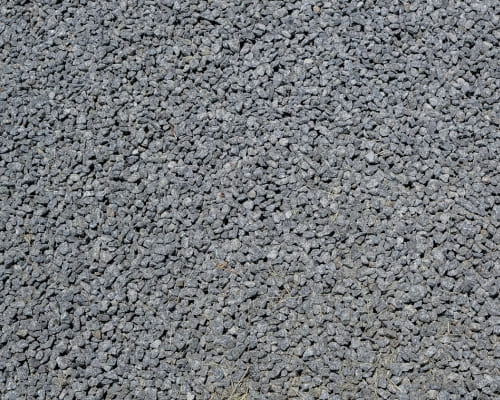
Concrete sealing in Cranbourne starts with one decision: whether the sealer should soak into the concrete or form a coating on top of it. Penetrating sealers stay below the surface and leave the slab looking much as it did. Topical sealers build a thin film that protects the surface, deepens the colour and can be finished matt, satin or gloss. Colour sealers are topical sealers with pigment added. Each family has a job it does well and a job it does badly, so the product is chosen for the surface, the traffic and the look wanted, not the other way round.
Penetrating silane and siloxane sealers
Silane and siloxane sealers, often called impregnating sealers, are thin liquids that soak into the pores of the concrete and react there to line them with a water-repellent layer. Water beads on the surface instead of soaking in, which reduces staining from dirt, leaf tannins and mildew and slows the damage that repeated wetting does over the years. Because nothing sits on top, they do not change the colour or sheen of the slab, they are not slippery, and they do not peel or scratch. They also let water vapour escape from below, which matters on damp ground. Their weakness is oil: a basic silane or siloxane repels water far better than it repels oil, so on a driveway a product with an added oil-repellent component is specified.
Solvent-based and water-based acrylic sealers
Acrylic sealers are the most common topical sealers on Australian driveways and decorative concrete. Solvent-based acrylics penetrate a little further into the surface, darken and enrich the colour more strongly and give the classic wet look on exposed aggregate and coloured concrete. They wear better under vehicles than most water-based products but carry a strong odour during application. Water-based acrylics are low in odour and easier to apply around a home, but they usually give less colour enhancement and a thinner film that wears through sooner on a busy driveway. Either type is a sacrificial coat: it takes the wear, fades in the sun and is renewed every few years.
Polyurethane and epoxy coatings
Polyurethane sealers form a harder, tougher film than acrylics, with better resistance to abrasion, chemicals and hot tyres, so they suit garage floors, workshop slabs and heavily used driveways. Aliphatic polyurethanes hold up in sunlight without yellowing, and they are slippery when wet unless an anti-slip additive goes into the final coat. Epoxy coatings are tougher again and bond strongly to bare concrete, but most epoxies discolour and chalk in direct sun, so they are mainly used indoors on garage and shed floors, often with a polyurethane topcoat. On an outdoor Cranbourne driveway in full summer sun, an epoxy is rarely the right answer.
Tinted and colour sealers for faded concrete
A concrete colour sealer is a topical acrylic with pigment mixed through it. A semi-transparent tint refreshes coloured concrete that has faded in the sun while still letting some of the surface show through, and a more heavily pigmented tint can even out patchy colour or blend a newer section of slab with an older one. Tinted sealers are a common fix for coloured driveways poured years ago that have gone pale and blotchy. They are a surface treatment, so the colour wears with the sealer and comes back at each reseal, and the tint is matched on a sample area before the whole surface is coated.
Matt, satin and wet-look finishes
Topical sealers come in a range of sheens. A matt finish looks closest to raw concrete and shows scuffs and tyre marks least. A satin finish adds a soft sheen and a little colour depth. A gloss or wet-look finish gives the strongest colour and makes stone and pigment stand out, but it shows wear more readily and is the most slippery when wet. Penetrating sealers have no sheen at all. On a sloping driveway or a path near the house, the choice of sheen goes hand in hand with an anti-slip additive, because a higher gloss nearly always needs one.
Peak Concreting Cranbourne
How Concrete Is Prepared and Sealed for a Lasting Finish
Most sealer failures come from the preparation and the conditions, not the product. A sealer applied over dust, oil, an old coating or a damp slab will whiten, peel or wear through early, however good the tin says it is. The process below applies whether the concrete is new, decades old or due for a reseal.
When new concrete is ready for its first seal
New concrete keeps releasing moisture for weeks after it is poured. Most topical acrylic sealer manufacturers ask for the slab to cure for around 28 days before the first coat, because sealing earlier can trap that moisture and leave a cloudy white film. Some penetrating sealers and curing-and-sealing compounds are designed to go on much earlier, and the product data sheet decides the timing. On the new driveways and alfresco slabs going in across Cranbourne North, Cranbourne West and Clyde North, the first seal is usually booked as a separate visit once the slab has cured, rather than on the day of the pour.
Cleaning, degreasing and drying the surface
The slab is pressure cleaned to remove dirt, moss, efflorescence and loose material, and oil or fuel stains are treated with a degreaser or poultice so they do not bleed through the sealer. On older concrete, any failed sealer is removed first, which is covered further down the page. The surface then has to dry fully, because water left in the pores stops a topical sealer bonding and turns it milky. After a wet Cranbourne winter week, or on low-lying ground where the slab stays damp, that drying time can be the longest part of the job.
Applying thin, even coats by roller or spray
Sealer goes on in thin coats, usually two, by low-pressure sprayer and roller so it is spread evenly without puddles or roller marks. Thin coats bond and cure properly, while a single heavy coat tends to stay soft, trap solvent and bubble. Edges, joints and areas against walls are cut in by brush. Weather sets the timing: on hot, dry, windy days, which Cranbourne summers bring with some days above 40 degrees, a sealer can skin over too fast and leave bubbles and lap marks, so work is done early in the day or moved. Cool, damp days slow drying and risk blushing.
Anti-slip additives for wet and sloping surfaces
A topical sealer makes concrete smoother, and smooth concrete is slippery when wet. An anti-slip additive is a fine grit, such as polymer beads or aluminium oxide, mixed into the final coat to restore grip without changing the look much. It is specified as standard on sloping driveways, pool surrounds, entry paths and steps, and on any surface finished in satin or gloss. The amount is a balance between grip and ease of cleaning, so a test area shows how the surface feels underfoot before the whole job is coated.
Drying times before foot and car traffic
Most sealers are touch dry within hours and take foot traffic the same day or the next, but they need longer to harden before cars go on them. Driveways are usually kept clear of vehicles for a few days, and longer in cool weather, so tyres do not mark the soft film. Penetrating sealers carry less risk of marking but still need time to react inside the pores before heavy rain. The handover notes state when the surface can be walked on, driven on and washed, based on the product used and the weather on the day.
Peak Concreting Cranbourne
Why Cranbourne Owners Use Peak Concreting for Concrete Sealing
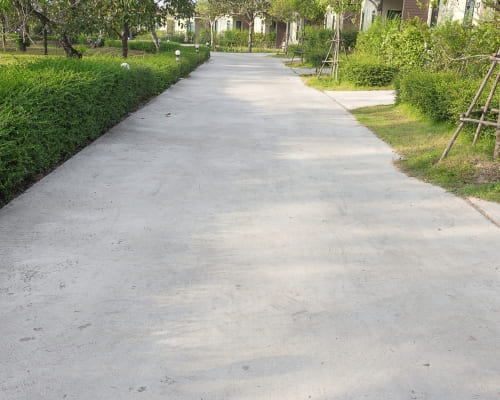
Peak Concreting Cranbourne pours and finishes concrete as well as sealing it, so the crew knows how each surface was made and what it needs. That matters on sealing more than most jobs, because the wrong sealer on the right slab fails just as quickly as no sealer at all.
A sealer matched to the surface, not one product for every job
A sealing-only operator often carries one product and uses it on everything. A penetrating sealer is chosen where grip, breathability or an unchanged look matter most, a solvent acrylic where an exposed aggregate or coloured driveway needs its colour lifted, and a polyurethane where a garage floor takes hot tyres and spills. Older plain driveways around established suburbs such as Hampton Park are treated differently from a new exposed aggregate driveway in a Clyde North estate, and the product choice is explained at the site visit so the owner knows why it was picked.
Written quotes that name the sealer, coats and preparation
Every quote follows a site visit and lists the cleaning method, any stain treatment, whether old sealer has to be stripped, the sealer type and sheen, the number of coats, any anti-slip additive and the drying time before cars go back on. Two sealing quotes can look similar on price while one includes stripping and two coats and the other is a single coat over a dirty surface. An itemised quote lets the two be compared on the work actually being done.
Honest advice when a slab needs repair before sealing
Sealer protects a sound surface. It does not fix cracks that are still moving, sunken sections or broken edges, and on the reactive clay and estate fill common around Cranbourne, a slab that is still moving will keep cracking under any coating. Where a crack, spall or trip edge needs attention first, the quote says so and points to concrete crack repairs before the seal goes on. Where a slab is too far gone for a sealer to make a real difference, that is stated plainly rather than sold as a reseal.
Peak Concreting Cranbourne
What Concrete Sealing Costs in Cranbourne
Concrete sealing is one of the more affordable concrete jobs, priced per square metre after a site visit, because the condition of the surface decides how much preparation goes in before the first coat. As a general ordering, a penetrating sealer on a clean new slab sits at the lower end, a two-coat acrylic sits in the middle, a tinted or polyurethane system costs more, and any job that needs old sealer stripped costs considerably more again. Sealing still costs far less than resurfacing or replacing the concrete it protects.
How a per square metre sealing price is built
The rate covers cleaning, stain treatment, the sealer itself, the number of coats, any anti-slip additive and labour. Area has a large effect: set-up and cleaning time are spread across fewer metres on a small path than on a double driveway with a crossover, so smaller jobs carry a higher rate per metre. Access, edges and steps to cut in, and whether furniture or pot plants have to be moved also count. A quote should show these items so the price can be checked against the work.
Surface condition, stains and previous coatings
A clean, never-sealed slab is the quickest to seal. Heavy oil staining adds degreasing and poultice time, moss and mildew on shaded paths add cleaning time, and efflorescence has to be washed off before any coat goes on. The biggest cost driver is an old coating. A sound acrylic of the same type can often be cleaned and recoated, but a peeling, whitened or incompatible sealer, or a layer of driveway paint, has to be stripped back to bare concrete first, which can take longer than the sealing itself.
Cheaper sealers that cost more over time
Supermarket and hardware store sealers are cheaper per litre, and some are good products, but low-solids sealers go on thin and wear through quickly on a driveway. A soft sealer on a busy driveway can need redoing every year or two, while a well-chosen product applied in two proper coats lasts considerably longer. The real cost of sealing is the price per coat divided by the years it lasts, plus the cost of stripping it if it fails badly, so the cheapest quote is not always the cheapest outcome.
Peak Concreting Cranbourne
Sealing Versus Painting, Resurfacing or Leaving Concrete Bare
Sealing is not the only way to protect or refresh concrete, and sometimes it is not the best one. The choice comes down to the condition of the slab and what the owner wants it to look like.
Concrete driveway paint compared with a sealer
Concrete driveway paint, sold as paving or driveway paint, is an opaque coloured coating that hides the concrete completely. It is cheap to buy and can tidy up a stained plain driveway, but it forms a film that tends to peel under hot tyres, wears through where cars turn and can be slippery when wet. Once painted, a driveway has to be repainted or stripped, and it can no longer be sealed in its natural look until the paint is removed. A clear or tinted sealer keeps the look of the concrete and its texture, wears more evenly and is renewed without stripping when the same type is reapplied. Paint suits a quick cosmetic fix on plain concrete; a sealer suits concrete worth showing.
When resurfacing is the better answer
A sealer protects the surface that is already there. If that surface is worn through, scaled, heavily patched or deeply stained, a sealer will protect it but will not hide it. Concrete resurfacing adds a new cementitious wearing layer over a sound slab, which is then sealed, and it is the better choice when the problem is the look and wear of the surface rather than its protection. Resealing costs much less, so it is the first option to rule out on any slab whose finish is still in reasonable condition.
What happens to concrete that is never sealed
Plain grey concrete can be left unsealed and still last for decades, which is why many older driveways around Cranbourne have never been sealed. Unsealed concrete soaks up oil, tyre marks, leaf stains and mildew, and water carries dirt into the pores so the surface darkens and becomes harder to clean. Decorative finishes suffer more: coloured concrete fades unevenly in the sun and exposed aggregate loses its colour and can shed stones at the edges. Sealing slows all of this, and it is far easier to keep a sealed slab clean than to recover a stained one.
Peak Concreting Cranbourne
Driveway Sealing Cranbourne: Oil, Hot Tyres and the Best Driveway Sealer
Driveway sealing in Cranbourne is the most common sealing job, because driveways take tyres, oil, sun and rain every day and are the first surface seen from the street. A driveway sealer has to resist more than any other outdoor sealer, so the product, the number of coats and the curing time before cars go back on are all chosen with vehicles in mind. Owners whose driveway was poured as part of a new build often find the builder never sealed it, while older driveways may have a coat that wore away years ago.
The best driveway sealer for vehicle traffic
There is no single best driveway sealer in Australia, but there is a best type for each driveway. A plain concrete driveway that should keep its natural look is well served by a penetrating sealer with an oil-repellent component. An exposed aggregate or coloured driveway that needs its colour lifted suits a solvent-based acrylic in two coats. A driveway with heavy use or where hot-tyre marking has been a problem may need a harder polyurethane-modified sealer. Brand matters less than the type, the solids content and whether it is applied thin, in two coats, to a clean dry slab.
Oil, fuel and stain resistance
Oil is the stain driveways collect most. A topical sealer stops oil soaking in long enough for it to be wiped or washed off, while an unsealed slab absorbs it within minutes. Penetrating sealers vary: some repel water but let oil through, so a driveway needs one rated for oil resistance. Existing oil stains are drawn out before sealing, because a sealer laid over a stain locks it in for good and can lift in that patch. Brake fluid, fuel and some cleaners attack softer sealers, which is another reason a driveway product is chosen carefully.
Hot-tyre pickup on soft sealers
Hot-tyre pickup is the black marking or lifting of a sealer where tyres stop and turn. Tyres heat up on the road, and on a hot Cranbourne summer afternoon a soft acrylic can soften under them, take the rubber's mark or even peel away with the tyre. It is a sign of a sealer too soft for vehicle traffic, a coat laid too thick, or a sealer driven on before it hardened. The fix is a harder driveway-rated sealer at the right thickness and enough curing time before cars return, not more coats of the same soft product.
Pros and cons of sealing a concrete driveway
The advantages are easier cleaning, resistance to oil and stains, protection against weathering, and, on decorative driveways, richer colour that holds up in the sun. The drawbacks are that a topical sealer has to be renewed every few years, a gloss coat is slippery without an anti-slip additive, and a poorly applied sealer can whiten, peel or mark, which is harder to fix than an unsealed slab. For most exposed aggregate and coloured driveways the advantages clearly win. For a plain driveway the case is closer, and a penetrating sealer is often the low-maintenance middle ground.
Peak Concreting Cranbourne
Sealing Exposed Aggregate, Coloured, Stamped and Honed Concrete
Decorative concrete is where sealing does the most work, because the finish that was paid for is the part the sealer protects. Each finish has its own page covering how it is made; this section covers how each one is sealed and resealed.
Exposed aggregate: locking in the stone and lifting its colour
An exposed aggregate driveway has the stone in the mix uncovered at the surface, and the sealer has two jobs: to help bind the exposed stones into the paste so the edges do not ravel, and to bring out the colour of the stone. A solvent acrylic gives the deepest colour and the familiar wet look, while a penetrating sealer protects the surface with a natural, dry appearance. Exposed aggregate driveways that have gone dull and grey usually need a clean and two fresh coats rather than any repair.
Holding colour on coloured and stamped surfaces
Coloured concrete and stamped concrete rely on a topical sealer to hold their colour against the sun and to protect the textured surface from stains. Stamped surfaces are usually sealed after the release agent is washed off, and the sealer fills the low points of the pattern, so it is rolled and back-brushed to stop it pooling in the grout lines. When the colour fades, a tinted reseal brings it back without recolouring the concrete itself. Because these surfaces are smoother and often sloped, an anti-slip additive is standard in the final coat.
Honed surfaces and pool surrounds
Honed concrete and pool surrounds are walked on barefoot and are often wet, so grip and heat come before shine. A penetrating sealer is often preferred because it leaves no film to make the surface slippery, and where a topical sealer is wanted for colour or stain resistance it is a matt finish with anti-slip grit. Pool chemicals, salt chlorinators and constant splash-out are hard on sealers, so pool surrounds are generally resealed more often than driveways, and the sealer stops cleanly at the coping.
Sealing old concrete for the first time
Concrete that has been unsealed for years can still be sealed. The surface usually needs a heavier clean to remove embedded dirt, mildew and efflorescence, and old oil stains are treated before anything goes on. Weathered concrete is more porous than new, so it may soak up a first coat and need a second or third to build protection. If the slab has been painted or coated in the past, that coating has to come off first. Many older driveways in established parts of Cranbourne have never been sealed, and a first seal is often the cheapest way to make them easier to keep clean.
Peak Concreting Cranbourne
Resealing Concrete: How Often, Failed Sealers and Stripping
Every topical sealer wears away, and resealing before it is fully gone is cheaper than stripping and starting again. Knowing when to reseal, and when to strip first, keeps the cost of a sealed surface low over its life.
How often concrete needs resealing
As a general guide, topical acrylic sealers on driveways are renewed every two to three years, paths and patios last a little longer, and pool surrounds often need it sooner. Penetrating sealers last longer between applications and fade out of the slab rather than peeling. Cranbourne summers bring hot, dry and windy days with strong sun, which breaks down topical sealers faster on north-facing driveways. Properties near Western Port Bay, such as Tooradin and Pearcedale, sit on low-lying ground with a high water table, and close to the bay the slab is exposed to moisture from below and above, which favours a breathable sealer and regular checks. A simple test is to splash water on the surface: if it soaks in and darkens the concrete instead of beading, it is time to reseal.
Signs a sealer has failed: whitening, peeling and wear
Worn sealer shows as dull patches where cars turn and people walk. Failed sealer shows differently. Whitening or a milky haze, called blushing, means moisture is trapped under the film, often from sealing a damp slab or from water rising through the ground, which happens more on low-lying, poorly drained sites such as parts of the Koo Wee Rup lowlands. Peeling and flaking mean the sealer lost its bond, usually because it went over dust, an old incompatible coat or a slab that was too wet. Some blushing can be cleared by re-dissolving a solvent acrylic, but peeling and widespread whitening mean stripping.
Stripping old sealer before a reseal
A sound sealer of the same type can be cleaned and recoated. A failed, peeling or incompatible coat has to be removed first, because new sealer only bonds as well as the layer beneath it. Stripping is done with a chemical stripper that softens the old film so it can be scrubbed and washed off, or by grinding where the coating is thick or the surface is being prepared for a different system. Water-based sealers generally should not go over solvent-based ones, or the other way round, without testing. Stripping is the slowest and most expensive part of any resealing job, which is why resealing on time is cheaper than letting a coat fail completely.
TESTIMONIALS
What Our Concrete Sealing Customers Say About Us
The Process
3 Step Process For Your Concrete Sealing Needs

1. Free On-Site Assessment and Quote
Every job starts at the property. The area is measured, the existing concrete or bare ground is checked for movement, drainage and access, and the finish and budget are talked through on site. A fixed, itemised written quote follows, listing the preparation, the concrete or overlay system, the finish and the sealer, with any variation agreed in writing before work starts. There is no pressure and no obligation. Call 0485 032 128 to book an assessment.

2. Preparation, Then the Pour or Overlay
Once the quote is agreed, the site is prepared for the ground it sits on. For new concrete that means excavation, a compacted base, formwork, reinforcement and control joints set out to suit sandy Cranbourne soil, reactive clay or engineered fill. For repairs and resurfacing it means cleaning, grinding and fixing cracks before anything new goes down. The concrete or overlay is then placed and finished, with the timing set around heat, wind and rain.

3. Curing, Clean-Up and Handover
New concrete and overlays are cured before they carry any real load, which is what gives them their strength and limits surface cracking. Formwork is removed, the site is cleaned, and the handover covers when the surface can be walked on, driven on and washed, and how and when it should be resealed.
Concrete Sealing in Cranbourne
FREQUENTLY ASKED QUESTIONS
Everything you need to know about our Concrete Sealing in Cranbourne
Is sealing concrete a good idea?
Sealing is a good idea for most outdoor concrete, and especially for exposed aggregate, coloured and stamped finishes, because it protects the colour and makes the surface far easier to clean. It also slows staining from oil, leaves and mildew and reduces the damage from repeated wetting. Plain grey concrete can be left unsealed, but it stains more easily and becomes harder to keep clean. The main commitment is upkeep, since a topical sealer has to be renewed every few years.
Can concrete sealer be applied as a DIY job?
Sealers sold at hardware stores can be applied by an owner, and a small, clean, never-sealed path is a reasonable DIY job. The common problems come from preparation and conditions: sealing a dirty or damp slab, laying one thick coat instead of two thin ones, or putting a different type of sealer over an old one. These cause whitening, peeling and hot-tyre marks that are harder to fix than an unsealed surface. Driveways, decorative finishes and anything needing stripping are usually better done with commercial equipment and products.
How long should new concrete be left before sealing?
Most topical acrylic sealers need the concrete to cure for around 28 days, so moisture in the new slab can escape before the film goes on. Sealing too early can trap that moisture and leave a cloudy white haze. Some penetrating sealers and cure-and-seal products are designed to be applied much earlier, and the product data sheet sets the timing. In cool, damp weather the slab may need longer to dry even after the curing period.
What is the best concrete sealer in Australia?
The best concrete sealer depends on the surface rather than the brand. A penetrating silane or siloxane suits plain concrete, honed surfaces and pool surrounds where grip and a natural look matter. A solvent-based acrylic suits exposed aggregate and coloured driveways where colour enhancement matters. A polyurethane suits garage floors and heavy-use areas. The solids content, the number of coats and the preparation make a bigger difference to how long it lasts than the name on the tin.
Can sealer be applied to old concrete?
Old concrete can be sealed, including driveways that have never been sealed before. It needs a thorough clean to remove embedded dirt, mildew, efflorescence and oil, and any old paint or failed sealer has to be stripped first. Weathered concrete is more porous, so a first seal may need an extra coat. Cracks that are still moving should be repaired before sealing, because a sealer protects the surface but does not stop the slab moving.
How much does concrete sealing cost per square metre in Cranbourne?
Concrete sealing in Cranbourne is quoted per square metre after a site visit, because cleaning, stain removal and any stripping vary from one surface to the next. A penetrating sealer on a clean new slab is usually the most economical, a two-coat acrylic costs more, and tinted or polyurethane systems more again. Jobs that need an old coating stripped cost considerably more. Small areas carry a higher rate per metre than large driveways.
Request A Free Concrete Sealing Quote
BUSINESS
SERVICES
OPERATING HOURS
Sun: 7:00am - 9:00pm
Mon: 7:00am - 9:00pm
Tue: 7:00am - 9:00pm
Wed: 7:00am - 9:00pm
Thu: 7:00am - 9:00pm
Fri: 7:00am - 9:00pm
Sat: 7:00am - 9:00pm