Concrete Clyde: Local Concreters Finishing New Estate Homes
Clyde is a City of Casey suburb in postcode 3978, about 9 kilometres from Cranbourne and 48 kilometres south-east of the Melbourne CBD. Once a small farming township on the old South Gippsland railway, it had grown to more than 11,000 residents by the 2021 census, and the council's Clyde Creek precinct plans for thousands more homes. Concrete work here is mostly new: driveways, crossovers, paths and alfresco slabs once the builder hands over, exposed aggregate frontages, and shed and carport slabs. Most of the new lots sit on reactive clay, often cut and filled during the subdivision, so every job starts with a compacted base, the right steel and well placed control joints. Call 0485 032 128 for a free on-site quote.
GET A FREE QUOTE
OUR STORY
Concrete Clyde: Plain Driveways, Paths and Alfresco Slabs After Handover
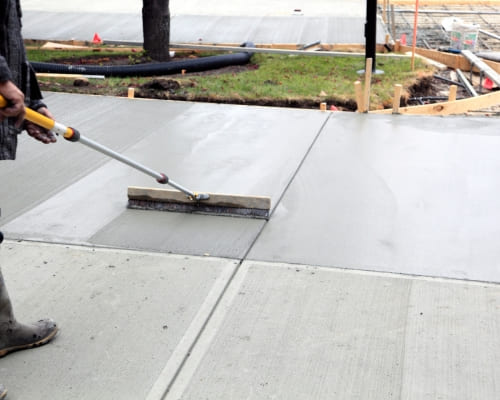
Most concrete poured in Clyde goes around a house that has only just been finished. A volume builder usually hands over a home with the garage slab and the house slab done, and very little else: the front yard is bare clay, the side paths are missing and the back door opens onto dirt. The owner then has a list of jobs to finish before the place works day to day, and concrete sits at the top of it. A driveway and crossover come first, followed by paths around the house and an outdoor slab at the back. Plain broom-finished concrete is the most common choice for these first jobs, because it is hard wearing, quick to lay and the least expensive surface for the area it covers. Doing the driveway, paths and alfresco in one visit also means one excavation, one base and one set of levels, so the surfaces meet cleanly at the corners of the house.
Driveways and crossovers after the builder leaves
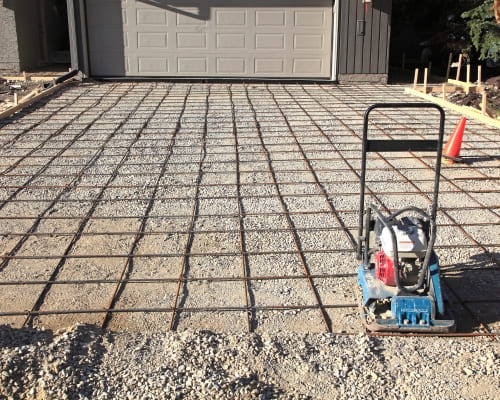
A new driveway in Clyde runs from the garage door to the footpath and usually includes the crossover, the section between the footpath and the kerb. The builder's finished floor level and the kerb height fix the two ends, so the slab is set out to fall gently away from the garage and towards the street. A residential driveway is normally 100mm thick on a compacted crushed rock base with reinforcing mesh, and thicker where heavier vehicles are expected. The crossover sits in the road reserve, so the City of Casey's requirements for vehicle crossings are checked before the formwork goes in, and the existing kerb is cut or replaced to suit. Concrete driveways on new lots are often poured in two stages so the crossover can be inspected or matched to the footpath.
Side paths, bin pads and clothesline paths
The narrow strip down each side of a new house is where water and mud collect first. A side path keeps the bins on firm ground, gives a dry walk to the clothesline and the back gate, and stops rain splashing soil up against the bricks. Paths are kept below the weep holes and the damp proof course and given a fall away from the wall, either towards the garden or towards a grated drain linked to the stormwater. Where a side path runs past a gas or water connection box, the slab is formed around it so the fittings stay accessible. Wider bin pads beside the garage, and a small pad for a water tank or air conditioning unit, are usually poured the same day as the paths.
Alfresco and patio slabs off the living area
Many new homes in Clyde have a covered alfresco under the main roof that the builder leaves as a small slab or as bare ground. Extending it into an outdoor living area is one of the most requested jobs in the suburb. The new slab is set just below the internal floor so wind-driven rain does not reach the sliding door, and it falls gently away from the house. Where the extension meets the builder's slab, a joint is formed so the two can move independently, because they were poured at different times on ground that will keep moving. Posts for a future pergola or roof are planned before the pour, so footings can be dug and set at the same time rather than cut into a finished slab later.
SERVICES WE OFFER IN Clyde
Exposed Aggregate Clyde: Stone Finishes for New Estate Frontages
Exposed aggregate is the decorative finish most often chosen for the front of a new Clyde home. Once the slab is placed and finished, the surface paste is washed or treated so the stones in the mix show through, giving a textured, non-slip surface that hides tyre marks and dust far better than plain grey concrete. On an estate street where many homes were built in the same few years, the driveway is one of the few things an owner can use to make the frontage look finished and individual. The structure under the stone is the same as any driveway, so the base, steel and joints are designed first and the finish second. Full detail on mixes and methods is on the exposed aggregate concrete page.
Choosing a stone blend to suit a new facade
Stone blends range from pale quartz and creamy river pebbles to charcoal and mixed earthy tones, and the choice is usually made by standing samples against the brick, render and roof colour of the house. A lighter blend reads as clean and modern against grey or white render, while a darker or mixed blend suits red or brown brick and hides dirt from the clay that every new street carries for a few years. The stone size matters as well: a smaller aggregate gives a finer, more even look, while a larger stone looks bolder but can feel rougher underfoot on paths. Some owners pair an exposed driveway with plain or coloured concrete paths at the side to keep cost down where nobody sees them.
Estate design guidelines and driveway finishes
Some new estates in the south-east carry design guidelines that cover the front of the home, including driveway materials, colours and when the driveway must be finished after the house is complete. Where a Clyde lot is covered by guidelines, they are worth reading before choosing a finish, because a plain grey driveway may not be permitted on the frontage while the guidelines apply, and some developers ask to see the plans first. A copy of the guidelines usually comes with the land contract. The quote then lists the finish, colour and edge detail in the same words the guidelines use, so the owner can submit it for approval if needed before any work starts.
Sealing exposed aggregate on a new driveway
A penetrating or film-forming sealer is applied once the new driveway has cured, usually after a few weeks. It deepens the colour of the stone, makes oil and tyre marks easier to clean and helps resist the clay dust that blows around streets still under construction. In hot, dry and windy summer weather a sealer also slows moisture loss from the surface. Most sealed driveways need a fresh coat every few years, sooner on a driveway in full sun. The concrete sealing page explains the difference between sealer types and how often each needs recoating.
Why choose us in Clyde
Concrete Resurfacing Clyde: Builder Driveways and Older Township Homes
Resurfacing in Clyde comes from two quite different homes. The first is a newer house where the builder poured a plain driveway as part of the package and the owner now wants something better looking without breaking it out. The second is an older home in the original township, where concrete laid decades ago is worn, stained or patched but still structurally sound. In both cases a resurfacing overlay is bonded to the existing slab, which avoids the cost, noise and waste of demolition. The method is the same as described on the concrete resurfacing page: the surface is cleaned, repaired, primed and coated, then textured or patterned and sealed.
Lifting a plain builder-standard driveway
A builder-supplied driveway is usually plain grey concrete with a broom finish, often poured quickly at the end of the build. After a year or two it can look dull next to the neighbours' decorative frontages, and it may carry paint, mortar or tyre marks from the construction period. If the slab is level and has only fine surface cracks, a resurfacing coat can change its colour and texture in a day or two of work. Patterns such as stencilled borders, a sandstone-look spray finish or a single solid colour are common choices. The joints the builder formed are kept and carried through the new coating, because covering them would lead to new cracks along the same lines.
Renewing tired concrete in the original township
Homes in the original township were built well before the estates around them, and their driveways and paths have spent many years on moving clay. Surfaces that are worn and stained but still level suit resurfacing well. Where slabs have dropped at the joints or lifted near trees, the low sections are repaired or replaced first, and the overlay is applied once the whole surface is sound again, so the finish does not crack along old movement lines.
When resurfacing is the wrong fix
An overlay is a thin coat and cannot correct a slab that has broken up, sunk, or lifted out of level. If a driveway rocks underfoot, holds water in hollows, or has wide cracks with one side higher than the other, the problem is in the ground below and a new coat would crack in the same places within a season or two. In those cases the honest answer is concrete repairs to the damaged sections, or replacement with a new slab on a properly compacted base. A site inspection decides which applies, and the quote explains why.
SERVICES WE OFFER IN Clyde
Reactive Clay, Cut and Fill and Drainage Under Clyde Concrete
Clyde was farmland until the estates arrived, and the ground under most new lots is reactive clay. Turning paddocks into house blocks involves a great deal of earthworks: high spots are cut down, low spots are filled, and roads, drains and services are trenched across the land. The result is a block that looks flat and tidy at handover but may have natural clay on one side and placed fill on the other. Concrete laid on that ground lasts only as long as the preparation beneath it, so the base, the steel and the joints matter more here than the finish on top.
How reactive clay moves through wet winters and hot summers
Reactive clay swells as it takes up water and shrinks as it dries. In this part of Melbourne, cool wet winters soak the ground and hot, dry, windy summers with days above 40 degrees draw it back out, so the clay rises and falls with the seasons. A slab that is too thin, has too little steel or sits on a poor base will crack where that movement is greatest, usually at corners, near downpipes and along the edges. Keeping water away from the edges of a slab and spreading load with a good base and reinforcement reduces the movement the concrete has to cope with.
Cut-and-fill lots and base compaction
Fill placed during subdivision is meant to be compacted in layers, but a new lot can still have soft or uneven material near the surface, especially where trenches for services have been backfilled. Before any pour, the topsoil and loose material are dug out to a firm layer, the subgrade is checked and rolled, and a crushed rock base is laid and compacted in layers to the required depth. Soft spots are dug out and replaced rather than covered. Where the builder's soil report or the site plan shows the depth of fill, it is used to decide how deep the excavation needs to go.
Retaining walls where a lot was cut or filled
Where neighbouring lots sit at different heights, a retaining wall is often needed along a boundary or to level a backyard before a slab or path goes in. On cut-and-fill blocks the wall has to hold back clay that swells when wet, so it needs proper footings, drainage behind the wall and an outlet for the water it collects. Walls over a certain height, or close to a boundary, can need a building permit, so the City of Casey or a registered building surveyor is checked first. The concrete retaining walls page covers wall types and design.
AS 2870 site class, steel and control joints
Australian Standard AS 2870 sorts residential sites into classes by how much the ground is expected to move, from stable sand through moderately and highly reactive clay to problem sites. The house was designed for the class on its soil report, and that report is the best guide for outdoor slabs on the same block. Driveways and paths on reactive clay get reinforcing mesh, such as SL72 or SL82 depending on use, and control joints at regular spacing so any cracking follows a planned straight line instead of wandering across the slab. Joints are also placed at re-entrant corners and where a slab meets the house, garage or an older slab.
Falls and stormwater on flat new lots
Clyde is low and flat, and new lots often have little natural fall. Concrete laid dead level holds water, which soaks into the clay at the edges and drives the swelling that cracks slabs. Every driveway, path and alfresco is therefore given a deliberate fall away from the house, set in the formwork rather than left to chance. Where water cannot run to the street or a garden bed, grated channel drains are installed and connected to the property's stormwater, and downpipes are kept discharging into pipes rather than onto the new concrete. Pours are timed around wet weather, because a waterlogged base cannot be compacted properly.
Why choose us in Clyde
Shed, Carport and Garage Extension Slabs in Clyde
Once the front of a new home is finished, attention turns to the back yard and the side access. Garden sheds, workshops, carports and pads for a caravan, trailer or boat all need a slab, and on Clyde's reactive clay the slab needs the same care as a driveway. Shed kits often specify a slab size and thickness, and the slab is set out slightly larger than the shed footprint so the walls sit fully on concrete with a small edge to shed water. For larger structures, or where a slab is part of a building, the design comes from an engineer and the concrete slabs and footings page explains the difference between structural and non-structural work.
Garage extensions are the other common slab job on newer Clyde homes, usually turning a single garage into a double, adding a rear bay for a workshop or a second car, or building a carport-style bay that is later enclosed. Because an extension becomes part of the building, it is engineer-designed and usually needs a building permit, so the slab thickness, edge beams and footings follow the engineer's drawings and the AS 2870 class on the soil report. The new floor is set to match the existing garage floor level so the doors and the step into the house still work, and the join between old and new concrete is detailed so the two slabs can move without a ragged crack opening between them. The driveway is then widened or extended to meet the new door, which is often the point where owners upgrade the whole frontage to an exposed or coloured finish.
Garden shed and workshop slabs
A garden shed slab is usually 100mm thick with reinforcing mesh on a compacted base, with bolts or brackets set at the corners to match the shed frame. A workshop that will hold heavy benches, machinery or a car hoist needs more thickness and steel, and sometimes thickened edges or internal beams. On a small suburban backyard, the slab position is checked against easements, the boundary and the setback the shed needs, and against where water from the roof will go. A shed slab placed in the lowest corner of the yard will sit in water every winter unless drainage is planned around it.
Carport, caravan and boat pads
Many Clyde homes have a side gate wide enough for a trailer, caravan or boat, and owners want a firm pad for it rather than lawn that turns to mud. These pads carry concentrated loads on wheels and jockey wheels, so they are built like a driveway rather than a path. A carport slab is poured with footings for the posts, either placed as part of the slab or dug separately, depending on the carport design and any permit conditions. The access path from the side gate is usually laid at the same time, at the same thickness, so a heavy load is not dragged across a thinner path that was never designed for it.
Thickness, mesh and curing before loading
Thickness and steel are set by what the slab will carry: a pedestrian path, a car, a caravan or a heavy vehicle. A typical residential driveway is 100mm, while slabs for heavier loads are often 125mm or more with heavier mesh. Concrete gains strength over time, so the slab is kept moist for the first days, particularly in hot or windy weather, and a curing period of around seven days is normal before cars use a driveway. Heavy loads such as caravans, boats or shed contents are best kept off for longer. The quote states the thickness, mesh and curing advice for each slab so there are no surprises on the day.
SERVICES WE OFFER IN Clyde
Why Clyde Owners Choose a Concreter Near You
Working with a concreter based close by means site visits, pours and follow-ups fit around the weather, which matters on clay that turns soft after rain. Peak Concreting works across the south-east from a Cranbourne base, so a Clyde job is a short drive away and the crew can return quickly to check a cure, cut joints at the right time or apply a sealer when the slab is ready. New owners in Clyde also tend to want several jobs done in a sensible order rather than one at a time with gaps between them, and a local crew can plan the driveway, paths, alfresco and shed slab as one programme.
A site check and a written quote
Every quote starts with a site visit. The levels at the garage, back door and kerb are measured, the soil report and site plan are reviewed where the owner has them, and the ground is checked for fill, soft spots and drainage. Existing services, connection boxes and pits are marked so they are not covered or damaged. The written quote then sets out the area, thickness, steel, base depth, joint layout, finish, sealer and any drainage, along with what happens to excavated soil. Owners can compare quotes on what is actually included, not just a total, and know exactly what is being built before work begins.
What moves the price on a Clyde job
The biggest factors are size, access, excavation and finish. A large driveway with easy truck access costs less per square metre than a small, awkward job where concrete has to be barrowed or pumped down a narrow side path. Lots with soft fill or service trenches that need extra digging and base material cost more to prepare. Plain broom concrete is the most economical surface, coloured concrete costs more, and exposed aggregate, patterned and resurfacing finishes sit higher again because of the extra materials and labour. Removing old concrete or extra soil also adds to the cost. Combining several jobs into one visit is usually cheaper than booking them separately.
Why choose us in Clyde
Clyde Streets, Estates and Pockets Covered
Clyde covers about 40 square kilometres, from the new estates along the growth front to the original township and the farmland still waiting to be developed. Work is carried out across the whole suburb, and the different parts of Clyde bring different jobs. Clyde North, a separate suburb, lies to the north; the areas below are within Clyde itself.
Edgebrook and the Clyde Creek corridor
Stockland's Edgebrook estate is one of the established new communities in Clyde, with Clyde Creek running through its centre alongside walking tracks and parkland. Streets such as Caribbean Circuit, Yaralla Circuit, Jubilee Road and Galveston Road are lined with homes from the last several years, and many now need second-stage work: alfresco extensions, side paths and resurfacing of builder driveways. Homes close to the creek reserve tend to be on flatter, lower ground, so falls and drainage are planned carefully. The wider Clyde Creek growth precinct north of Ballarto Road, planned by the City of Casey for around 13,700 homes, keeps new lots coming onto the market each year.
Eliston and the future town centre on Ballarto Road
Eliston is a master-planned estate in Clyde built around parklands, close to a planned kindergarten, primary and secondary school and a future town centre site on Ballarto Road next to the planned Clyde station. Homes in streets such as Waterman Drive were built as house and land packages, so many owners arrive with the same list of outdoor jobs: a driveway and crossover that meets any estate guidelines, paths and an alfresco slab. With the town centre still to come, construction traffic and clay dust stay a feature of the area for some time, which makes sealing a new exposed aggregate driveway worthwhile.
The original township around Twyford Road
The original township sits in the triangle formed by Twyford Road, Clyde-Five Ways Road and Ballarto Road, around the primary school, fire station, general store and community hall, with Lineham Oval home to the local cricket club. Larger, older blocks here call for longer driveways, replacement of worn paths and repairs to concrete that has moved on clay for many years. South of Ballarto Road, the Clyde South precinct is still largely open land being prepared for future housing, and rural properties there need farm-style driveways, shed slabs and gateway crossovers off Clyde-Five Ways Road.
concreting Services we offer In Clyde
Concrete Driveways
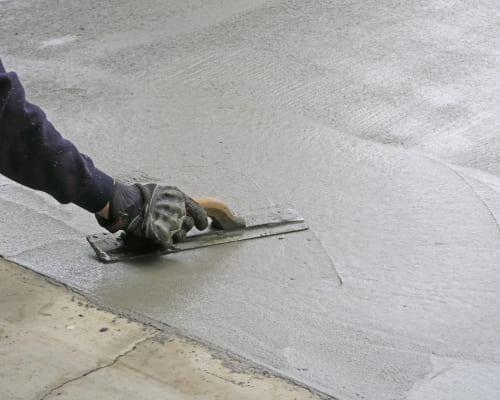
A concrete driveway is usually the largest single area of concrete on a property, and around Cranbourne it has to sit on some of the most varied ground in Melbourne: loose sand on the Cranbourne sand belt, reactive clay and engineered fill across the newer estates, and soft, wet ground toward Koo Wee Rup. Whether a driveway stays flat and crack-free for decades depends far more on what goes under it than on the finish on top. Peak Concreting Cranbourne builds new and replacement concrete driveways, second driveways, extensions, long rural driveways and vehicle crossovers across the City of Casey and Cardinia Shire, with a compacted crushed rock base, steel mesh, properly placed control joints and falls that send water away from the house and garage. Every quote starts with a look at the site, the levels and the drainage, and comes back in writing with the specification spelled out. Call 0485 032 128 for a free on-site measure and a written driveway quote.
Concrete Slabs & Footings
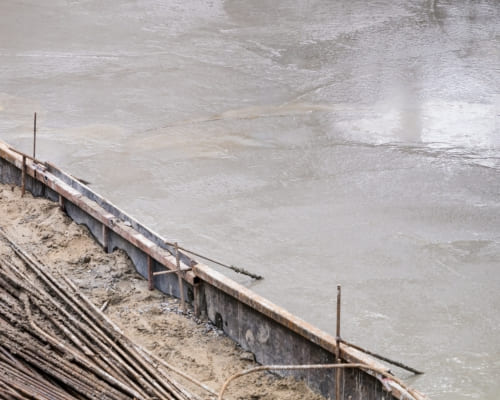
A concrete slab is the base that a home, extension, granny flat, garage, shed or alfresco area sits on, and the footings beneath it carry that load into the ground. Around Cranbourne the ground changes from block to block: loose sand on the Cranbourne sand belt, reactive clay and engineered fill across the newer estates in Clyde, Clyde North and Officer, and soft, peaty ground toward Koo Wee Rup. Concrete slabs and footings for houses and extensions are built to the engineer's AS 2870 design for the site class, with the base compacted, the vapour barrier lapped and taped, the steel chaired at the right cover and the edge beams dug to the drawings before any concrete is ordered. Shed, garage and alfresco slabs follow the same discipline at a smaller scale. Peak Concreting Cranbourne pours slabs and footings across the City of Casey and Cardinia Shire, priced per square metre from the plans. Call 0485 032 128 for a free site visit and a written concrete slab quote.
Exposed Aggregate Concrete
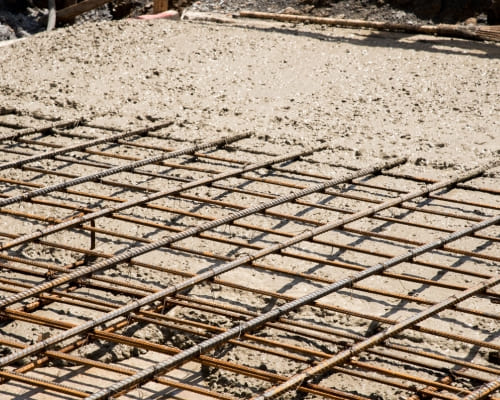
Exposed aggregate is the washed stone finish seen on driveways, paths and alfresco areas right across the new estates and older streets of Cranbourne. Instead of a smooth grey surface, the top layer of cement paste is washed away so the natural stone in the concrete shows through, giving a textured, slip-resistant surface that hides dust, tyre marks and minor wear far better than plain concrete. Peak Concreting Cranbourne pours exposed aggregate driveways, crossovers, paths, side access, entertaining areas and pool surrounds across the City of Casey and Cardinia Shire, on a compacted base with steel mesh and properly placed joints, and finishes every job with a sealer suited to hot, dry summers and cool, wet winters. Stone colour and size are chosen from samples before the pour, and every quote comes back in writing with the mix, the stone and the sealer named. Call 0485 032 128 for a free on-site measure and a written exposed aggregate quote.
Concrete Paths & Footpaths
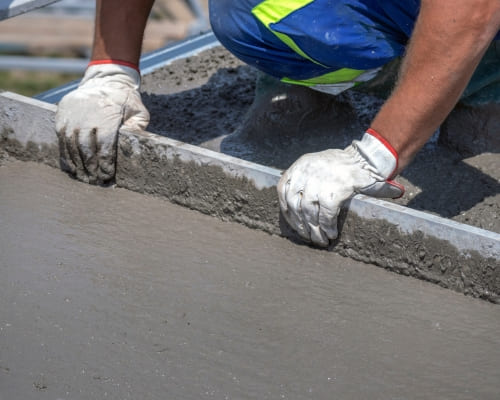
A concrete path gives safe, mud-free access around a property: down the side of the house, through the garden, out to the shed and clothesline, and from the driveway to the front door. Around Cranbourne the work splits between new paths on the growth estates, where the ground is often reactive clay or engineered fill, and replacement paths at older homes where the original path has cracked, sunk or lifted. A path that lasts depends on what sits under it: a dug-out and compacted base, the right thickness and steel, a fall that carries water away from the house, and joints that control where it cracks. Peak Concreting Cranbourne lays garden paths, side paths, entry paths and footpaths across the City of Casey and Cardinia Shire, and the written quote sets out the width, thickness and finish. Call 0485 032 128 for a free on-site quote on concrete paths.
Concrete Kerbs & Edging
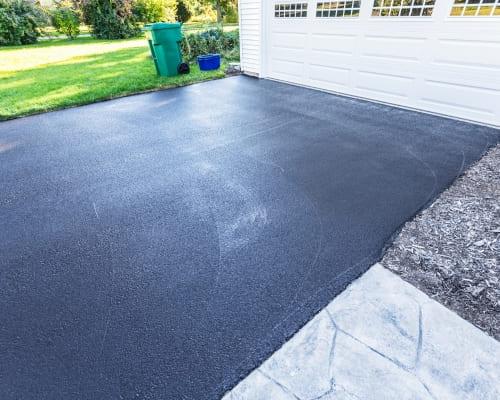
Concrete kerbing gives a garden, driveway or car park a firm, permanent edge that holds its line for decades. In Cranbourne it is most often laid as continuous garden edging and flush mowing strips around lawns and beds, as edge kerbs along driveways and paths, and as barrier, semi-mountable and layback kerbs on car parks, commercial sites and private roads. Peak Concreting Cranbourne sets out every run on site, prepares and compacts the base to suit the ground, whether that is the Cranbourne sand belt, reactive clay or estate fill, and then slip-forms the kerb in one continuous line or hand-forms it where curves are tight. Joints are cut so any cracking stays straight and hidden, and the back of the kerb is haunched or backfilled so it cannot roll or creep. Work covers homes, townhouse developments and commercial sites across the City of Casey and Cardinia Shire, priced per lineal metre. Call 0485 032 128 for a free on-site measure and a written concrete kerbing quote.
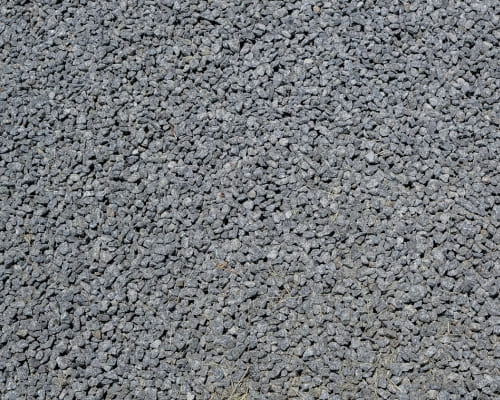
Concrete Repairs
Concrete repairs fix cracked, spalling, sunken and lifted concrete before it turns into a trip hazard or a full replacement. Around Cranbourne the damage usually traces back to the ground under the slab: loose sand on the Cranbourne sand belt that was never properly compacted, reactive clay and engineered fill in the newer estates that swell and shrink with the seasons, or water and tree roots working underneath. A lasting repair starts by finding that cause. Peak Concreting Cranbourne repairs driveways, garage and shed slabs, paths, patios and crossovers, from crack repair and joint sealing to trip-hazard grinding, patching spalled surfaces and breaking out failed sections for replacement. Every job begins with an on-site assessment and a straight answer on whether the concrete is worth repairing or is due for replacement. Call 0485 032 128 for a free on-site assessment and a written quote.
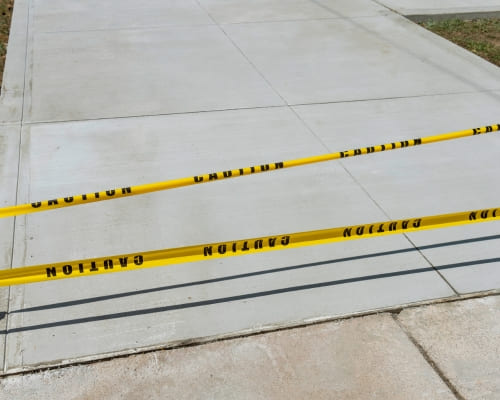
Concrete Retaining Walls
Concrete retaining walls turn sloping and stepped blocks into level, usable ground, hold back garden beds and terraces, and keep soil off driveways, paths and fences. Around Cranbourne the common systems are concrete sleepers between galvanised steel posts, precast panels, core-filled block and poured reinforced walls, each built on proper footings with ag pipe, drainage gravel and compacted backfill behind it. The ground varies from the sandy Cranbourne sand belt to reactive clay and engineered fill in the newer estates, and the footing and drainage are set to suit. Peak Concreting Cranbourne checks the levels, the soil and whether a building permit or engineering is likely before quoting, and the written quote lists the wall system, footings, drainage and soil removal. Call 0485 032 128 for a free on-site assessment and a written quote.
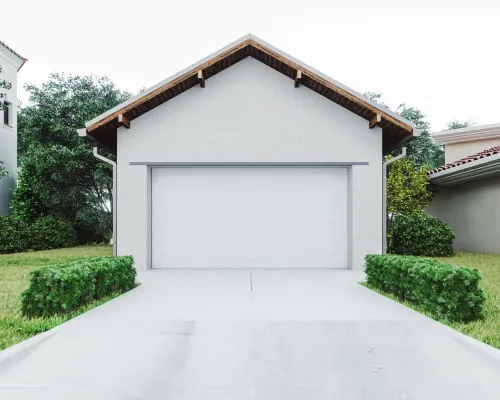
Polished Concrete
Polished concrete floors are hard-wearing, easy to clean and suit the open-plan homes being built right across Cranbourne and the growth estates around it. The surface of the slab is ground back with diamond tooling, hardened with a densifier, then sealed and burnished to a matt, satin or high gloss sheen, so the floor itself becomes the finished surface rather than something to cover with tiles or timber. Peak Concreting Cranbourne polishes new house slabs, existing floors in renovations, garages, workshops, shops and offices across the City of Casey and Cardinia Shire, offering both mechanically polished concrete and a lower-cost grind and seal. Each floor is checked for cracks, moisture and stone depth before quoting, finish samples are agreed in advance, and the quote comes back in writing with the exposure level, sheen and sealer named. Call 0485 032 128 for a free on-site measure and a written polished concrete quote.
Concrete Sealing
Concrete sealing puts a protective treatment into or onto a slab so it resists water, oil, stains and weathering, and so a decorative finish keeps its colour. Around Cranbourne the work splits two ways: first seals on new driveways, paths and alfresco slabs across the growth estates, and resealing on older exposed aggregate, coloured and plain driveways whose original coat has worn away. The right product depends on the surface. A penetrating silane or siloxane sealer soaks in and leaves no film, a topical acrylic or polyurethane sealer sits on top and deepens the colour, and a tinted sealer brings back faded concrete. Peak Concreting Cranbourne cleans, prepares and seals concrete across the City of Casey and Cardinia Shire, and the written quote names the sealer, the number of coats and any stripping needed. Call 0485 032 128 for a free on-site quote on concrete sealing.
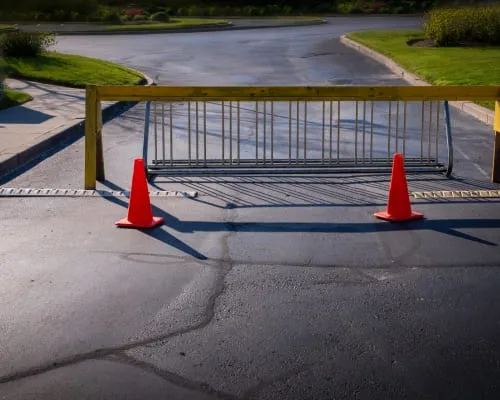
Concrete Resurfacing
Concrete resurfacing gives a sound but tired slab a new wearing surface without breaking it out. A polymer-modified cementitious overlay is bonded to the existing concrete, finished as a spray-on texture, a stencilled pattern or a smooth microtopping, and then sealed. Around Cranbourne most of this work is on driveways, paths and patios poured twenty or more years ago, where the slab is still level but the top has weathered, stained or worn through. Peak Concreting Cranbourne checks the slab before quoting, because an overlay only lasts as long as the concrete beneath it: a slab that has heaved, sunk or keeps cracking is quoted for repair or replacement instead. Where resurfacing is the right call, it is quicker, quieter and usually cheaper than a full repour, and the surface is back in use within days. Call 0485 032 128 for a free on-site assessment and a written quote.
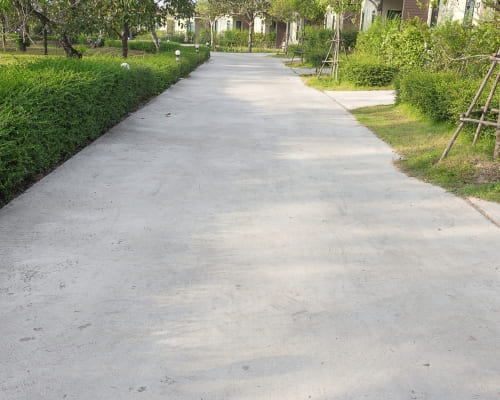
Coloured Concrete
Coloured concrete gives a driveway, path or alfresco area a finished look that ties in with the roof, render and brickwork of the house, instead of the flat grey of a standard pour. The colour comes from mineral oxide pigments, either mixed right through the concrete at the batching plant or broadcast onto the fresh surface as a dry-shake colour hardener, so it is part of the slab rather than a coat of paint sitting on top. Peak Concreting Cranbourne pours coloured concrete for new homes in the growth estates, replacement driveways in established streets and rural-residential properties across the City of Casey and Cardinia Shire. Colours are chosen from a supplier chart and confirmed in writing before the concrete is ordered, the base is prepared to suit sand, reactive clay or estate fill, and the finished surface is sealed to protect the colour. Call 0485 032 128 for a free on-site measure and a written coloured concrete quote.
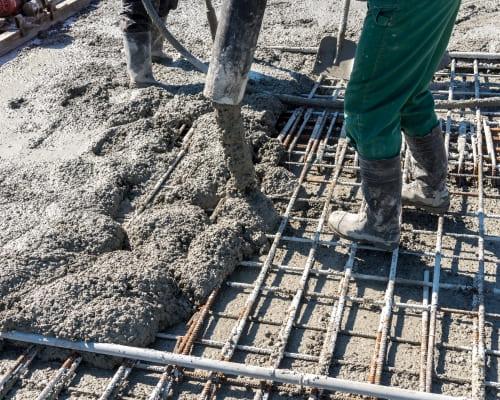
Honed Concrete
Honed concrete is a slab that has been ground back after curing with diamond tooling, cutting through the cement paste on top to expose the stone inside the mix and leave a smooth, matte or satin surface. It sits between a washed exposed aggregate finish and a glossy polished floor, which is why it suits outdoor living: pool surrounds, alfresco areas, patios, courtyards, paths and driveways. Honed concrete in Cranbourne is built on the same base as any good slab, with the ground compacted for the sand belt, reactive clay or estate fill below, then honed to the chosen depth and sealed with an anti-slip sealer so it keeps its grip when wet. Peak Concreting Cranbourne pours, hones and seals across the City of Casey and Cardinia Shire, priced per square metre after a site visit. Call 0485 032 128 for a free on-site quote on honed concrete.
Stamped Concrete
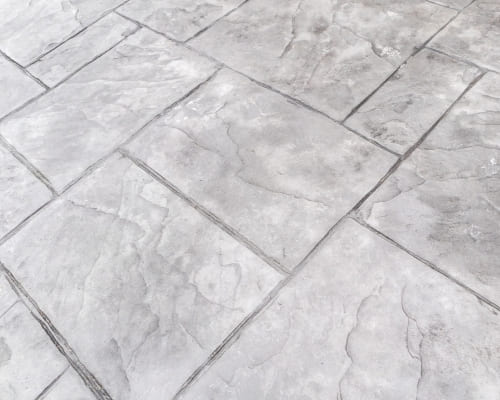
Stamped concrete is fresh concrete pressed with a patterned mat while it is still workable, so the finished slab carries the texture and joint lines of slate, cobblestone, brick, ashlar stone or timber boards. Colour is added with a dry-shake colour hardener and a contrasting release agent, which gives the pattern its depth and two-tone look. Stamped concrete in Cranbourne is used on driveways, alfresco areas, courtyards, paths and pool surrounds, where owners want the look of pavers or stone without loose units that sink, shift or grow weeds. Every slab is built on a base compacted for the ground below, whether that is the Cranbourne sand belt, reactive clay or engineered fill on a new estate, then cut with control joints and sealed. Peak Concreting Cranbourne pours, colours, stamps and seals across the City of Casey and Cardinia Shire, priced per square metre after a site visit. Call 0485 032 128 for a free on-site quote on stamped concrete.
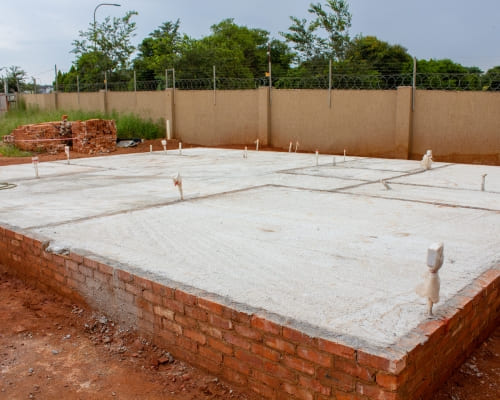
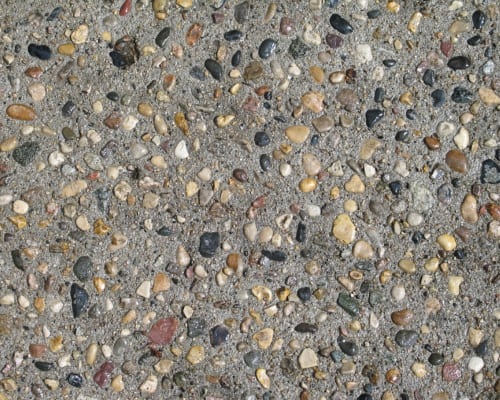
concreting In Clyde
FREQUENTLY ASKED QUESTIONS
Everything you need to know about our concreting In Clyde
Do concreters in Clyde mostly work on new homes?
Yes, most concrete work in Clyde is on new homes, because much of the suburb has been built in recent years on former farmland. Typical jobs are driveways and crossovers, side paths, alfresco extensions and shed slabs once the builder hands over. Older homes in the original township also need repairs, replacement and resurfacing. Peak Concreting quotes on both after a free site visit.
How soon after handover can a new driveway be poured in Clyde?
A driveway can usually be poured as soon as the builder has finished and the site is clear, once any estate design guidelines have been checked. The site visit confirms the finished levels, the location of services and pits, and whether fill near the surface needs extra preparation. Wet weather can delay a pour, because the base must be firm and compacted. Booking the visit before handover helps the work start soon after.
What site class is the ground in Clyde?
Most new lots in Clyde are on reactive clay, and the exact class under AS 2870 varies from lot to lot. The soil report prepared for the house gives the class for that block and is the best guide for outdoor slabs. Cut-and-fill earthworks during subdivision can also leave fill near the surface. The base depth, steel and joint spacing are chosen to suit the class and the ground found on site.
How long before a car can drive on a new Clyde driveway?
A new driveway is normally ready for cars after about seven days, with heavier vehicles kept off for longer. In hot or windy summer weather the slab is kept moist during the first days so it does not dry out too quickly and crack. Foot traffic is usually fine after a day or two. The crew gives curing advice for each job when the pour is complete.
Is exposed aggregate or plain concrete better for a Clyde driveway?
Both are strong when built on a good base, so the choice comes down to looks, maintenance and budget. Exposed aggregate hides dust, clay and tyre marks better and gives a non-slip surface, which suits streets that are still under construction. Plain concrete costs less and is quicker to lay. Some estates have guidelines on driveway finishes, so those are checked first.
Can a builder's plain driveway in Clyde be resurfaced instead of replaced?
Yes, if the slab is level and has only fine cracks, a resurfacing coat can change its colour and texture without removing it. The surface is cleaned, repaired and primed before the coating is applied and sealed. If the driveway has sunk, lifted or broken up, a coating will not last and repairs or replacement are recommended instead. A site inspection decides which option suits the slab.
TESTIMONIALS
What Clyde Homeowners Say About Us
Request A Free Quote
GET A FREE QUOTE
BUSINESS
SERVICES
OPERATING HOURS
Sun: 7:00am - 9:00pm
Mon: 7:00am - 9:00pm
Tue: 7:00am - 9:00pm
Wed: 7:00am - 9:00pm
Thu: 7:00am - 9:00pm
Fri: 7:00am - 9:00pm
Sat: 7:00am - 9:00pm