Concrete Devon Meadows: Concreting Services for Acreage and Homes
Concrete in Devon Meadows is built for acreage: long rural driveways, crossovers onto country roads, shed, stable and machinery slabs, and decorative exposed aggregate around the house. The suburb is a quiet stretch of lifestyle blocks and former market-garden land in the City of Casey, south of Cranbourne, and its flat, low-lying ground makes drainage the first thing to plan. Every job starts with a site check of the soil, a compacted crushed rock base, and a slab thickness and reinforcement matched to the vehicles and machinery that will use it. Tired older driveways can often be resurfaced rather than replaced, and cracked or sunken panels are repaired on a rebuilt base. Call 0485 032 128 for a free on-site quote.
GET A FREE QUOTE
OUR STORY
Concrete Devon Meadows: Long Driveways and Crossovers for Lifestyle Blocks
Concrete in Devon Meadows is mostly acreage work. The locality sits in the City of Casey about 50 kilometres south-east of Melbourne, roughly 8 kilometres from the Cranbourne town centre, and only around 1,551 people lived there at the 2021 census. Instead of rows of estate houses on small lots, the suburb is made up of lifestyle blocks, hobby farms and former market-garden and nursery land, with homes set well back from the road behind paddocks and sheds. That changes what a concrete job looks like. A driveway here is often far longer than a suburban one, it has to carry heavier vehicles, and it usually ends at a cluster of sheds rather than a single garage. This section covers the driveway, the crossover and the turning space that make up the first job on most Devon Meadows properties.
Concrete driveways Devon Meadows: from the road to the house and sheds
A rural driveway in Devon Meadows can run for a long way from the front gate to the house, then branch off to a machinery shed, a garage and sometimes a stable. Concrete suits that layout because it stays firm through wet winters, does not throw up dust or loose stones in summer, and does not wear into ruts the way a gravel track does under a loaded ute. The cost grows with the length, so many owners concrete the section near the house and sheds first and keep the far end in compacted crushed rock until a later stage.
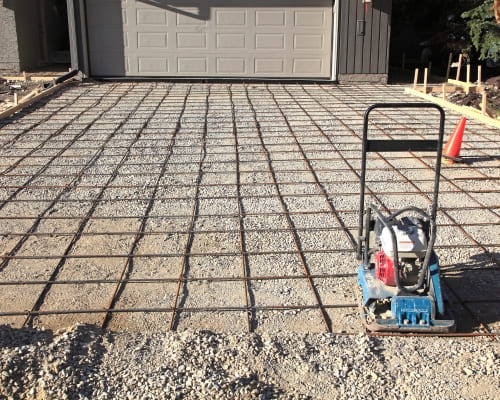
Thickness and reinforcement are set by the heaviest vehicle that will use the driveway, not by the family car. A standard residential driveway is around 100 millimetres thick on steel mesh, while sections that carry a horse float, a tipper delivering feed or a loaded truck are usually thickened to around 125 millimetres or more, with heavier mesh. Control joints are cut at regular spacings along the run so the slab cracks where it is told to. Layout, finishes and joint planning for driveways of every size are explained on the concrete driveways page.
Crossovers onto rural roads and the council permit
The crossover is the part of the driveway that crosses the road reserve between the road edge and the property boundary. In Devon Meadows that land usually belongs to the City of Casey, so a permit from the council is needed before a crossover is built or changed, and the work must follow the council's standard for thickness, width and finish. On a rural road there is often no kerb, so the crossover also has to handle the table drain beside the road, sometimes with a pipe under the driveway so water keeps flowing along the drain. A property fronting the South Gippsland Highway deals with the state road authority instead of the council. The permit and the drainage detail are both checked at the quote stage, before any formwork goes in.
Turning areas and parking pads for trucks, floats and caravans
A long driveway is only half the job if a vehicle cannot turn around at the top of it. Reversing a horse float or a caravan back down a long, narrow driveway is slow and risky, so most acreage owners in Devon Meadows add a turning circle or a wide apron near the house and sheds. The apron is laid out around the real turning path of the largest vehicle, with enough room for a feed delivery truck or a removalist to swing through without leaving the concrete. A separate parking pad beside a shed keeps a caravan, boat or trailer off the grass, where it would sink into soft ground over a wet winter. These pads carry concentrated wheel loads for weeks at a time, so they are built on a deeper compacted base than a path or patio.
SERVICES WE OFFER IN Devon Meadows
Exposed Aggregate Devon Meadows: Decorative Finishes on Larger Blocks
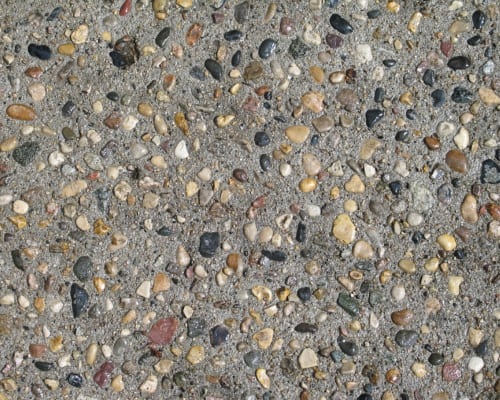
Exposed aggregate is the finish most Devon Meadows owners ask about when the budget allows for something better than plain grey concrete. After the concrete is placed and has started to firm up, the top layer of cement paste is washed off to reveal the stones in the mix. The result is a textured, natural-looking surface that grips well in the wet, hides dust and tyre marks, and blends with a garden setting better than a smooth slab does. On a larger block it is usually kept for the most visible parts of the property: the front section of the driveway, the area outside the house and the outdoor living spaces, while working areas around the sheds stay in a plainer finish. Stone blends, wash timing and the full method are set out on the exposed aggregate concrete page.
Exposed aggregate on a long rural driveway
Running exposed aggregate along the whole length of a long driveway is possible, but it is a bigger decision than on a short suburban one. Each pour has to be washed at the right moment, so a long driveway is broken into sections that the crew can place and wash before the surface sets too hard. Joints are planned so the change between pours falls on a deliberate line rather than a visible patch. Exposed aggregate costs more than a plain broom finish because of the selected stone and the extra labour in washing, so a common approach in Devon Meadows is to use it for the final stretch near the house and the parking area, and a plain or broomed finish further back. The quote can price both options side by side so the owner can see the difference.
Alfresco areas and paths in a matching finish
Many acreage homes in Devon Meadows have a broad outdoor living area at the back of the house, often looking out over paddocks or a garden. Pouring the alfresco slab and the paths that link it to the driveway in the same exposed aggregate mix ties the property together and gives a slip-resistant surface where people walk barefoot or in wet boots. The alfresco is set a little below the floor level of the house and given a gentle fall away from the doors so rain from a summer storm runs off rather than pooling. Paths between the house, the clothesline and the sheds are usually around 75 to 100 millimetres thick, and wider than a standard suburban path where a wheelbarrow or ride-on mower needs to use them.
Sealing exposed aggregate on a dusty rural block
A rural block throws a lot at a decorative surface: dust blowing off paddocks in summer, mud carried in on tyres in winter, oil from farm machinery and leaves from shelter belts. Sealing exposed aggregate once it has cured makes all of that easier to clean, deepens the colour of the stones and cuts the amount of water the surface takes in. The sealer is applied in thin, even coats, because a thick coat can trap moisture and go cloudy. On a driveway that sees a lot of machinery, a harder-wearing sealer is chosen, and it is recoated every few years depending on traffic and sun. Sealing the plain working areas near the sheds is optional, but it helps keep oil and fuel stains from soaking in.
Why choose us in Devon Meadows
Concrete Resurfacing Devon Meadows: Renewing Sound Older Driveways
Concrete resurfacing in Devon Meadows suits the many older driveways, verandah slabs and shed aprons that are still solid underneath but look worn. Concrete on a rural property often works hard for years without much attention: it fades in the sun, collects oil from tractors and utes, and wears rough where vehicles turn. If the slab itself is sound, breaking it out and pouring a new one is an expensive way to fix what is mainly a surface problem. A resurfacing overlay is a thin layer of polymer-modified cement bonded to the existing concrete, which gives it a new colour and texture without removal, a skip bin or a new base. The process, from cleaning through to sealing, is explained in detail on the concrete resurfacing page.
Checking the slab before an overlay goes down
An overlay is only as durable as the concrete beneath it, so every resurfacing job in Devon Meadows starts with an inspection. The slab is sounded for hollow areas, checked for panels that rock or have dropped against their neighbours, and any cracks are measured and marked. Fine surface cracks and general wear are not a problem. A crack that is still moving, or a panel that has settled because water has washed out the sand beneath it, will come straight back through a new coating. Those defects are repaired first, cut out and filled or turned into a proper joint, before the surface is cleaned, degreased and primed. Spray-on, stencilled and trowelled overlays are all available, and each one is finished with a sealer suited to the traffic the area will take.
When repair or replacement beats resurfacing
Resurfacing is not the right answer for every tired slab. Where a driveway has sunk in several places, broken into loose pieces or been undermined by water running beneath it, the problem is in the base, and a coating cannot fix that. On flat ground with poor drainage this is more common than on sloping sites, because water sits under the slab rather than running away. In those cases the damaged panels are cut out, the base is dug out and recompacted with crushed rock, and new concrete is poured to match the levels around it. If most of the driveway is affected, a full replacement usually works out better value than repairing it piece by piece. Resurfacing generally costs less than replacement and more than a clean and seal, and the site visit makes clear which option fits each slab.
SERVICES WE OFFER IN Devon Meadows
Flat, Sandy Ground and Drainage Under Devon Meadows Concrete
Devon Meadows sits on flat, low-lying ground in the hinterland of Western Port, and that shapes how every slab here is designed. The suburb's history as market-garden and nursery country points to lighter, sandy soils similar to those around neighbouring Pearcedale, but soil can change from one block to the next, so the ground on each property is checked on site rather than assumed. Sandy ground does not swell and shrink the way the reactive clay in newer estates does, which is an advantage. Its weaknesses are different: loose sand needs proper compaction before it can carry a slab, and on flat land water has nowhere to run, so drainage becomes the main concern.
Sandy soil, compaction and the site check
Before any concrete job in Devon Meadows is priced, the ground is looked at where the slab will go. Topsoil, grass roots and any organic material from old garden beds are stripped off, because they compress over time and leave voids under the concrete. Loose sand is then compacted in layers, and a crushed rock base is laid and compacted on top so the slab sits on a firm, even platform. For house extensions or structural slabs, the soil is classified under AS 2870, which sets the footing and slab design for the site class, and an engineer's design is followed where one is required. For driveways, shed floors and paths, the base depth and slab thickness are matched to the load, with heavier work given a deeper base.
Falls and drainage on flat, low-lying ground
On a flat block, rainwater does not drain away by itself, so every slab in Devon Meadows is formed with a deliberate fall, usually a gentle slope that carries water away from the house, the shed doors and the stable entrances. Water is directed to the edge of the slab, into a grated drain or to a garden area where it can soak in, rather than being left to sit against walls or pool on the surface. After a wet winter, ground near the water table can stay soft for weeks, so the base under a driveway is built up and kept free-draining, and the finished level is set slightly above the surrounding ground. Ignoring drainage on flat land is the most common reason rural concrete cracks or settles early.
Pouring through hot summers and wet winters
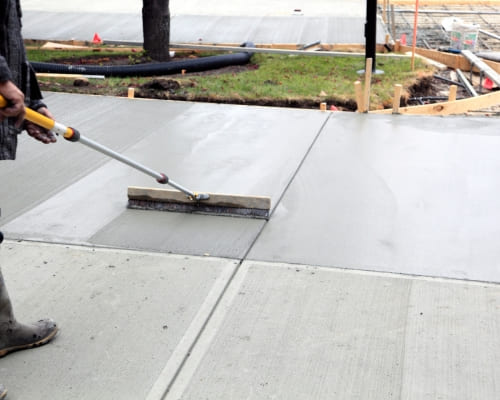
The weather around Western Port swings between hot, dry, windy summer days that can pass 40 degrees and cool, wet winters. Both affect a pour. On hot days, wind dries the surface faster than the concrete can cure, which causes plastic shrinkage cracking, so pours are started early in the morning, the base is dampened beforehand and the slab is kept moist or sealed with a curing compound for at least seven days. In winter, the timing is planned around rain, and a pour is not placed on a base that has turned soft or waterlogged. Larger rural slabs take longer to place and finish, so the crew size and the delivery schedule are planned to keep each pour moving.
Why choose us in Devon Meadows
Concrete Slabs Devon Meadows: Shed, Stable and Machinery Floors
Concrete slabs in Devon Meadows are a big part of acreage life. Most properties have at least one shed, and many have several: a garage for the cars, a machinery shed for the tractor and ride-on mower, a workshop, and on horse properties a stable block and feed room. Each one needs a slab designed for what will sit on it and drive across it, and for the frame that will be bolted to it. A shed slab is not simply a large patio, because the edges carry the weight of the walls and the posts carry the roof. Edge beams, thickenings and footing design for every kind of slab are covered on the concrete slabs and footings page.
Shed and machinery slabs sized to the load
A shed slab starts with the shed kit. The supplier's drawings show the overall size, the post positions and the footing or edge-beam details the frame needs, and the slab is set out to match them so the bolts land exactly where the posts go. The floor thickness and reinforcement then depend on the use. A garage for cars can sit on a standard 100 millimetre slab on mesh, while a machinery shed that houses a tractor, a truck or heavy equipment is usually 125 to 150 millimetres thick on heavier reinforcement, with thickened edges at the doors where wheels cross. A vapour barrier under the slab helps keep the floor dry for stored equipment. The apron outside the roller doors is poured at the same time, falling away from the shed so rain does not run inside.
Stable and yard slabs that drain and grip
Stable floors, wash bays and feed room slabs have different demands from a shed floor. They need a textured, non-slip finish because horses and people move across them when they are wet, and they need firm falls toward a drain so that washing down the floor clears water and waste quickly. A broomed finish is common, laid across the direction of travel for grip. Wash bays are usually given a stronger fall and a central or edge drain, and the concrete is built thick enough to carry a horse's weight on small hooves without cracking. Where the stable block joins a yard or an arena, the edge of the slab is finished cleanly so the change between surfaces does not catch a hoof or trap water.
SERVICES WE OFFER IN Devon Meadows
Why Devon Meadows Owners Choose a Concreter Near You
Choosing a concreter near you matters more on an acreage property than in a suburban street. Peak Concreting works across the Cranbourne district and the semi-rural areas to its south, so a trip to Devon Meadows to look at a long driveway or a shed site fits easily into the week. Being local also means knowing how sandy, flat ground behaves after a wet winter and how quickly concrete dries on a hot north wind, which feeds straight into the base, falls and pour timing on every job. Long rural jobs need a crew that plans the deliveries, the formwork and the finishing in stages, rather than a team used only to small driveways in new estates.
A free site visit and a written quote
Every Devon Meadows job begins with a free visit to the property. The driveway route or slab position is walked and measured, the ground and drainage are checked, access for trucks and pumps is assessed, and the owner's plans for vehicles, sheds and finishes are talked through. The written quote then sets out each part of the work: excavation and base depth, slab thickness and reinforcement, joint layout, the finish and sealer, any crossover permit and drainage pipe, and how excavated soil will be handled. Having it in writing makes it easy to compare with other quotes and to see exactly what is included, and it gives a clear plan if the work is to be done in stages.
What moves the price on a rural job
Several things move the cost of concrete on a Devon Meadows property. Length and area come first, so a long driveway or a large shed floor is the biggest driver. Thickness and reinforcement follow, because a slab built for trucks and machinery uses more concrete and steel than one built for cars. Site preparation matters too: stripping topsoil, importing and compacting crushed rock, and building up levels on low ground all add to the total. Finish is the next factor, with plain concrete the cheapest, broom and coloured finishes in the middle and exposed aggregate usually the dearest. Access affects the price as well, since a long distance from the road to the pour site can mean a concrete pump or extra handling. Doing several jobs in one programme usually saves money compared with booking them separately.
Why choose us in Devon Meadows
Devon Meadows Streets, Estates and Pockets Covered
Devon Meadows is a small locality, but its roads spread out across a wide area of farmland and lifestyle blocks. Its neighbours, according to its Wikipedia entry, include Junction Village, Cranbourne South, Pearcedale, Cannons Creek, Clyde, Cranbourne East and Tooradin. Every street and road in the 3977 postcode within Devon Meadows is covered, from the township near the school to the rural roads that run out toward the bay. The four pockets below show the main kinds of property and concrete work found across the area.
Worthing Road and the school end of town
Worthing Road runs through the heart of Devon Meadows. Devon Meadows Primary School is at 50 Worthing Road, and the road is also linked with the Rawlins family, whose house is said to be the oldest in the locality. Properties along and near Worthing Road mix older homes with newer houses on generous blocks, so the work here ranges from replacing cracked older driveways and verandah slabs to new paths, carports and alfresco areas. Older slabs on this part of the road are good candidates for repair or resurfacing where the base is still sound, and crossovers onto Worthing Road need City of Casey approval like any other local road.
Five Ways and the South Gippsland Highway
Five Ways is the area just east of the main township where several roads leave the South Gippsland Highway at a split intersection: Clyde-Five Ways Road heading toward Berwick, Fisheries Road heading toward Cannons Creek, and a third road known by different names along its length as Finsbury, Manks or Browns Road. A general store at the intersection serves passing traffic. Properties fronting the highway and these busy roads often need a crossover built to carry vehicles turning in from fast traffic, wide driveway entries so trucks and floats can pull off the road safely, and heavier slabs for sheds and workshops. On the highway itself, the crossover is approved by the state road authority rather than the council, and that is built into the planning for the job.
Browns Road, Finsbury Road and the acreage edge
The Finsbury and Browns Road route leads out from Five Ways through the larger acreage of Devon Meadows. Finsbury Road is part of the locality's history: the Devon Meadows post office stood at 89 Finsbury Road from 1915 until it closed in 1941. Recent property listings on Browns Road describe blocks of around 2.5 to 3 acres with several sheds, including machinery sheds and double garages, and one sits right next to the urban growth boundary. That is typical of the work across this edge of the suburb: long driveways back to the house, shed and machinery slabs, turning aprons and parking pads, all built on a compacted base with careful falls on the flat ground.
Junction Village on the Cranbourne side
Junction Village is a small neighbouring locality between Devon Meadows and Cranbourne, also in the City of Casey, covering a compact area with homes on residential blocks rather than acreage. Because it adjoins Devon Meadows and lies on the same run toward Cranbourne, it is covered on the same visits. Work there is closer to typical suburban jobs: driveway replacements and resurfacing, paths around the house, patios and backyard slabs, garage floors and crossovers to the street. The same base preparation, joint planning and curing standards apply as on the larger Devon Meadows blocks, scaled to suit a smaller site.
concreting Services we offer In Devon Meadows
Concrete Driveways
A concrete driveway is usually the largest single area of concrete on a property, and around Cranbourne it has to sit on some of the most varied ground in Melbourne: loose sand on the Cranbourne sand belt, reactive clay and engineered fill across the newer estates, and soft, wet ground toward Koo Wee Rup. Whether a driveway stays flat and crack-free for decades depends far more on what goes under it than on the finish on top. Peak Concreting Cranbourne builds new and replacement concrete driveways, second driveways, extensions, long rural driveways and vehicle crossovers across the City of Casey and Cardinia Shire, with a compacted crushed rock base, steel mesh, properly placed control joints and falls that send water away from the house and garage. Every quote starts with a look at the site, the levels and the drainage, and comes back in writing with the specification spelled out. Call 0485 032 128 for a free on-site measure and a written driveway quote.
Concrete Slabs & Footings
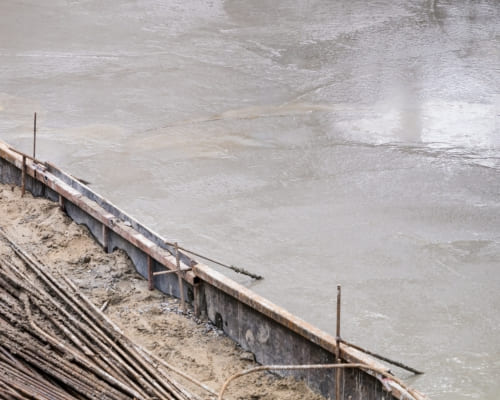
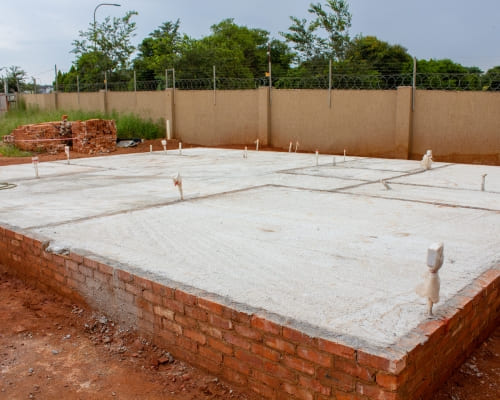
A concrete slab is the base that a home, extension, granny flat, garage, shed or alfresco area sits on, and the footings beneath it carry that load into the ground. Around Cranbourne the ground changes from block to block: loose sand on the Cranbourne sand belt, reactive clay and engineered fill across the newer estates in Clyde, Clyde North and Officer, and soft, peaty ground toward Koo Wee Rup. Concrete slabs and footings for houses and extensions are built to the engineer's AS 2870 design for the site class, with the base compacted, the vapour barrier lapped and taped, the steel chaired at the right cover and the edge beams dug to the drawings before any concrete is ordered. Shed, garage and alfresco slabs follow the same discipline at a smaller scale. Peak Concreting Cranbourne pours slabs and footings across the City of Casey and Cardinia Shire, priced per square metre from the plans. Call 0485 032 128 for a free site visit and a written concrete slab quote.
Exposed Aggregate Concrete
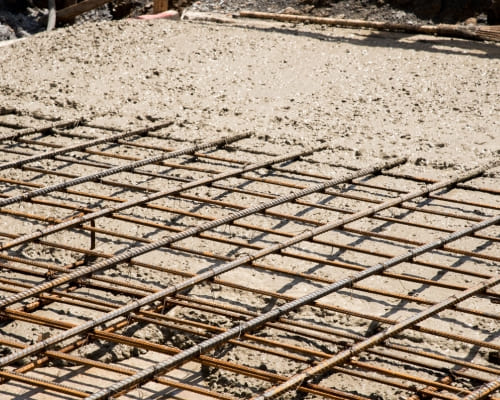
Exposed aggregate is the washed stone finish seen on driveways, paths and alfresco areas right across the new estates and older streets of Cranbourne. Instead of a smooth grey surface, the top layer of cement paste is washed away so the natural stone in the concrete shows through, giving a textured, slip-resistant surface that hides dust, tyre marks and minor wear far better than plain concrete. Peak Concreting Cranbourne pours exposed aggregate driveways, crossovers, paths, side access, entertaining areas and pool surrounds across the City of Casey and Cardinia Shire, on a compacted base with steel mesh and properly placed joints, and finishes every job with a sealer suited to hot, dry summers and cool, wet winters. Stone colour and size are chosen from samples before the pour, and every quote comes back in writing with the mix, the stone and the sealer named. Call 0485 032 128 for a free on-site measure and a written exposed aggregate quote.
Concrete Paths & Footpaths
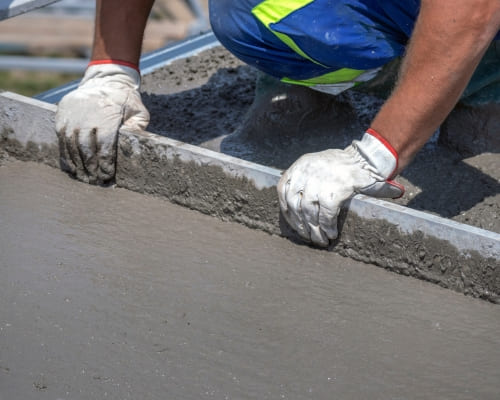
A concrete path gives safe, mud-free access around a property: down the side of the house, through the garden, out to the shed and clothesline, and from the driveway to the front door. Around Cranbourne the work splits between new paths on the growth estates, where the ground is often reactive clay or engineered fill, and replacement paths at older homes where the original path has cracked, sunk or lifted. A path that lasts depends on what sits under it: a dug-out and compacted base, the right thickness and steel, a fall that carries water away from the house, and joints that control where it cracks. Peak Concreting Cranbourne lays garden paths, side paths, entry paths and footpaths across the City of Casey and Cardinia Shire, and the written quote sets out the width, thickness and finish. Call 0485 032 128 for a free on-site quote on concrete paths.
Concrete Kerbs & Edging
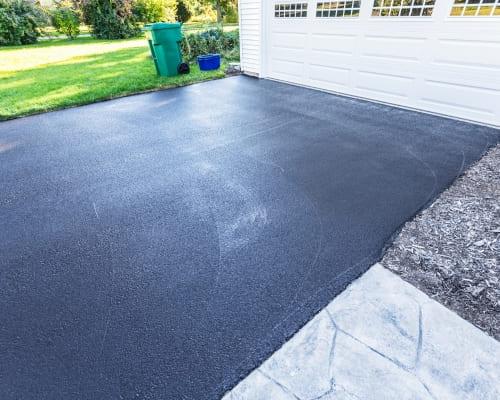
Concrete kerbing gives a garden, driveway or car park a firm, permanent edge that holds its line for decades. In Cranbourne it is most often laid as continuous garden edging and flush mowing strips around lawns and beds, as edge kerbs along driveways and paths, and as barrier, semi-mountable and layback kerbs on car parks, commercial sites and private roads. Peak Concreting Cranbourne sets out every run on site, prepares and compacts the base to suit the ground, whether that is the Cranbourne sand belt, reactive clay or estate fill, and then slip-forms the kerb in one continuous line or hand-forms it where curves are tight. Joints are cut so any cracking stays straight and hidden, and the back of the kerb is haunched or backfilled so it cannot roll or creep. Work covers homes, townhouse developments and commercial sites across the City of Casey and Cardinia Shire, priced per lineal metre. Call 0485 032 128 for a free on-site measure and a written concrete kerbing quote.
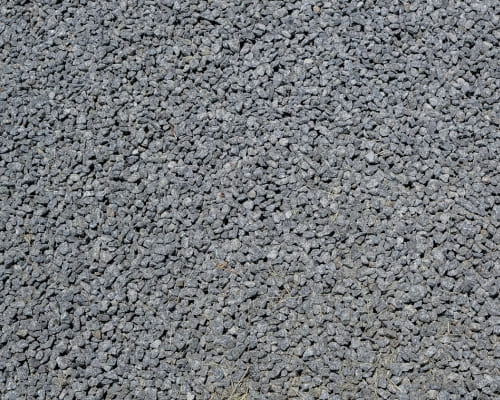
Concrete Repairs
Concrete repairs fix cracked, spalling, sunken and lifted concrete before it turns into a trip hazard or a full replacement. Around Cranbourne the damage usually traces back to the ground under the slab: loose sand on the Cranbourne sand belt that was never properly compacted, reactive clay and engineered fill in the newer estates that swell and shrink with the seasons, or water and tree roots working underneath. A lasting repair starts by finding that cause. Peak Concreting Cranbourne repairs driveways, garage and shed slabs, paths, patios and crossovers, from crack repair and joint sealing to trip-hazard grinding, patching spalled surfaces and breaking out failed sections for replacement. Every job begins with an on-site assessment and a straight answer on whether the concrete is worth repairing or is due for replacement. Call 0485 032 128 for a free on-site assessment and a written quote.
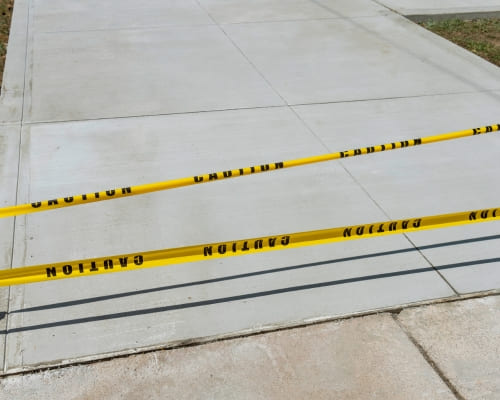
Concrete Retaining Walls
Concrete retaining walls turn sloping and stepped blocks into level, usable ground, hold back garden beds and terraces, and keep soil off driveways, paths and fences. Around Cranbourne the common systems are concrete sleepers between galvanised steel posts, precast panels, core-filled block and poured reinforced walls, each built on proper footings with ag pipe, drainage gravel and compacted backfill behind it. The ground varies from the sandy Cranbourne sand belt to reactive clay and engineered fill in the newer estates, and the footing and drainage are set to suit. Peak Concreting Cranbourne checks the levels, the soil and whether a building permit or engineering is likely before quoting, and the written quote lists the wall system, footings, drainage and soil removal. Call 0485 032 128 for a free on-site assessment and a written quote.
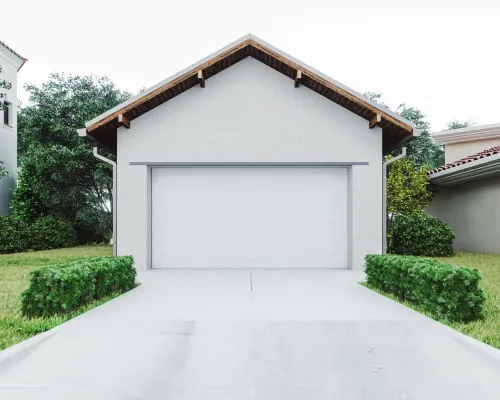
Polished Concrete
Polished concrete floors are hard-wearing, easy to clean and suit the open-plan homes being built right across Cranbourne and the growth estates around it. The surface of the slab is ground back with diamond tooling, hardened with a densifier, then sealed and burnished to a matt, satin or high gloss sheen, so the floor itself becomes the finished surface rather than something to cover with tiles or timber. Peak Concreting Cranbourne polishes new house slabs, existing floors in renovations, garages, workshops, shops and offices across the City of Casey and Cardinia Shire, offering both mechanically polished concrete and a lower-cost grind and seal. Each floor is checked for cracks, moisture and stone depth before quoting, finish samples are agreed in advance, and the quote comes back in writing with the exposure level, sheen and sealer named. Call 0485 032 128 for a free on-site measure and a written polished concrete quote.
Concrete Sealing
Concrete sealing puts a protective treatment into or onto a slab so it resists water, oil, stains and weathering, and so a decorative finish keeps its colour. Around Cranbourne the work splits two ways: first seals on new driveways, paths and alfresco slabs across the growth estates, and resealing on older exposed aggregate, coloured and plain driveways whose original coat has worn away. The right product depends on the surface. A penetrating silane or siloxane sealer soaks in and leaves no film, a topical acrylic or polyurethane sealer sits on top and deepens the colour, and a tinted sealer brings back faded concrete. Peak Concreting Cranbourne cleans, prepares and seals concrete across the City of Casey and Cardinia Shire, and the written quote names the sealer, the number of coats and any stripping needed. Call 0485 032 128 for a free on-site quote on concrete sealing.
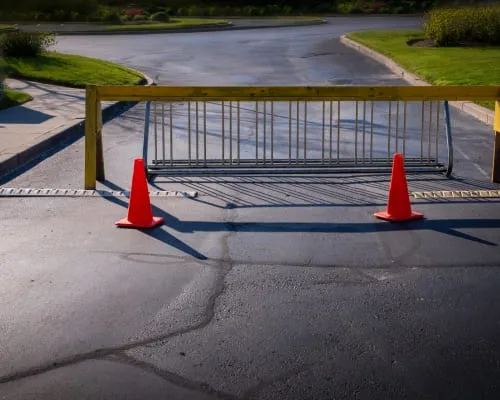
Concrete Resurfacing
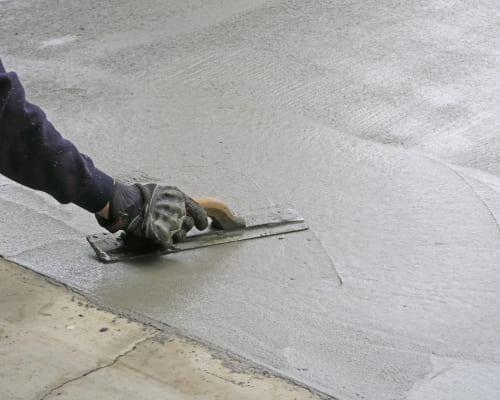
Concrete resurfacing gives a sound but tired slab a new wearing surface without breaking it out. A polymer-modified cementitious overlay is bonded to the existing concrete, finished as a spray-on texture, a stencilled pattern or a smooth microtopping, and then sealed. Around Cranbourne most of this work is on driveways, paths and patios poured twenty or more years ago, where the slab is still level but the top has weathered, stained or worn through. Peak Concreting Cranbourne checks the slab before quoting, because an overlay only lasts as long as the concrete beneath it: a slab that has heaved, sunk or keeps cracking is quoted for repair or replacement instead. Where resurfacing is the right call, it is quicker, quieter and usually cheaper than a full repour, and the surface is back in use within days. Call 0485 032 128 for a free on-site assessment and a written quote.
Coloured Concrete
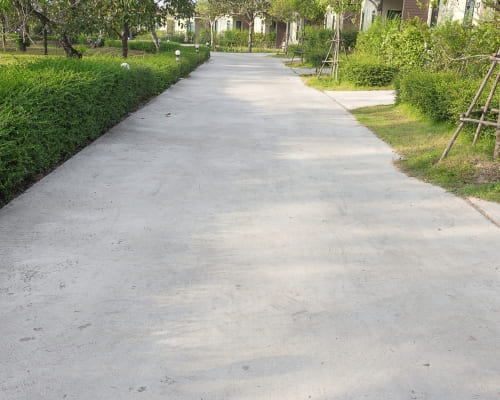
Coloured concrete gives a driveway, path or alfresco area a finished look that ties in with the roof, render and brickwork of the house, instead of the flat grey of a standard pour. The colour comes from mineral oxide pigments, either mixed right through the concrete at the batching plant or broadcast onto the fresh surface as a dry-shake colour hardener, so it is part of the slab rather than a coat of paint sitting on top. Peak Concreting Cranbourne pours coloured concrete for new homes in the growth estates, replacement driveways in established streets and rural-residential properties across the City of Casey and Cardinia Shire. Colours are chosen from a supplier chart and confirmed in writing before the concrete is ordered, the base is prepared to suit sand, reactive clay or estate fill, and the finished surface is sealed to protect the colour. Call 0485 032 128 for a free on-site measure and a written coloured concrete quote.
Honed Concrete
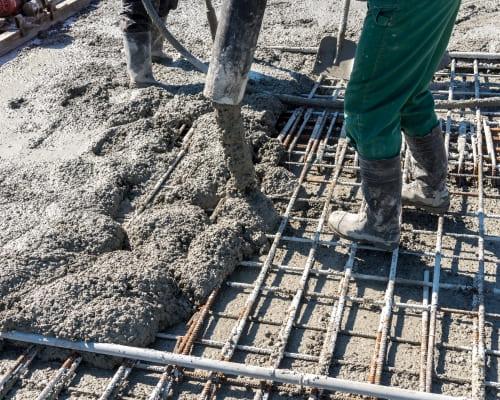
Honed concrete is a slab that has been ground back after curing with diamond tooling, cutting through the cement paste on top to expose the stone inside the mix and leave a smooth, matte or satin surface. It sits between a washed exposed aggregate finish and a glossy polished floor, which is why it suits outdoor living: pool surrounds, alfresco areas, patios, courtyards, paths and driveways. Honed concrete in Cranbourne is built on the same base as any good slab, with the ground compacted for the sand belt, reactive clay or estate fill below, then honed to the chosen depth and sealed with an anti-slip sealer so it keeps its grip when wet. Peak Concreting Cranbourne pours, hones and seals across the City of Casey and Cardinia Shire, priced per square metre after a site visit. Call 0485 032 128 for a free on-site quote on honed concrete.
Stamped Concrete
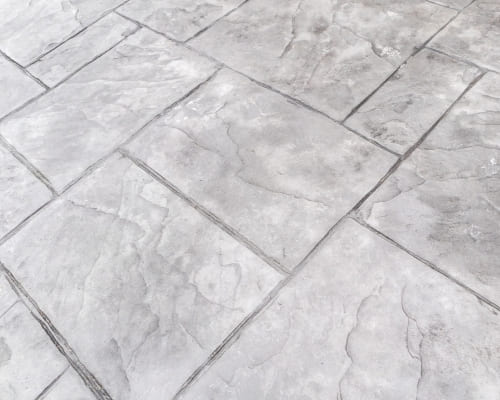
Stamped concrete is fresh concrete pressed with a patterned mat while it is still workable, so the finished slab carries the texture and joint lines of slate, cobblestone, brick, ashlar stone or timber boards. Colour is added with a dry-shake colour hardener and a contrasting release agent, which gives the pattern its depth and two-tone look. Stamped concrete in Cranbourne is used on driveways, alfresco areas, courtyards, paths and pool surrounds, where owners want the look of pavers or stone without loose units that sink, shift or grow weeds. Every slab is built on a base compacted for the ground below, whether that is the Cranbourne sand belt, reactive clay or engineered fill on a new estate, then cut with control joints and sealed. Peak Concreting Cranbourne pours, colours, stamps and seals across the City of Casey and Cardinia Shire, priced per square metre after a site visit. Call 0485 032 128 for a free on-site quote on stamped concrete.
concreting In Devon Meadows
FREQUENTLY ASKED QUESTIONS
Everything you need to know about our concreting In Devon Meadows
Do concreters in Devon Meadows work on acreage as well as house blocks?
Yes. Most concrete work in Devon Meadows is on lifestyle blocks and hobby farms, so long driveways, shed and machinery slabs, stable floors and turning areas make up much of it. Smaller jobs such as paths, patios, alfresco slabs and driveway repairs are covered too, including in neighbouring Junction Village. The free site visit works out what each property needs and in what order.
How thick should a rural driveway in Devon Meadows be?
It depends on the heaviest vehicle that will use it. A driveway for cars is usually around 100 millimetres thick on steel mesh. Sections that carry a horse float, a loaded truck or farm machinery are normally thickened to around 125 millimetres or more, with heavier reinforcement and a deeper compacted base. The quote states the thickness and reinforcement for each part of the driveway.
Is the ground in Devon Meadows sandy or clay?
Devon Meadows is former market-garden and nursery country on flat ground near Western Port, which points to lighter, sandy soils, but soil can vary between blocks and is checked on each site. Sandy ground moves less than reactive clay, yet it needs thorough compaction and a crushed rock base. Drainage is usually the bigger concern on flat land, so every slab is built with a deliberate fall.
Is a council permit needed for a new crossover in Devon Meadows?
Usually, yes. A crossover sits on the road reserve, so on local roads the City of Casey must approve it and it has to be built to the council's standard. On the South Gippsland Highway the state road authority deals with the access instead. Where a rural road has a table drain, a pipe may be needed under the crossover so water keeps flowing along the drain.
Can an old Devon Meadows driveway be resurfaced instead of replaced?
Often it can, if the slab is still structurally sound. Resurfacing bonds a thin polymer-modified cement overlay to the existing concrete, which renews the colour and texture without breaking it out. Driveways that have sunk, broken up or been undermined by water need repair or replacement instead. Peak Concreting checks the slab on site and explains which option suits it before any work is quoted.
What does concrete cost on a Devon Meadows property?
There is no single price, because rural jobs vary so much in size and load. The main factors are the area or length, the thickness and reinforcement, the amount of base preparation, the finish and how far the concrete has to travel from the road. Plain concrete costs the least, broom and coloured finishes sit in the middle, and exposed aggregate usually costs the most. Peak Concreting provides an itemised written quote after a free site visit.
TESTIMONIALS
What Devon Meadows Homeowners Say About Us
Request A Free Quote
GET A FREE QUOTE
BUSINESS
SERVICES
OPERATING HOURS
Sun: 7:00am - 9:00pm
Mon: 7:00am - 9:00pm
Tue: 7:00am - 9:00pm
Wed: 7:00am - 9:00pm
Thu: 7:00am - 9:00pm
Fri: 7:00am - 9:00pm
Sat: 7:00am - 9:00pm