Concrete Tooradin and Tooradin North, Built for Low Coastal Ground
Tooradin is a bayside village in postcode 3980 on the northern shore of Western Port, about 17 kilometres from Cranbourne along the South Gippsland Highway. The township sits around Sawtells Inlet, with established homes on streets such as Bayview Road and Swan Street, while the country north of the highway towards Tooradin Station Road is farms, horse properties and lifestyle blocks. Concrete work here ranges from driveways, paths and patios in town to long rural driveways, boat hardstands and machinery shed slabs. The land is low, on the edge of former swamp country and only a few metres above sea level, so base preparation, drainage and sealing against salt air are planned into every pour. Call 0485 032 128 for a free on-site quote.
GET A FREE QUOTE
OUR STORY
Concrete Tooradin: Driveways and Paths on Township and Rural Blocks
Concrete in Tooradin serves two kinds of property that share one postcode. In the township, homes sit on ordinary suburban blocks within walking distance of the inlet, and the work is driveways, side paths, patios and the odd carport slab. Out of town, and especially across the farmland north of the village in Tooradin North, a property can run to many acres, and the concrete has to carry stock floats, hay trucks and tractors as well as the family car. The village falls within the City of Casey, with part of the surrounding land in Cardinia Shire, so the council that issues a crossover permit depends on the address. Whatever the block, the common thread is the ground: Tooradin sits only about three metres above sea level, and every job here is planned around keeping water out of the base.
Driveways, paths and patios on township blocks
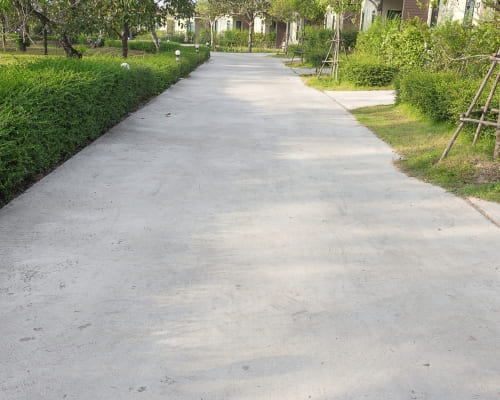
Township blocks in Tooradin are a mix of older brick and weatherboard homes and newer houses on higher land released north-west of the old village. A typical job replaces a cracked strip driveway with a full-width slab, adds a path down the side of the house to the clothesline or the shed, and lays a patio or alfresco slab off the back living area. Because the ground is flat, falls are not provided by the land itself; they are built into the formwork so rain runs to the street, a garden bed or a grated drain rather than towards the house. Paths are kept below the weep holes and the damp course, and patios are set a step down from the back door. Where a boat or caravan lives beside the house, the side driveway is widened and thickened to take the trailer, which is a common request in a village built around fishing and boating. Detail on layouts and finishes is on the concrete driveways page.
Rural driveways, turning areas and crossovers
On farms and lifestyle blocks the driveway is a road in its own right. It may run several hundred metres from the gate to the house, then on to sheds, yards and a turning circle big enough for a truck. Concreting the full length is a large outlay, so many owners concrete the sections that take the most punishment: the entry and crossover, the stretch past the house, and the apron where vehicles brake and turn. The rest stays in compacted crushed rock until a later stage. Those concrete sections are thickened and given heavier mesh wherever loaded vehicles travel, and control joints are cut at even spacing so movement shows up as straight lines rather than random cracks. The crossover from the road edge to the boundary is built to the council standard drawing under a road authority permit, which matters on a busy route such as the South Gippsland Highway as much as on a quiet rural road.
SERVICES WE OFFER IN Tooradin
Exposed Aggregate Tooradin and Tooradin North Driveways
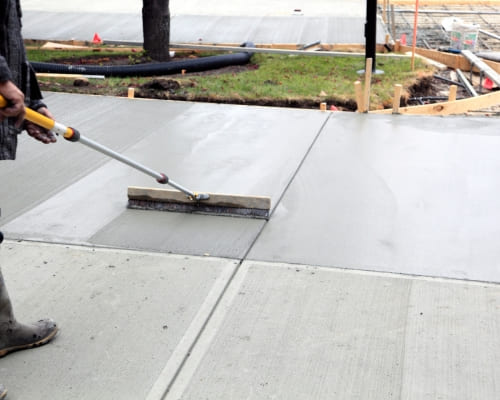
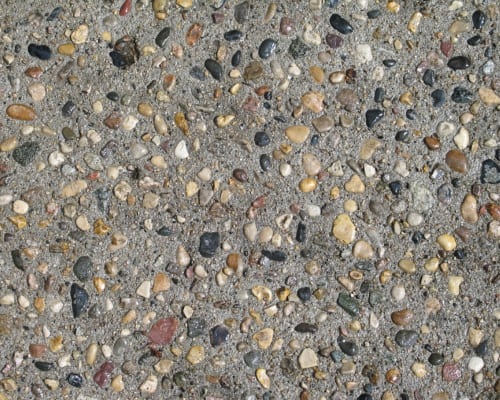
Exposed aggregate is the finish Tooradin owners choose most often when they want a driveway or entertaining area that looks better than plain grey concrete without the upkeep of pavers. Once the concrete has been placed and floated, the top layer of cement paste is washed away to reveal the stones in the mix. The textured surface gives good grip on wet mornings, hides sand, mud and tyre marks, and suits both a short township driveway and a long run through a paddock in Tooradin North. It costs more than a broom finish because of the selected stone and the extra labour in the wash-off, and less than most patterned or stencilled work. The finish is explained step by step on the exposed aggregate concrete page.
On the farms and lifestyle blocks of Tooradin North the finish is often used in a split way. The front section of a long driveway, the turning circle at the house and the paths to the back door are exposed aggregate, while the run out to the machinery shed stays as plain broom-finished concrete or crushed rock. That keeps the presentable part of the property attractive without paying a decorative premium on hundreds of metres of working track. Where trucks and tractors do use an exposed aggregate section, a harder, coarser stone and a thicker slab are specified, because loaded wheels turning on the surface wear a fine blend faster. Mud carried in from wet paddocks is the other rural factor: a well-sealed exposed surface lets it be hosed off rather than ground into the paste.
Stone sizes and colours for bayside homes
Stone blends range from pale quartz and river pebble mixes to dark basalt and charcoal tones. Near the water, many owners pick sandy, cream and light grey blends that echo the shoreline and stay cooler underfoot in summer, while darker blends suit rendered or brick homes and hide dirt on working rural driveways. Stone size changes the feel as well as the look: a fine blend gives a tighter, smoother surface for patios and pool surrounds, and a coarser blend gives a rugged, high-grip finish for long driveways and sheds where machinery turns. The safest way to choose is to look at a finished sample beside the house in daylight. Where new work meets an existing exposed aggregate area, the nearest available blend is used and the join is placed on a control joint so any small colour difference reads as a deliberate line.
Sealing exposed aggregate against salt air
A sealer matters more on an exposed surface than on a smooth one, because the stones and the paste between them are open to the weather. In a village on the edge of Western Port, wind carries salt-laden moisture inland, and over time that moisture can work into unsealed concrete, dull the stones and leave white efflorescence on the surface. A penetrating or film-forming sealer applied once the slab has cured reduces water uptake, deepens the colour of the stone and makes fish scales, bait, oil and mud easier to hose off. On a driveway used by boat trailers coming back from the ramp, a resealing cycle of every few years keeps the surface protected. Sealer types and maintenance are compared on the concrete sealing page.
Why choose us in Tooradin
Concrete Resurfacing Tooradin and Tooradin North Driveways
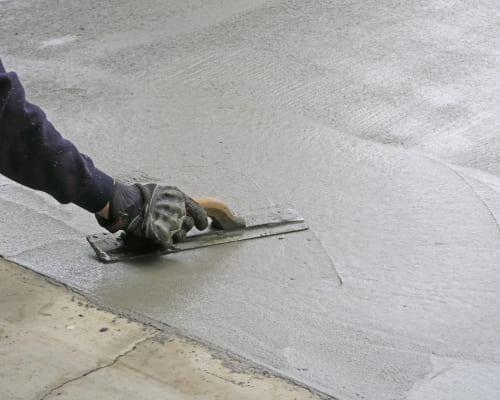
Plenty of Tooradin driveways and patios were poured long ago and are structurally fine but look tired: grey and patchy, marked by oil and rust, with fine surface crazing and worn edges. Breaking out and replacing a sound slab creates a large amount of waste and cost for what is really a surface problem. Concrete resurfacing bonds a thin polymer-modified cement overlay to the existing concrete, so the colour, texture and grip are renewed while the original slab stays in place. On a rural property in Tooradin North the same approach can renew the house end of a long driveway without touching the paddock sections. The process, from preparation to the final seal, is set out on the concrete resurfacing page.
Rural concrete in Tooradin North raises different resurfacing questions. Older farm driveways, crossovers and the aprons in front of sheds are often thinner than modern slabs and have carried decades of trucks, so the first check is whether the concrete is still sound enough to bond to. A crossover or apron that is stained, rough and worn but still level can take a spray-applied texture that restores grip for wet boots and tyres. A homestead driveway that leads to the house can be given a stencilled or coloured finish over its front section, while the farm side is cleaned and sealed only. Areas that hold water, or that flex under heavy wheels, are better replaced than coated, because an overlay cannot add strength to a slab that is moving.
When an old slab is sound enough to overlay
An overlay only lasts as long as the slab beneath it. A good candidate is level, does not rock or sound hollow when tapped, and has only hairline cracks and surface wear. Slabs that have dropped at a corner, lifted at a joint or broken into loose pieces are moving on their base, and any overlay will crack again in the same place. On low ground that has been wet for long periods, an inspection also looks for soft spots near downpipes, tanks and garden beds, where water has softened the base. Failed panels are cut out, the base under them is dug out and recompacted, and fresh concrete is poured to level before the whole area is resurfaced so the finish is uniform. If too much of the slab has failed, the honest answer is a new pour, and the quote will say so.
Spray, stencil or microtopping finishes
Three overlay systems cover most Tooradin requests. A spray-applied texture creates a fine, slip-resistant surface that suits driveways, areas around boat sheds and pool surrounds where bare feet and wet shoes are common. A stencilled finish lays a pattern such as tile, brick or stone over the slab and suits front driveways and entrances. A trowelled microtopping gives a smooth, modern look for patios and covered outdoor rooms. Each system begins with pressure cleaning and degreasing, crack repair and a primer or bonding coat, followed by the base and colour coats. The surface is then sealed, and in a coastal village that seal is renewed every few years to keep salt, sun and tyre wear from breaking down the colour coat.
SERVICES WE OFFER IN Tooradin
Low, Wet Ground and Salt Air Under Tooradin Concrete
Tooradin sits only a few metres above sea level, at the edge of what was once the Koo Wee Rup Swamp, and the foreshore is lined with mangroves backed by salt marsh and peaty clays. The town has a long history as low-lying, flood-prone ground, and the swamp country behind it was drained for farming from the nineteenth century. That history explains why concrete here is planned from the ground up. The soil changes between the sandier township, the clay paddocks and the soft ground near the inlet, so it is checked on each site rather than assumed, and the base, drainage and protection of the slab are designed to suit what is found.
High water table and soft former swamp ground
Where the water table sits close to the surface, the ground beneath a slab can stay damp for much of winter. Soft, organic or peaty soil compresses under load and loses strength when wet, so a slab laid straight onto it can settle unevenly and crack where support is lost. Clay areas behave differently: they swell when wet and shrink as they dry, which moves slabs at the edges. AS 2870, the Australian standard for residential slabs and footings, classifies sites from stable sand through to highly reactive clay and problem sites with soft or uncontrolled ground. A house built in recent years usually has a soil report that gives the class; for older homes and rural blocks, the ground is assessed when the old surface is removed, and larger or heavily loaded slabs on doubtful ground warrant engineering advice.
Raising the base and setting the falls
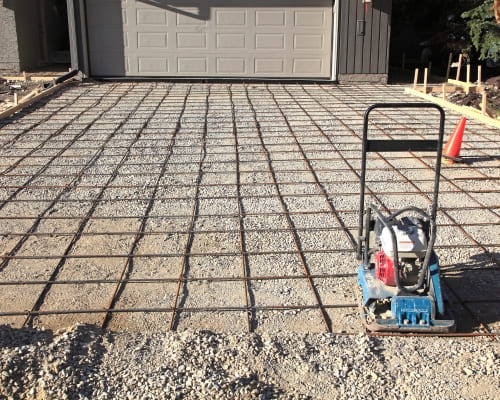
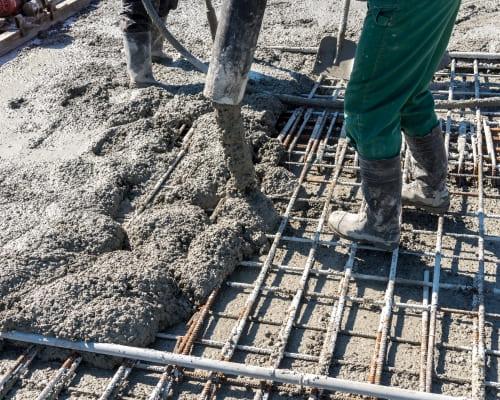
The answer to soft, wet ground is a stronger base and a slab that sheds water. Topsoil and any organic material are stripped out, the subgrade is compacted, and crushed rock is laid and compacted in layers to form a firm, even platform. On the lowest sites the finished slab is lifted slightly above the surrounding ground so it is not sitting in water after heavy rain, and a vapour barrier is used under slabs that will be enclosed. Falls are set across every surface, usually towards the street, a garden bed or a drain, and downpipes are piped away rather than left to discharge beside the concrete. Getting these steps right costs far less than repairing a sunken or cracked slab later.
Steel cover and curing in coastal weather
Steel mesh and bars only last if they stay well inside the concrete. Chairs hold the reinforcement at the right height so there is enough cover between the steel and the surface, which keeps salt-laden moisture away from the steel and prevents the rust stains and spalling sometimes seen on old coastal concrete. A sound mix with the right strength grade and a low water content helps too. Curing then protects the surface while it gains strength. Hot, windy summer days dry the top of a slab fast enough to cause shrinkage cracks, so pours start early and the surface is kept moist or covered with a curing compound. Cool, wet winters slow strength gain, so vehicles stay off a new slab for at least seven days and longer in cold weather.
Why choose us in Tooradin
Shed, Boat and Machinery Slabs in Tooradin
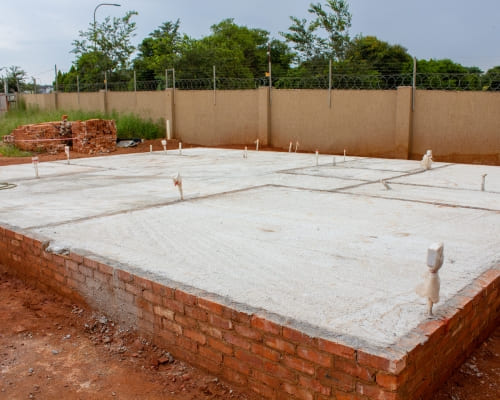
Sheds are a fixture on Tooradin's larger blocks, from boat sheds in town to machinery sheds, hay sheds and stables on the farms north of the highway. The slab under each one is designed around what it will carry. A boat shed takes a trailer and the weight of a hull on its wheels, a workshop takes a vehicle hoist and heavy benches, and a machinery shed takes tractors and trucks that turn on the apron. The shed supplier's plans set the size, post positions and footing depths, and the concrete is set out to match those plans exactly. More on design and footings is on the concrete slabs and footings page.
Hardstands for boats, trailers and caravans
With a three-lane concrete boat ramp at the bottom of Foreshore Road and the inlet a few minutes away, many Tooradin homes keep a boat, a caravan or a trailer on site. A hardstand gives that gear a firm, level, clean surface instead of a muddy patch of lawn or gravel that softens in winter. It is laid with a gentle fall so rain and wash-down water drain away, often has a broom finish for grip when the slab is wet, and is thick enough at the entry where the jockey wheel and the tow vehicle bear down. Positioning matters on a narrow block: the hardstand has to line up with the gate and leave room for a reversing tow vehicle, so the turning line is checked before the formwork goes in.
Slab thickness for trucks and farm machinery
Domestic slabs for a garden shed are commonly 100mm thick with SL72 or SL82 mesh. A slab that carries trucks, tractors, loaded floats or heavy machinery needs more: typically 125mm or thicker, with heavier reinforcement, thickened edges and a stronger concrete grade such as 32 MPa. On soft ground, the base under a heavy slab is deepened as well, because a thick slab on a weak base will still crack. The apron in front of the doors takes the most abuse, as wheels brake and turn on it, so it is often thickened further. Stable floors get a textured finish for hooves and a fall to a drain for washing down, and joints are cut to divide large slabs into manageable panels.
Repairing cracked shed floors and aprons
Older shed floors on Tooradin farms tend to show the same faults: an apron broken up by years of heavy wheels, a corner dropped where roof water ran onto the ground, and cracks across panels that were never jointed. Fine cracks can be routed and filled to keep water out. Broken or sunken panels are saw-cut out, the base is dug out and rebuilt with compacted crushed rock, and new concrete is poured and dowelled into the neighbouring slab so the two stay level. The cause is fixed at the same time, whether that is a missing gutter, an overflowing tank or a driveway that drains towards the shed. Repair options are covered on the concrete repairs page.
SERVICES WE OFFER IN Tooradin
Why Tooradin Owners Choose a Concreter Near You
Peak Concreting Cranbourne works from the Cranbourne area, a short run down the South Gippsland Highway, so a Tooradin site visit is easy to arrange and the crew knows how the bayside ground behaves after a wet winter. The same crew takes care of excavation, base preparation, formwork, steel, the pour, the finish and the seal, so one team answers for the levels and the drainage from the first peg to the last coat. The work covers new driveways, exposed aggregate, resurfacing, repairs and shed slabs, which means advice is based on the slab in front of the crew: if a tired driveway can be resurfaced, or only two panels need replacing, the quote says so.
A site visit before any price
No price is given over the phone for a job that has not been seen, because on ground like Tooradin's the base work can change the job. The visit measures the area, checks the soil and drainage, notes access for trucks and a concrete pump, and looks at any old concrete that has to come out. The written quote then sets out excavation depth, base material, slab thickness, reinforcement, joint layout, finish, sealer, waste removal and any permit needed for a crossover. Owners can compare it line by line with other quotes. Anything uncertain, such as possible soft ground under an old slab, is flagged in writing before work starts, not discovered on the day of the pour.
What moves the price on a Tooradin job
Plain broom-finished concrete is the most economical option, exposed aggregate and coloured concrete cost more, and stencilled or patterned work costs more again. Resurfacing a sound slab usually costs less than removing and replacing it. Beyond the finish, the biggest factors are area, slab thickness and the depth of base needed on soft or wet ground, which can be greater here than on higher, firmer sites. Access is next: a long rural driveway or a backyard reached only through a side gate may need a pump or extra labour. Removing old concrete and rubble adds to the cost, and so do crossovers that need a permit. The written quote shows where each part of the money goes.
Why choose us in Tooradin
Tooradin Streets, Estates and Pockets Covered
Work is carried out across Tooradin and the surrounding district, from the village around the inlet to farms and lifestyle blocks well north of the highway. The neighbouring localities of Blind Bight, Warneet and Dalmore are a short drive away, and the same crew travels through Koo Wee Rup and Devon Meadows on other jobs, but within Tooradin itself the work falls into three clear pockets, each with its own type of concrete job.
The township, Bayview Road and Sawtells Inlet
The village grew around Sawtells Inlet, a tidal channel that winds through parkland north of the highway, where a row of fishing cottages once stood and the restored Fisherman's Cottage still does. Homes on streets such as Bayview Road sit on blocks of around a thousand square metres within a short walk of the water, while streets such as Swan Street carry smaller blocks with brick family homes. Concrete jobs in this pocket are driveway replacements, wider side driveways for boats and trailers, paths, patios and resurfacing of older slabs. Newer homes, including late-2000s builds on streets such as Walmac Close, often need a first exposed aggregate driveway or a larger alfresco slab once the garden is done.
Tooradin North and Tooradin Station Road
North of the township, Tooradin Station Road runs inland through flat farmland towards the old railway station precinct off Langtree Road, about four kilometres from the village, and on towards Dalmore and Cardinia. This is Tooradin North: larger blocks, working farms, and factory units along the road itself. Concrete jobs in Tooradin North are long driveways and road crossovers, machinery and hay shed slabs, hardstands for trucks and equipment, and repairs to older farm concrete. The ground is flat and drains slowly, so base depth and falls are agreed on site before a price is set, and access for concrete trucks across paddocks is planned in dry weather where possible.
Acreage roads: Landale Road, Muddy Gates Lane and Hardys Road
Lifestyle and farming properties also sit along roads such as Landale Road, Muddy Gates Lane, Hardys Road and Harewood Mains Road, with blocks ranging from about ten acres to well over thirty. Some carry two homes, horse paddocks and several large sheds, and Lynes Road is home to the historic Harewood and Tooradin Estate homesteads. Jobs on these roads are often staged: a driveway apron and house paths first, then a shed slab, then stables or a wash bay. Each stage is set out to fit the next, so levels, falls and joint lines line up as the property grows, and heavy vehicles have a firm route to every shed.
concreting Services we offer In Tooradin
Concrete Driveways
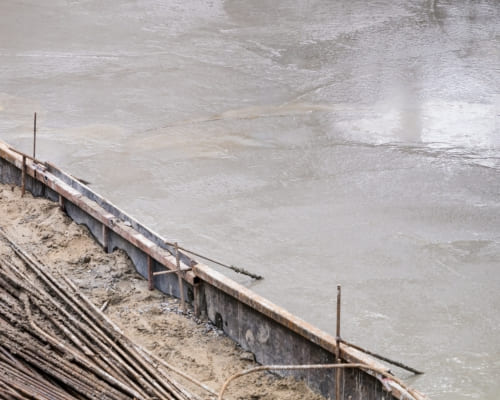
A concrete driveway is usually the largest single area of concrete on a property, and around Cranbourne it has to sit on some of the most varied ground in Melbourne: loose sand on the Cranbourne sand belt, reactive clay and engineered fill across the newer estates, and soft, wet ground toward Koo Wee Rup. Whether a driveway stays flat and crack-free for decades depends far more on what goes under it than on the finish on top. Peak Concreting Cranbourne builds new and replacement concrete driveways, second driveways, extensions, long rural driveways and vehicle crossovers across the City of Casey and Cardinia Shire, with a compacted crushed rock base, steel mesh, properly placed control joints and falls that send water away from the house and garage. Every quote starts with a look at the site, the levels and the drainage, and comes back in writing with the specification spelled out. Call 0485 032 128 for a free on-site measure and a written driveway quote.
Concrete Slabs & Footings
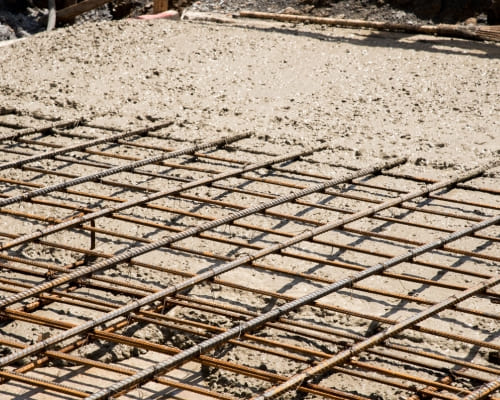
A concrete slab is the base that a home, extension, granny flat, garage, shed or alfresco area sits on, and the footings beneath it carry that load into the ground. Around Cranbourne the ground changes from block to block: loose sand on the Cranbourne sand belt, reactive clay and engineered fill across the newer estates in Clyde, Clyde North and Officer, and soft, peaty ground toward Koo Wee Rup. Concrete slabs and footings for houses and extensions are built to the engineer's AS 2870 design for the site class, with the base compacted, the vapour barrier lapped and taped, the steel chaired at the right cover and the edge beams dug to the drawings before any concrete is ordered. Shed, garage and alfresco slabs follow the same discipline at a smaller scale. Peak Concreting Cranbourne pours slabs and footings across the City of Casey and Cardinia Shire, priced per square metre from the plans. Call 0485 032 128 for a free site visit and a written concrete slab quote.
Exposed Aggregate Concrete
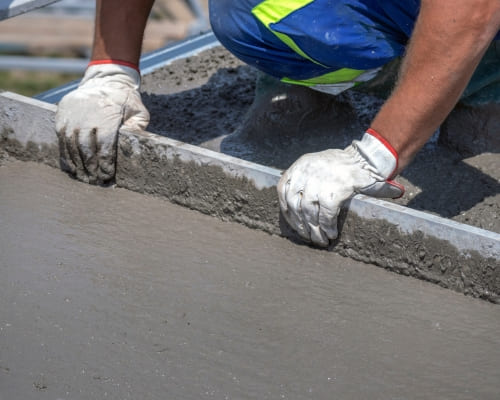
Exposed aggregate is the washed stone finish seen on driveways, paths and alfresco areas right across the new estates and older streets of Cranbourne. Instead of a smooth grey surface, the top layer of cement paste is washed away so the natural stone in the concrete shows through, giving a textured, slip-resistant surface that hides dust, tyre marks and minor wear far better than plain concrete. Peak Concreting Cranbourne pours exposed aggregate driveways, crossovers, paths, side access, entertaining areas and pool surrounds across the City of Casey and Cardinia Shire, on a compacted base with steel mesh and properly placed joints, and finishes every job with a sealer suited to hot, dry summers and cool, wet winters. Stone colour and size are chosen from samples before the pour, and every quote comes back in writing with the mix, the stone and the sealer named. Call 0485 032 128 for a free on-site measure and a written exposed aggregate quote.
Concrete Paths & Footpaths
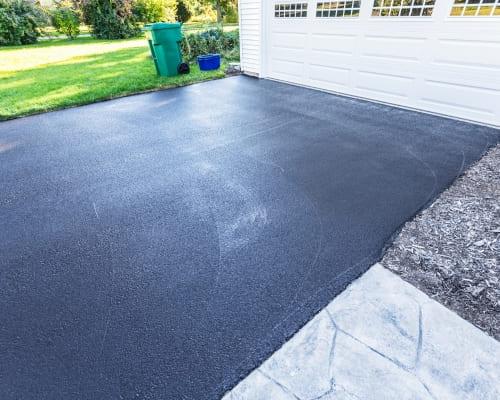
A concrete path gives safe, mud-free access around a property: down the side of the house, through the garden, out to the shed and clothesline, and from the driveway to the front door. Around Cranbourne the work splits between new paths on the growth estates, where the ground is often reactive clay or engineered fill, and replacement paths at older homes where the original path has cracked, sunk or lifted. A path that lasts depends on what sits under it: a dug-out and compacted base, the right thickness and steel, a fall that carries water away from the house, and joints that control where it cracks. Peak Concreting Cranbourne lays garden paths, side paths, entry paths and footpaths across the City of Casey and Cardinia Shire, and the written quote sets out the width, thickness and finish. Call 0485 032 128 for a free on-site quote on concrete paths.
Concrete Kerbs & Edging
Concrete kerbing gives a garden, driveway or car park a firm, permanent edge that holds its line for decades. In Cranbourne it is most often laid as continuous garden edging and flush mowing strips around lawns and beds, as edge kerbs along driveways and paths, and as barrier, semi-mountable and layback kerbs on car parks, commercial sites and private roads. Peak Concreting Cranbourne sets out every run on site, prepares and compacts the base to suit the ground, whether that is the Cranbourne sand belt, reactive clay or estate fill, and then slip-forms the kerb in one continuous line or hand-forms it where curves are tight. Joints are cut so any cracking stays straight and hidden, and the back of the kerb is haunched or backfilled so it cannot roll or creep. Work covers homes, townhouse developments and commercial sites across the City of Casey and Cardinia Shire, priced per lineal metre. Call 0485 032 128 for a free on-site measure and a written concrete kerbing quote.
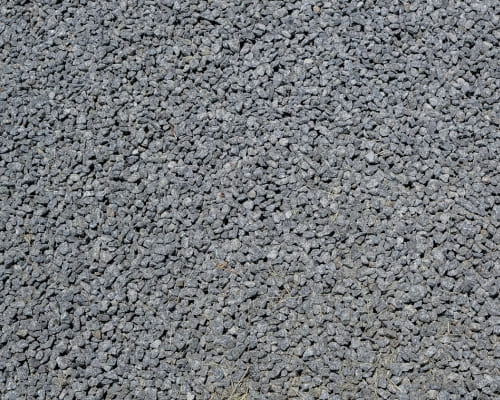
Concrete Repairs
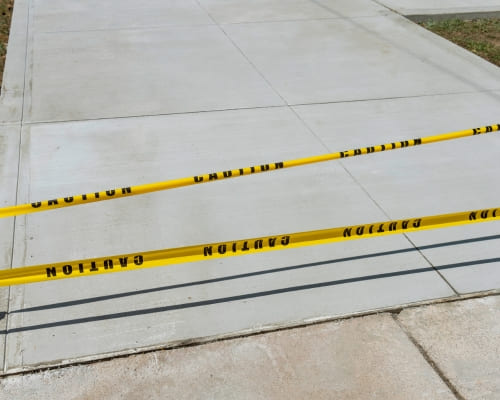
Concrete repairs fix cracked, spalling, sunken and lifted concrete before it turns into a trip hazard or a full replacement. Around Cranbourne the damage usually traces back to the ground under the slab: loose sand on the Cranbourne sand belt that was never properly compacted, reactive clay and engineered fill in the newer estates that swell and shrink with the seasons, or water and tree roots working underneath. A lasting repair starts by finding that cause. Peak Concreting Cranbourne repairs driveways, garage and shed slabs, paths, patios and crossovers, from crack repair and joint sealing to trip-hazard grinding, patching spalled surfaces and breaking out failed sections for replacement. Every job begins with an on-site assessment and a straight answer on whether the concrete is worth repairing or is due for replacement. Call 0485 032 128 for a free on-site assessment and a written quote.
Concrete Retaining Walls
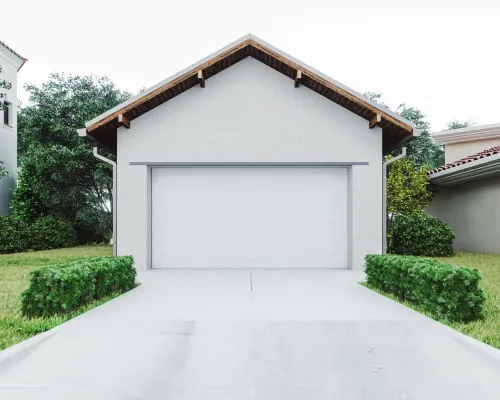
Concrete retaining walls turn sloping and stepped blocks into level, usable ground, hold back garden beds and terraces, and keep soil off driveways, paths and fences. Around Cranbourne the common systems are concrete sleepers between galvanised steel posts, precast panels, core-filled block and poured reinforced walls, each built on proper footings with ag pipe, drainage gravel and compacted backfill behind it. The ground varies from the sandy Cranbourne sand belt to reactive clay and engineered fill in the newer estates, and the footing and drainage are set to suit. Peak Concreting Cranbourne checks the levels, the soil and whether a building permit or engineering is likely before quoting, and the written quote lists the wall system, footings, drainage and soil removal. Call 0485 032 128 for a free on-site assessment and a written quote.
Polished Concrete
Polished concrete floors are hard-wearing, easy to clean and suit the open-plan homes being built right across Cranbourne and the growth estates around it. The surface of the slab is ground back with diamond tooling, hardened with a densifier, then sealed and burnished to a matt, satin or high gloss sheen, so the floor itself becomes the finished surface rather than something to cover with tiles or timber. Peak Concreting Cranbourne polishes new house slabs, existing floors in renovations, garages, workshops, shops and offices across the City of Casey and Cardinia Shire, offering both mechanically polished concrete and a lower-cost grind and seal. Each floor is checked for cracks, moisture and stone depth before quoting, finish samples are agreed in advance, and the quote comes back in writing with the exposure level, sheen and sealer named. Call 0485 032 128 for a free on-site measure and a written polished concrete quote.
Concrete Sealing
Concrete sealing puts a protective treatment into or onto a slab so it resists water, oil, stains and weathering, and so a decorative finish keeps its colour. Around Cranbourne the work splits two ways: first seals on new driveways, paths and alfresco slabs across the growth estates, and resealing on older exposed aggregate, coloured and plain driveways whose original coat has worn away. The right product depends on the surface. A penetrating silane or siloxane sealer soaks in and leaves no film, a topical acrylic or polyurethane sealer sits on top and deepens the colour, and a tinted sealer brings back faded concrete. Peak Concreting Cranbourne cleans, prepares and seals concrete across the City of Casey and Cardinia Shire, and the written quote names the sealer, the number of coats and any stripping needed. Call 0485 032 128 for a free on-site quote on concrete sealing.
Concrete Resurfacing
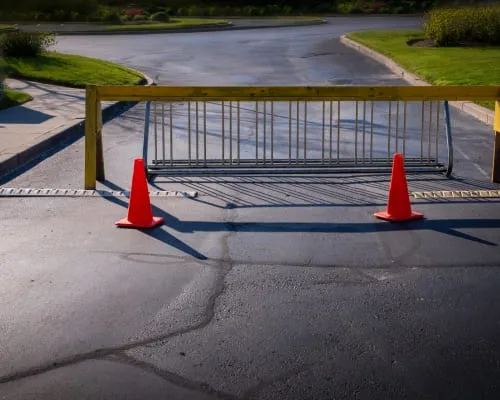
Concrete resurfacing gives a sound but tired slab a new wearing surface without breaking it out. A polymer-modified cementitious overlay is bonded to the existing concrete, finished as a spray-on texture, a stencilled pattern or a smooth microtopping, and then sealed. Around Cranbourne most of this work is on driveways, paths and patios poured twenty or more years ago, where the slab is still level but the top has weathered, stained or worn through. Peak Concreting Cranbourne checks the slab before quoting, because an overlay only lasts as long as the concrete beneath it: a slab that has heaved, sunk or keeps cracking is quoted for repair or replacement instead. Where resurfacing is the right call, it is quicker, quieter and usually cheaper than a full repour, and the surface is back in use within days. Call 0485 032 128 for a free on-site assessment and a written quote.
Coloured Concrete
Coloured concrete gives a driveway, path or alfresco area a finished look that ties in with the roof, render and brickwork of the house, instead of the flat grey of a standard pour. The colour comes from mineral oxide pigments, either mixed right through the concrete at the batching plant or broadcast onto the fresh surface as a dry-shake colour hardener, so it is part of the slab rather than a coat of paint sitting on top. Peak Concreting Cranbourne pours coloured concrete for new homes in the growth estates, replacement driveways in established streets and rural-residential properties across the City of Casey and Cardinia Shire. Colours are chosen from a supplier chart and confirmed in writing before the concrete is ordered, the base is prepared to suit sand, reactive clay or estate fill, and the finished surface is sealed to protect the colour. Call 0485 032 128 for a free on-site measure and a written coloured concrete quote.
Honed Concrete
Honed concrete is a slab that has been ground back after curing with diamond tooling, cutting through the cement paste on top to expose the stone inside the mix and leave a smooth, matte or satin surface. It sits between a washed exposed aggregate finish and a glossy polished floor, which is why it suits outdoor living: pool surrounds, alfresco areas, patios, courtyards, paths and driveways. Honed concrete in Cranbourne is built on the same base as any good slab, with the ground compacted for the sand belt, reactive clay or estate fill below, then honed to the chosen depth and sealed with an anti-slip sealer so it keeps its grip when wet. Peak Concreting Cranbourne pours, hones and seals across the City of Casey and Cardinia Shire, priced per square metre after a site visit. Call 0485 032 128 for a free on-site quote on honed concrete.
Stamped Concrete
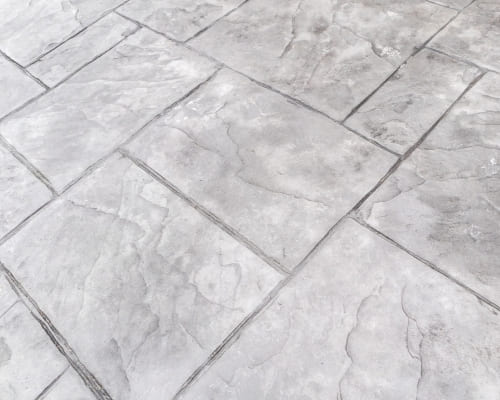
Stamped concrete is fresh concrete pressed with a patterned mat while it is still workable, so the finished slab carries the texture and joint lines of slate, cobblestone, brick, ashlar stone or timber boards. Colour is added with a dry-shake colour hardener and a contrasting release agent, which gives the pattern its depth and two-tone look. Stamped concrete in Cranbourne is used on driveways, alfresco areas, courtyards, paths and pool surrounds, where owners want the look of pavers or stone without loose units that sink, shift or grow weeds. Every slab is built on a base compacted for the ground below, whether that is the Cranbourne sand belt, reactive clay or engineered fill on a new estate, then cut with control joints and sealed. Peak Concreting Cranbourne pours, colours, stamps and seals across the City of Casey and Cardinia Shire, priced per square metre after a site visit. Call 0485 032 128 for a free on-site quote on stamped concrete.
concreting In Tooradin
FREQUENTLY ASKED QUESTIONS
Everything you need to know about our concreting In Tooradin
How much does a concrete driveway cost in Tooradin?
The price depends on the size of the driveway, the slab thickness needed for the vehicles that use it, how much base work the ground needs and the finish. On low, wet ground the base can be deeper than on higher sites, which adds to the cost. Plain broom finish is the cheapest option, exposed aggregate costs more and patterned finishes cost more again. A free site visit produces an itemised written quote.
Is the ground in Tooradin suitable for a concrete slab?
Yes, as long as the base is prepared for it. Tooradin is low-lying, with a high water table in places and soft or peaty ground near the foreshore, so the soil is checked on every site. Soft material is removed, crushed rock is compacted in layers, and falls are set so water drains away. Heavier slabs on doubtful ground may need engineering advice under AS 2870.
Does concrete need sealing in a coastal town like Tooradin?
Sealing is strongly recommended. Salt-laden air from Western Port, wet winters and strong summer sun all work on unsealed concrete, dulling the colour and allowing moisture and stains to soak in. A quality sealer reduces water uptake and makes the surface easier to clean. Exposed aggregate and resurfaced driveways benefit most, and the sealer is usually renewed every few years.
Can a hardstand be built for a boat or caravan in Tooradin?
Yes. A boat or caravan hardstand is a common job in Tooradin, given the boat ramp and the inlet close by. It is built on a compacted crushed rock base, laid with a fall so water drains off, and thickened where the tow vehicle and jockey wheel bear down. The position is set to line up with the gate and leave room to reverse a trailer.
Does Peak Concreting work in Tooradin North?
Yes. Peak Concreting Cranbourne works across the farmland north of the township, along Tooradin Station Road and the rural roads around it, as well as in the village itself. Typical jobs there are long driveways and crossovers, machinery and hay shed slabs, truck hardstands and repairs to older farm concrete. Every job starts with a free site visit to check the ground and access.
Can an old driveway in Tooradin be resurfaced instead of replaced?
Often it can. If the slab is level and solid but stained, faded or worn, a resurfacing overlay renews the colour and texture without breaking it out. Panels that have sunk, lifted or broken up are replaced first, and the whole area is then resurfaced so it looks consistent. The finished surface is sealed, which matters near the coast.
TESTIMONIALS
What Tooradin Homeowners Say About Us
Request A Free Quote
GET A FREE QUOTE
BUSINESS
SERVICES
OPERATING HOURS
Sun: 7:00am - 9:00pm
Mon: 7:00am - 9:00pm
Tue: 7:00am - 9:00pm
Wed: 7:00am - 9:00pm
Thu: 7:00am - 9:00pm
Fri: 7:00am - 9:00pm
Sat: 7:00am - 9:00pm